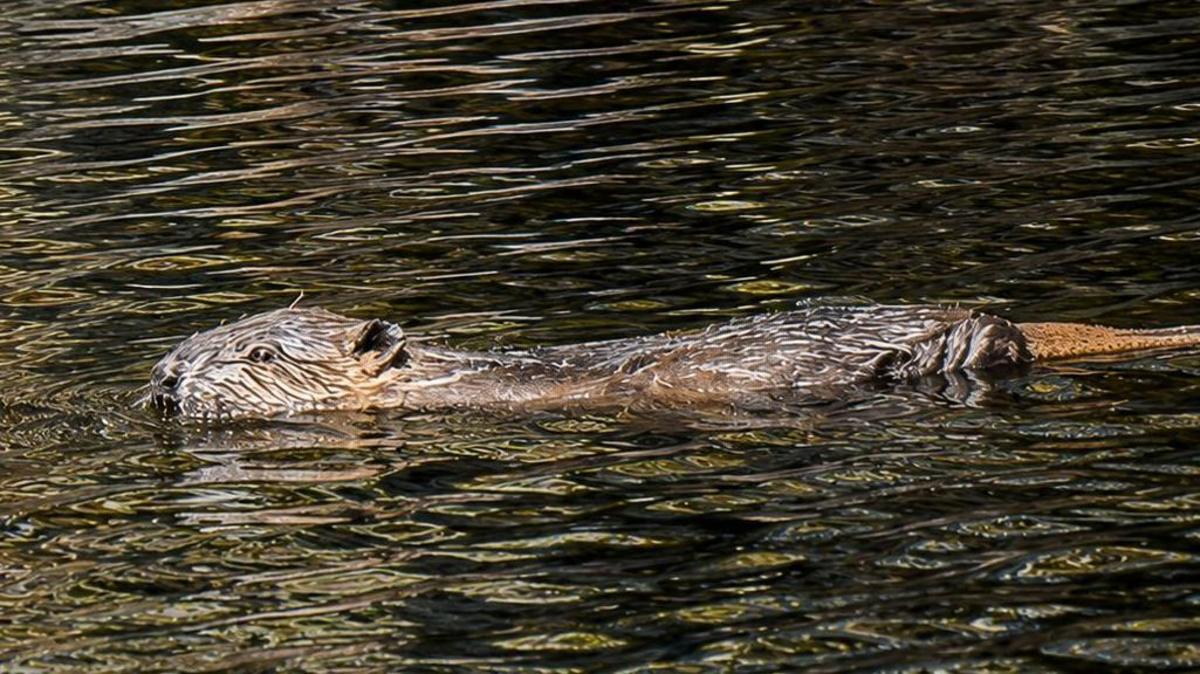
Ealing Beavers Stop Greenford Station Flooding for Third Year — SkimNews
SkimNews Take
Three winters of prevented flooding at a single station reframes beavers as living infrastructure, hinting that ecological engineering can quietly substitute for costly built defenses wherever it takes hold.
Get the Energy newsletter
Daily energy & climate — solar, EVs, oil, the policy fights and tech bets shaping the transition. Free.
- Ealing's beavers have stopped Greenford station from flooding for three winters running since their reintroduction, according to the Ealing Beaver Project.
- Sean McCormack, a vet with the Ealing Beaver Project, said the beavers' series of dams has stretched the river's flow-through time from minutes to hours during heavy rainfall.
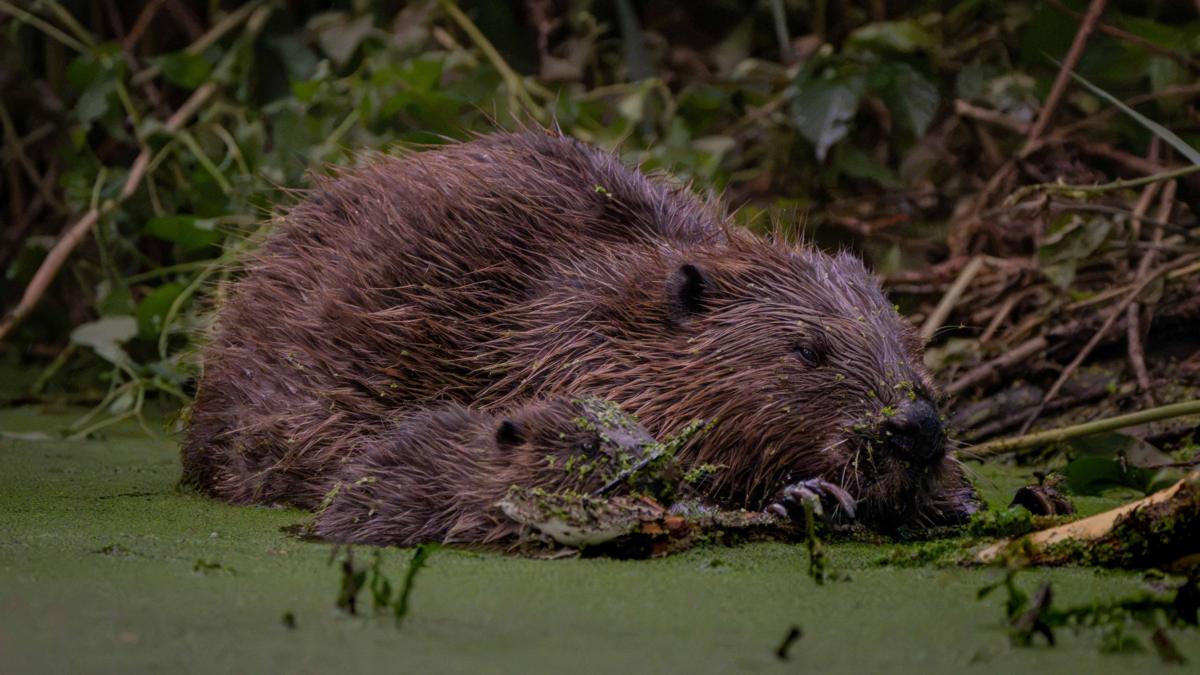
- The colony of around eight beavers welcomed at least two new kits last week, with Paradise Fields residents gathering after dark to film the mother and her young.
- Beavers slow and sink water flow into the ground during downpours and create complex wetlands that hold water longer, easing pressure on downstream drainage systems.
- Ecologist Nadya Mirochnitchenko reported an "explosion" in invertebrates, more visiting birds, and at least two new bat species recorded at the brook since the beavers arrived.
- Beavers were hunted to extinction in Britain centuries ago for their fur, meat, and scent glands; their return to Ealing in 2023 has begun reshaping the local landscape.
Why it matters: The Ealing colony offers a live proof-of-concept for rewilding as flood infrastructure: three flood-free winters at a working railway station, achieved without engineered drainage upgrades. With a thriving colony and rising biodiversity, the project gives UK councils considering similar reintroduction schemes a concrete case study of low-cost natural flood management.
Ask SkimNews