Inside Codex: OpenAI Engineer on Rust, Open Source — SkimNews
Get the Tech newsletter
Daily tech — startups, AI labs, chips, the launches that shape the next decade. Free.
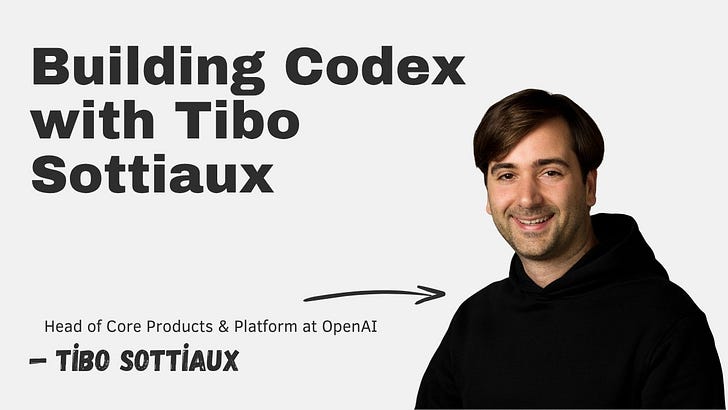
- Tibo Sottiaux, one of the engineers who created Codex, now heads OpenAI's Core Products & Platform org, and the Codex CLI is written in Rust and released as open source — a deliberate contrast to closed-source competitor Claude Code.
- Codex was built in Rust despite AI models being much stronger at Python and TypeScript at the time, because the team envisioned running Codex on millions of cloud machines and prioritized performance, security, and scale upfront to avoid a rewrite later.
- Codex is open source and model-agnostic, supporting providers beyond OpenAI, while Claude Code is locked to Anthropic; Tibo says he believes in "winning by letting users use the best models" and credits openness with energizing community contributors.
- Google DeepMind had an internal "chat with an LLM" project around 2020 — about a year before ChatGPT's public launch — that spread internally but was never shipped; Tibo worked on it before joining OpenAI in 2023, surprised that ChatGPT was maintained by roughly 20 engineers.
- Inside OpenAI, Codex is plugged into Slack, every document, and all code by default, so new joiners are told "have you asked Codex?" to find who is working on what or why a decision was made.
- Maintenance and re-architecture costs are collapsing with agents: dependency upgrades that used to take long stretches now finish in a couple of hours, and re-architecting for new tradeoffs that previously took years can now take days, though Tibo caveats that quality test suites and abstractions heavily affect the outcome.
Why it matters: OpenAI's choice to ship Codex as open source and model-agnostic — directly contrasting Anthropic's closed, single-provider Claude Code — is positioned by Tibo as a way to win on model quality rather than lock-in, while attracting outside contributors. For engineering teams, the practical shift Tibo describes is that dependency upgrades and even multi-year re-architecture projects now compress into hours or days when a clean test suite is in place, changing what codebases teams can realistically tackle.
Ask SkimNews


