Neha Bora Emerges as Face of India's Gen Z Protest Movement — SkimNews
Get the Geopolitics newsletter
Daily geopolitics — wars, elections, sanctions, the diplomatic moves that move markets. Free.
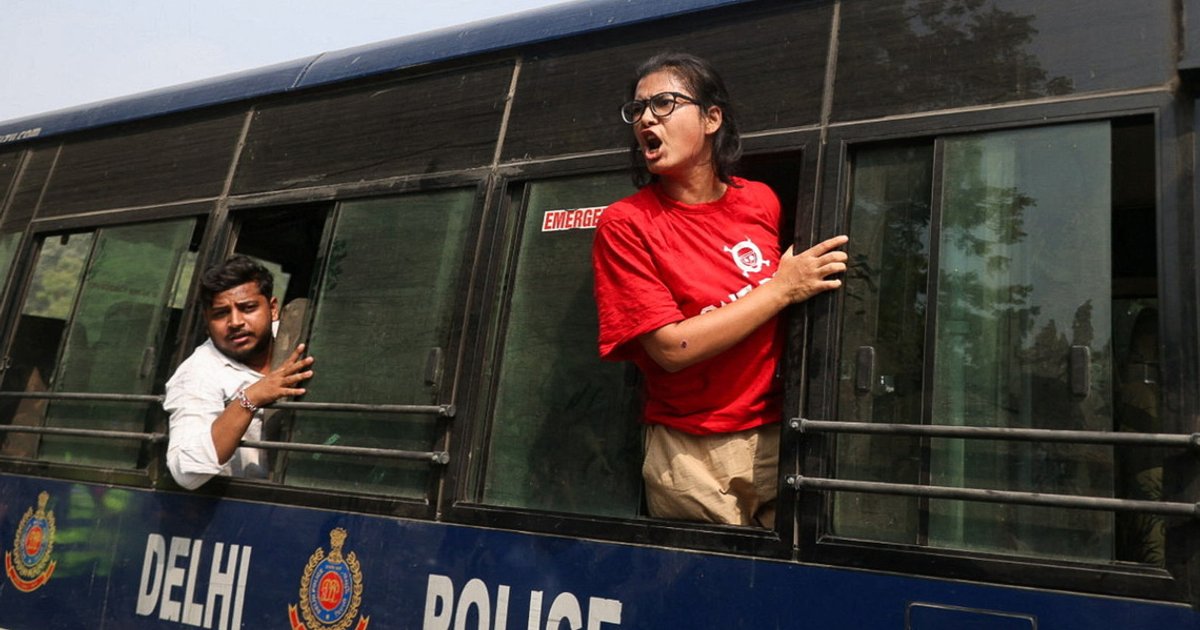
- Neha Bora, 29, a doctoral student at Jawaharlal Nehru University and national president of the left-wing All India Students' Association, was detained this weekend along with other prominent activists as authorities cracked down on demonstrations by the 'Cockroach' youth movement.
- The Cockroach Janta Party-led protests seek the ouster of Chief Election Commissioner Gyanesh Kumar, claiming irregularities led to the deletion of 130 million names from electoral rolls — more than the population of Japan.
- After police blocked demonstrators from reaching New Delhi's designated protest site at Jantar Mantar, Bora urged protesters on social media to regroup at Dilli Haat, 10 km away, and continued directing the demonstration via a video posted from detention.
- Bora traces her political path from joining a Delhi University theatre group — where she learned to inhabit lives different from her own — to the 2019-2020 student protests against a citizenship law critics say discriminates against Muslims.
- Bora gained wider attention during July protests over alleged exam paper leaks, when she joined activists demanding the education minister's resignation; speeches criticizing the government and police response circulated widely online.
- The Election Commission denies favouring any group, while Modi's Hindu nationalist party accuses opponents of trying to undermine Indian democracy by wrongly questioning legitimate electoral processes.
Why it matters: The movement is built around an extraordinary concrete claim — 130 million names erased from voter rolls, a figure exceeding Japan's entire population — turning alleged bureaucratic malfeasance into a direct constitutional challenge to Modi's hold on power. A student leader who rehearsed for protest life in a university theatre troupe is now sustaining mobilization from a police detention cell, showing that years of accumulated grievances over exams, unemployment, and policing have produced a new activist infrastructure capable of recurring street action.
Ask SkimNews