Gillespie moth adaptation show opens at Kestle Barton — SkimNews
Get the Energy newsletter
Daily energy & climate — solar, EVs, oil, the policy fights and tech bets shaping the transition. Free.
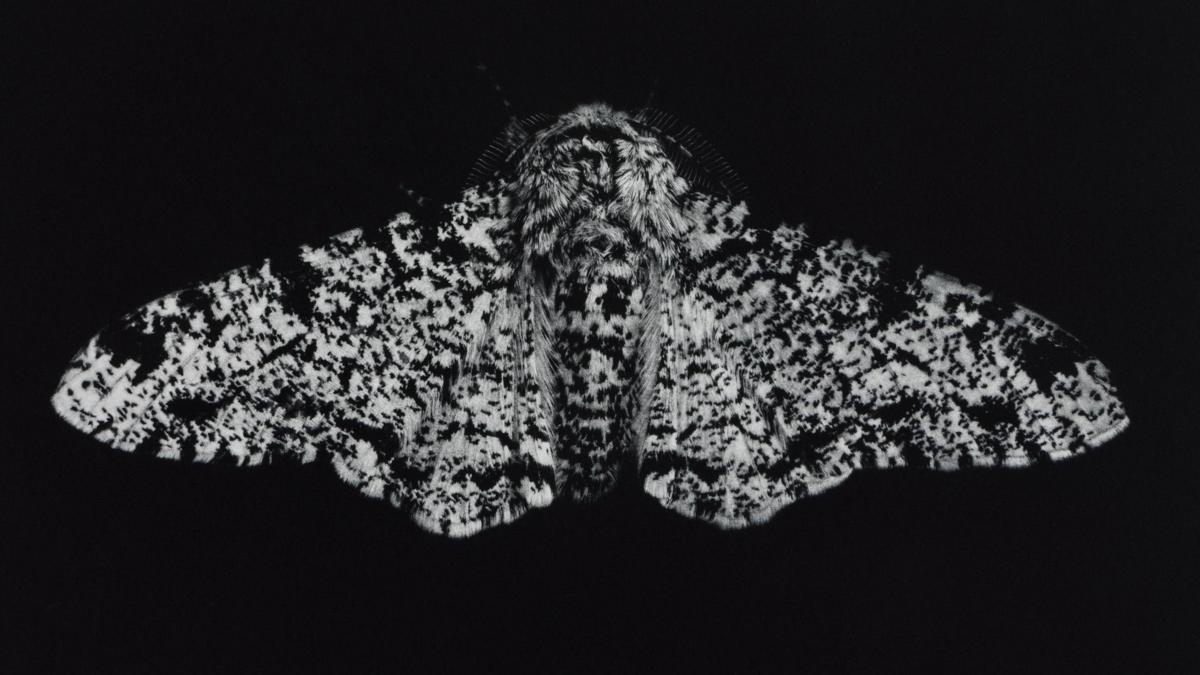
- Kestle Barton gallery in Cornwall has opened an exhibition of mezzotint prints by artist Sarah Gillespie examining how moths have adapted to environmental changes caused by humans.
- The exhibition is scheduled to run from 20 June to 6 September, according to organisers.
- Gillespie said the show reflected more than her long-standing fascination with moth wing patterns, growing from her awareness that "what is wild hides from us" as habitats are destroyed by development and pesticide use.
- The peppered moth is a central subject of the exhibition, having developed darker coloring during the industrial revolution to camouflage against soot-covered buildings, and later reverting to lighter markings after clean air laws reduced pollution from the 1960s onwards.
- Gillespie said: "Nature always has liked 'to be hid' but what is left now, it really must hide. We are the danger."
- Organisers noted that the moths used in creating the works were humanely captured and released.
Why it matters: Gillespie's exhibition uses the peppered moth — a textbook example of rapid evolutionary adaptation, first darkened by industrial soot and later restored by 1960s clean air laws — as a lens for arguing that current human-driven habitat destruction is forcing remaining wildlife into deeper concealment. The show's 20 June–6 September run at Kestle Barton gives Cornwall audiences a rare chance to engage with the science of adaptation through fine-art mezzotint printing.
Ask SkimNews


