Why investors should be skeptical of a potential Tesla-SpaceX merger — SkimNews
Get the Finance newsletter
Daily finance — markets, central banks, M&A, the prints that move money. Free.
- Feng Gu and Baruch Lev, authors of 'The M&A Failure Trap,' found that roughly 70% to 75% of the 40,000 M&A deals between 1980 and 2022 were failures, defined as the merged company having a lower market cap after three years than the uncombined companies would have been worth.
- Mark Hulbert argued the research suggests a potential Tesla-SpaceX merger 'would face numerous hurdles' and is likely a bad idea despite Wall Street buzz.
- Gu is a professor of accounting and law at the University at Buffalo School of Management, while Lev is a professor of accounting and finance at New York University.
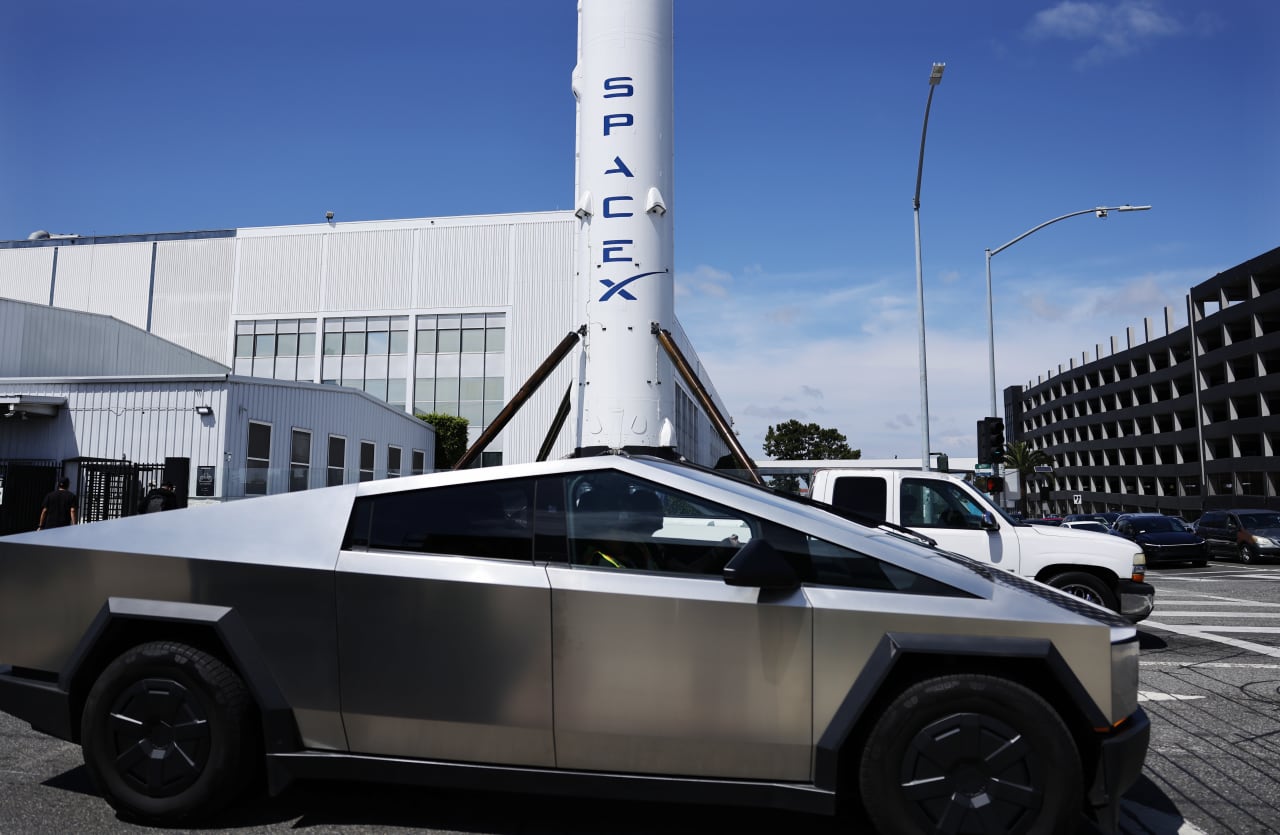
- The skepticism lands as Wall Street is 'all abuzz' over the prospect of combining the EV maker with Elon Musk's space company.
- The book 'The M&A Failure Trap' draws on four decades of deal data to make the case that most mergers fail to create shareholder value over a three-year horizon.
Why it matters: Academic research spanning 40,000 deals from 1980-2022 puts the historical M&A failure rate at roughly 3 out of 4, measured by three-year post-deal market cap versus standalone value. That base rate gives investors a quantitative framework to weigh the rumored Tesla-SpaceX tie-up against, rather than relying on synergy narratives.
Ask SkimNews