UAE reports Iranian missile and drone attacks, fires — SkimNews

SkimNews Take
Iran's lack of claim on the UAE strike, coming alongside unclaimed maritime disruptions to Indian oil, suggests deniable attacks on civilian infrastructure are calibrated to fall just outside ceasefire breach — exploiting a framework that can't punish what it can't attribute.
Get the Geopolitics newsletter
Daily geopolitics — wars, elections, sanctions, the diplomatic moves that move markets. Free.
- UAE reported four missiles fired from Iran on Monday and said it was actively engaging with another missile and drone attack.
- UAE Defense Ministry said three Iranian cruise missiles were intercepted, with a third falling into the sea, and the loud booms heard were due to those interceptions.
- Fujairah government media office reported a drone struck a fuel facility in the emirate, causing a fire.
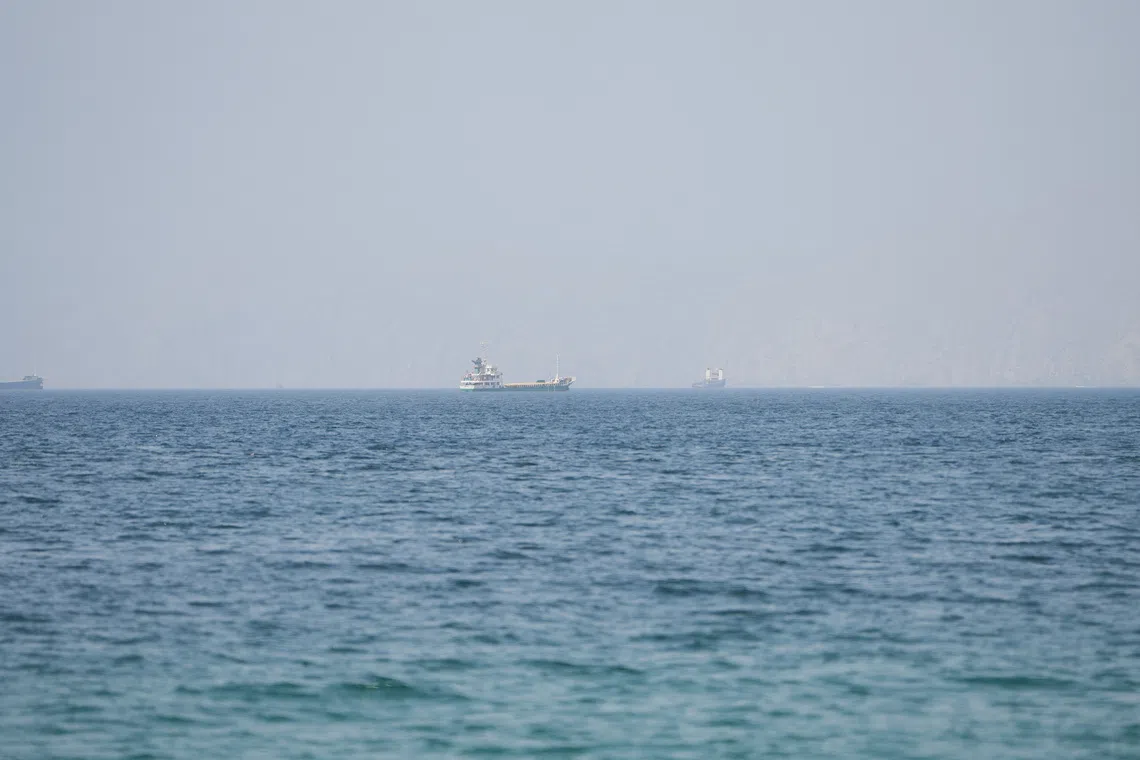
- U.K. maritime operations center reported fires on a cargo vessel’s engine room off Dubai and on a second vessel off the UAE coast, causes unknown.
- UAE said the attacks injured three Indian nationals and held Iran fully responsible for the attacks and their consequences.
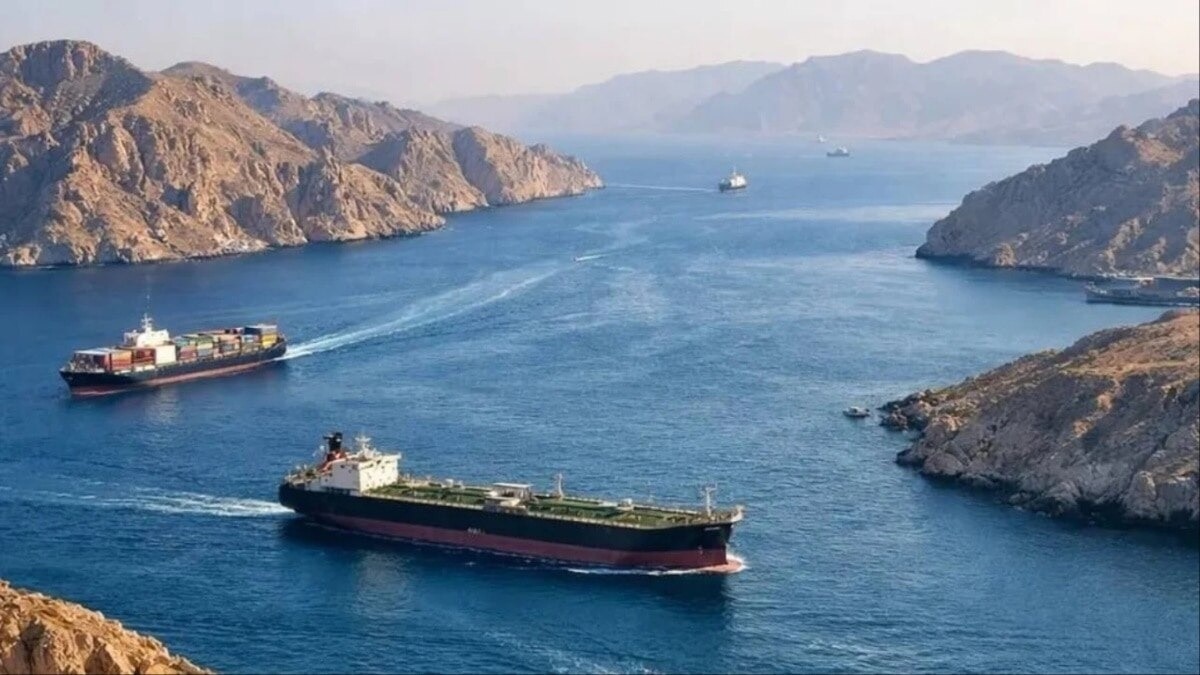
- Admiral Brad Cooper of U.S. CENTCOM said after the U.S. operation to guide ships through the Strait of Hormuz, Iran fired cruise missiles at Navy ships and drones at commercial vessels, all were engaged, and six Iranian small boats were eliminated by U.S. forces.
- President Trump launched a new initiative to guide ships through the Strait of Hormuz, prompting Iran to threaten to respond with force.
Why it matters: The attacks shatter the month‑long ceasefire, exposing the UAE to direct Iranian aggression, damaging fuel infrastructure and maritime assets, and injuring foreign workers, while Iran risks broader retaliation and the United States may be compelled to expand its naval response, heightening regional instability.
Ask SkimNews