Pro-Israel hawks in US criticise Iran MoU but avoid clashing with Trump

Get the Geopolitics newsletter
Daily geopolitics — wars, elections, sanctions, the diplomatic moves that move markets. Free.
- The US-Iran memorandum signed Wednesday mandates a regional ceasefire covering Iran and Lebanon, requires Iran to reopen the Strait of Hormuz, and commits the US to lifting energy-export sanctions in exchange for Tehran reiterating it will not pursue nuclear weapons.
- Senator Ted Cruz called the deal "ill-advised," arguing that "giving billions of dollars to theocratic lunatics who want to murder us is not a good idea," while Senator Lindsey Graham, a vocal war supporter, said the memorandum "will be beneficial."
- The memorandum includes a $300bn reconstruction and investment fund for Iran and the release of billions in frozen assets with no specific timeline, but defers uranium enrichment to 60-day follow-up talks and does not address Iran's missile program at all.
- AIPAC released a detailed statement criticizing the deal's sanctions relief and lack of missile restrictions while still lauding Trump for the Iran bombing, and the Foundation for Defense of Democracies rejected the memo as handing Iran "the one victory it could never have achieved on the battlefield."
- Trump reversed his position on Iran's missiles, telling reporters "missiles aren't the problem" — a shift policy director Ryan Costello compared to Trump going from "sounding more like John Bolton" to "sounding more like John Mearsheimer."
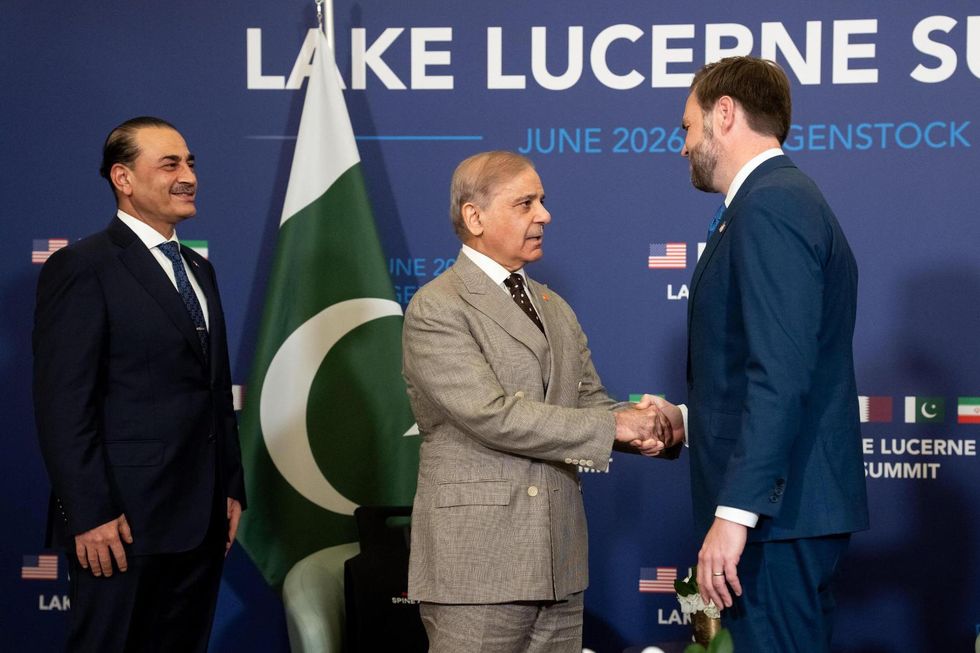
- Senator Roger Marshall, a Republican, broke with party norms by acknowledging Iran's right to self-defence on CNN, while Fox News's Mark Levin directed pointed criticism at Vice President JD Vance, the lead US negotiator, rather than at Trump.
- The war that began February 28 saw Iran close the Strait of Hormuz, driving up global oil prices and US inflation, while public opinion polls show widespread US disapproval — factors analysts say boosted the case for diplomacy in conservative sectors.
Why it matters: Pro-Israel hawks retain 'formidable' influence in Washington despite waging a war the US public broadly opposes, giving them leverage to reshape or derail follow-up diplomacy over the next 60 days of uranium talks — especially as critics redirect attacks at Vice President JD Vance rather than at the politically untouchable Trump.
Ask SkimNews