Primark Cuts Prices to Counter Shein and Temu — SkimNews
Get the Finance newsletter
Daily finance — markets, central banks, M&A, the prints that move money. Free.
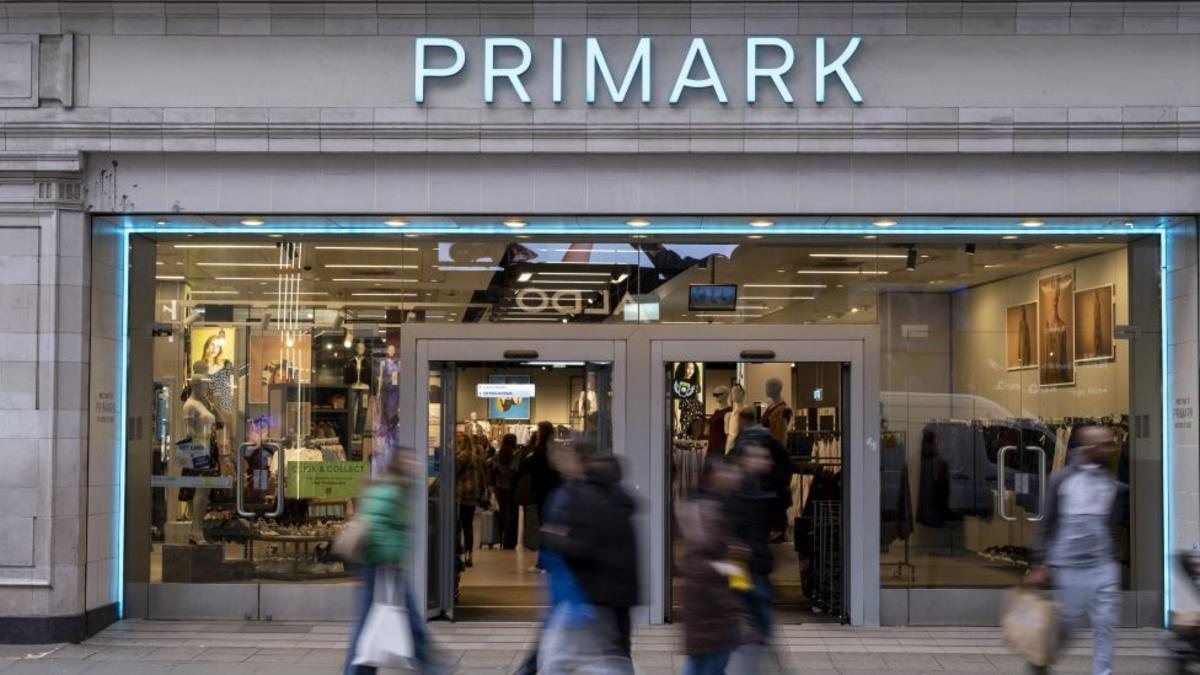
- Primark is lowering prices on hundreds of items including jeans, jumpers, and socks, responding to shopper complaints that it "isn't as cheap any more" and a drop in like-for-like sales
- The price cuts come ahead of parent company Associated British Foods' plan to spin off Primark on the London stock market next year, with Primark's latest trading update citing a "challenging consumer environment"
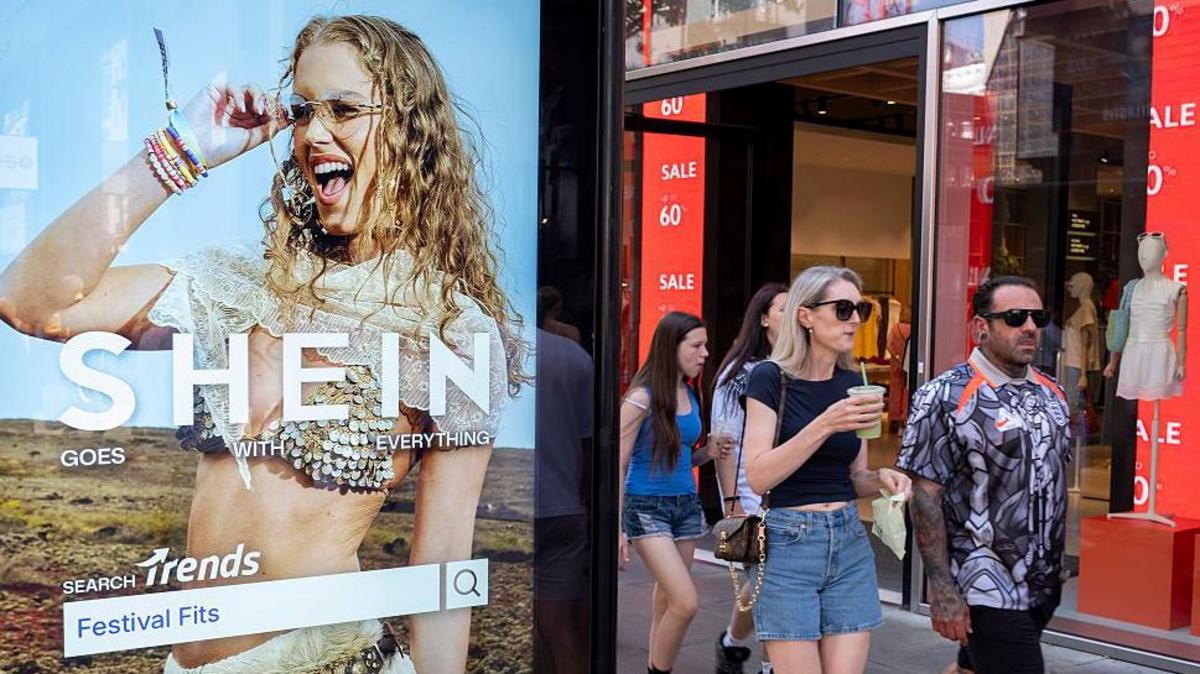
- Shein and Temu have intensified the squeeze, with Shein selling dresses for £3 and 32% of UK women aged 16-34 who buy clothes online saying they shopped at Shein in the past year (Mintel, July 2025)
- The Chinese marketplaces undercut traditional retailers by avoiding physical store costs, running an efficient model with minimal unsold stock, and benefiting from import duty exemptions on most packages — a carve-out set to end in October 2028
- Primark offers only click and collect, not delivery, and roughly 85% of its products are priced at £10 or less, per its latest annual report
- Mintel analyst Bridget McCusker and AJ Bell's Russ Mould describe the price reductions as a marketing exercise: cheap staples bring shoppers through the door, where Primark's impulse-driven model pushes full-margin items into their baskets
- About a third of UK clothing shoppers say they have bought clothes less frequently than the previous 12 months, per Mintel, as cost-of-living pressures reshape spending and push some toward charity shops, Vinted, and supermarket ranges like Sainsbury's Tu
Why it matters: The price cuts are timed precisely to a major corporate event: parent Associated British Foods plans to spin off Primark on the London stock market next year, and a softening like-for-like sales line would dent float-day optics. Strategically, Primark isn't repricing the whole range — analyst Bridget McCusker frames the cuts as a footfall-and-impulse play, with cheap jeans used to draw shoppers in on the promise that they will leave with a basket full of higher-margin items.
Ask SkimNews