Malaysia's PM Defends Israeli Entry Ban Against US Lawmakers — SkimNews
Get the Geopolitics newsletter
Daily geopolitics — wars, elections, sanctions, the diplomatic moves that move markets. Free.
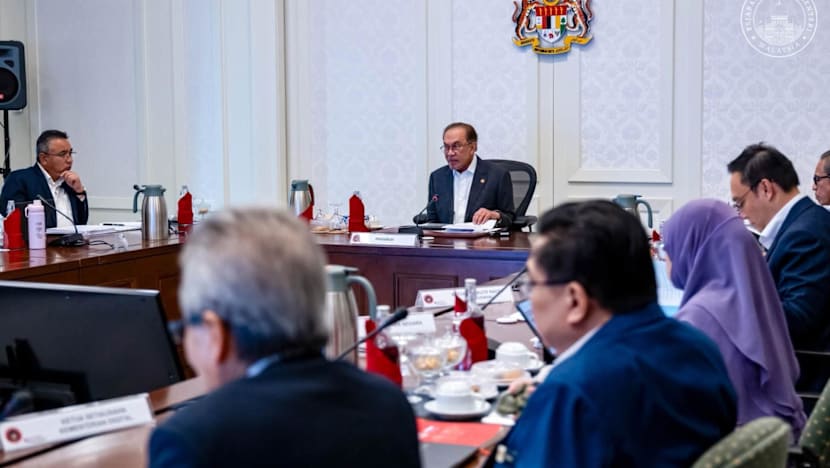
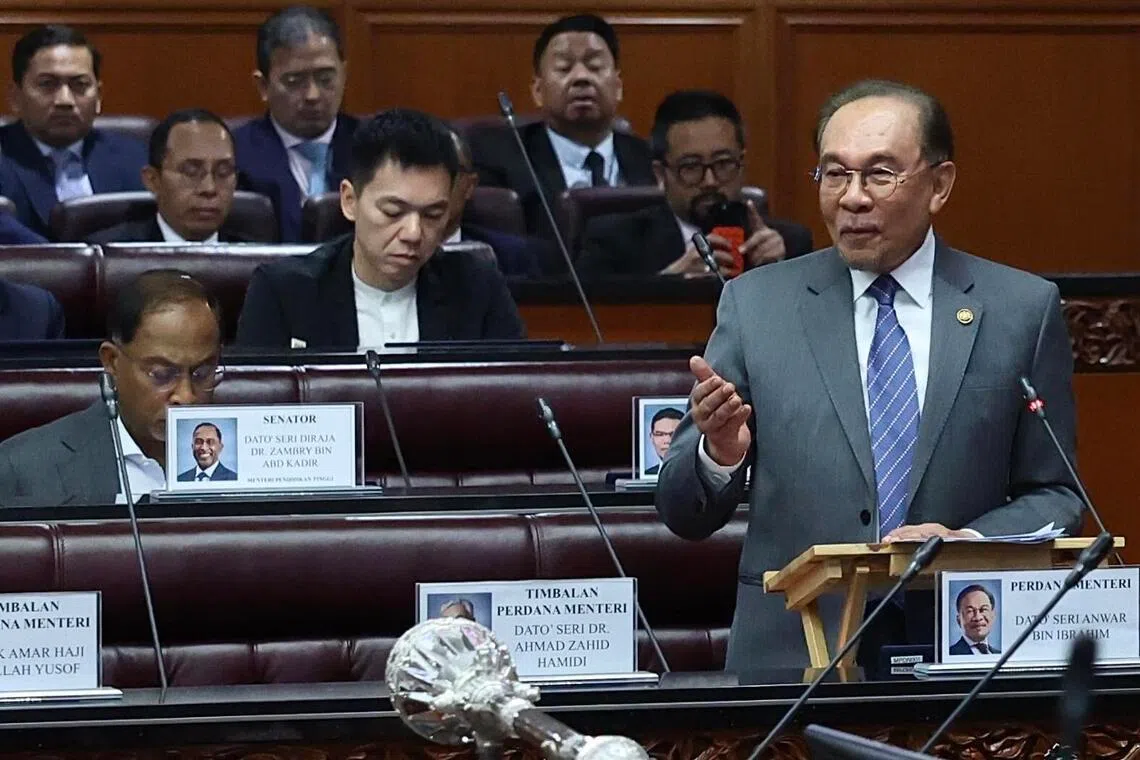
- Anwar Ibrahim said on July 22 that Malaysia will not change its decades-old policy banning Israeli citizens from entering the country, rejecting US lawmakers' claims that the policy violates international law.
- Eight US Congressmen — Greg Landsman, Josh Gottheimer, Jimmy Panetta, Dan Goldman, Debbie Wasserman Schultz, Jared Moskowitz, Brad Sherman, and Jake Auchincloss — signed a July 21 letter to Secretary of State Marco Rubio urging Washington to review security and economic ties with Malaysia.
- Anwar distinguished the ban from anti-Semitism, saying it targets Israeli citizens who are "complicit to the murders, crimes and continuous oppression, colonisation of Palestine and Gaza," not Jews.
- US lawmakers specifically cited Malaysia's participation in the International Military Education and Training (IMET) program, which funds Malaysian military personnel to receive US professional training.
- Anwar dismissed lawmakers' concerns about Malaysia's ties with Hamas, saying he raised the issue with US President Donald Trump and met a Hamas leader only to express sympathy for families affected by bombings.
- Anwar said Malaysia maintains good relations with the US and welcomes American citizens, businesses, and investments, but will not be "faint-hearted" about condemning violence against Palestinians.
- Anwar's July 15 remarks to deport Israeli nationals holding dual citizenship followed a Johor government call to investigate Network School at Forest City over claims Israeli nationals were living there.
Why it matters: The eight US lawmakers pointed specifically to the IMET military training program as leverage, raising the stakes that Malaysia's security cooperation with Washington could be curtailed. Anwar's flat refusal — anchored in decades of consistent Malaysian policy — signals Kuala Lumpur is willing to absorb diplomatic friction with the US rather than soften its stance on Israel, even as bilateral trade and investment ties remain intact.
Ask SkimNews