NJ Bill Would Lock Out Tesla's Camera-Only Robotaxi — SkimNews
Get the Energy newsletter
Daily energy & climate — solar, EVs, oil, the policy fights and tech bets shaping the transition. Free.
- New Jersey S1677 would require fully driverless commercial vehicles to use cameras plus two additional sensing technologies, complete 50,000 miles of supervised testing with a human safety driver, and get state authorization before any commercial launch under a three-year pilot program
- State Senator Andrew Zwicker, a physicist at the Princeton Plasma Physics Laboratory, sponsored the bill after riding in a Waymo in Phoenix and told The Verge it is 'pro–New Jersey safety' rather than anti-Tesla
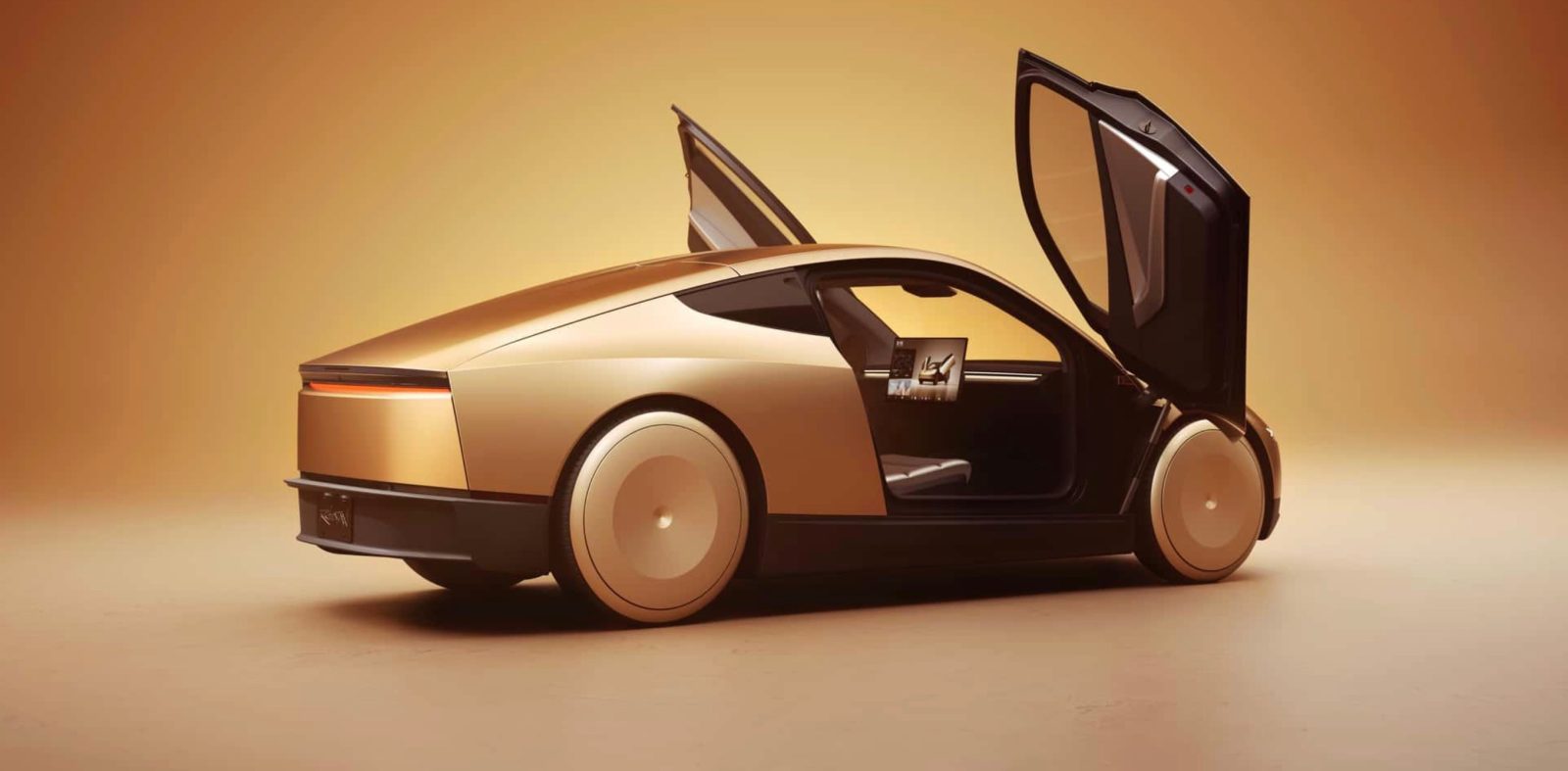
- Tesla's camera-only Robotaxi cannot meet the radar-plus-lidar mandate, and the bill's preference for traditional steering wheels and pedals also excludes the wheel-less Cybercab; New York is considering a nearly identical hardware mandate
- Waymo operates more than 3,500 driverless vehicles across 11 US metros, while Tesla has 'only a handful' of unsupervised test vehicles on public roads, mostly in Texas — despite Musk's promise of hundreds of thousands of autonomous Teslas by end of 2026
- Tesla's direct-to-owner lobbying backfired: the company warned New Jersey Tesla owners the bill would ban Teslas from the state, generating roughly 4,000 protest emails to Zwicker's office in a single day — which Zwicker then publicly corrected, noting the bill only targets fully driverless commercial fleets, not consumer Autopilot or FSD
- Carnegie Mellon professor Philip Koopman argues camera-only tech isn't ready for around-the-clock public-road use in tough climates and that running a small test fleet hides flaws that surface as a fleet scales from 100 to 10,000 vehicles
Why it matters: Tesla's Cybercab cost strategy relies on stripping radar and lidar to hit a low price point, so New Jersey's hardware mandate forces Musk to add the sensors he's publicly rejected or concede the country's most densely populated state to Waymo's compliant fleet. With New York weighing an identical bill and no federal self-driving framework, the regulatory patchwork now extends to the hardware inside the cars themselves.
Ask SkimNews