After deadly weekend for US troops, Trump vows revenge against Iran — SkimNews
Get the Geopolitics newsletter
Daily geopolitics — wars, elections, sanctions, the diplomatic moves that move markets. Free.
- Trump vowed on Truth Social that Iran would "pay many times over" for each American soldier killed, directing "Secretary of War" Pete Hegseth and Joint Chiefs Chairman Daniel Caine to carry out the directive, as the total US troop death toll in the conflict rose to 17 over the weekend.
- Two US service members were killed when Iran attacked US personnel in Jordan, with the remains of an additional service member under examination; separately, six troops died in March when an Iranian drone struck a US facility at Port Shuaiba, Kuwait.
- Roughly 430 US troops have been injured in the conflict since the war began in February, and Trump will attend the dignified transfer ceremony at Dover Air Force Base for those killed.
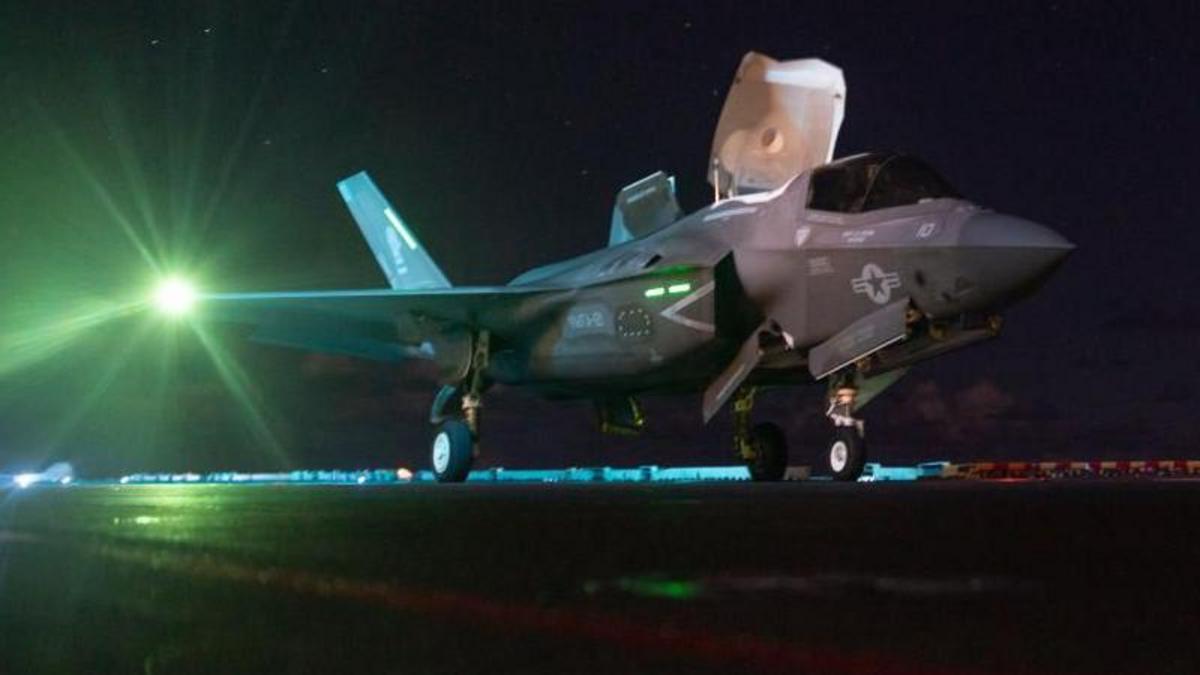
- The US military had already begun moving additional fighter jets and refueling tankers to the Middle East prior to the deadly Jordan attack, according to a US official who spoke to Reuters.
- Trump has threatened to expand targets inside Iran to include energy plants and bridges, deploy ground forces to seize the Kharg Island oil hub, and bomb the deep-underground nuclear-linked Pickaxe Mountain site.
- Joe Kent, who resigned as head of the National Counterterrorism Centre in March over Trump's war in Iran, warned of an "escalation trap" and urged "get our troops out now before we suffer a mass casualty attack."
- The war's cost is set to dominate a congressional hearing Tuesday with Hegseth and Caine, the first major oversight moment since the death toll accelerated.
Why it matters: With 17 US troops killed and 430 injured since the February start of the war, the conflict's human cost is now forcing a rare congressional cost hearing — but the US was already surging air assets before the latest deaths, suggesting the troop fatalities are accelerating an escalation rather than redirecting it. Kent's "escalation trap" warning from a former counterterrorism chief underscores that even insiders see the path as self-reinforcing.
Ask SkimNews