China Controls Battery Stack Behind Modern Drone Warfare — SkimNews
Get the Geopolitics newsletter
Daily geopolitics — wars, elections, sanctions, the diplomatic moves that move markets. Free.
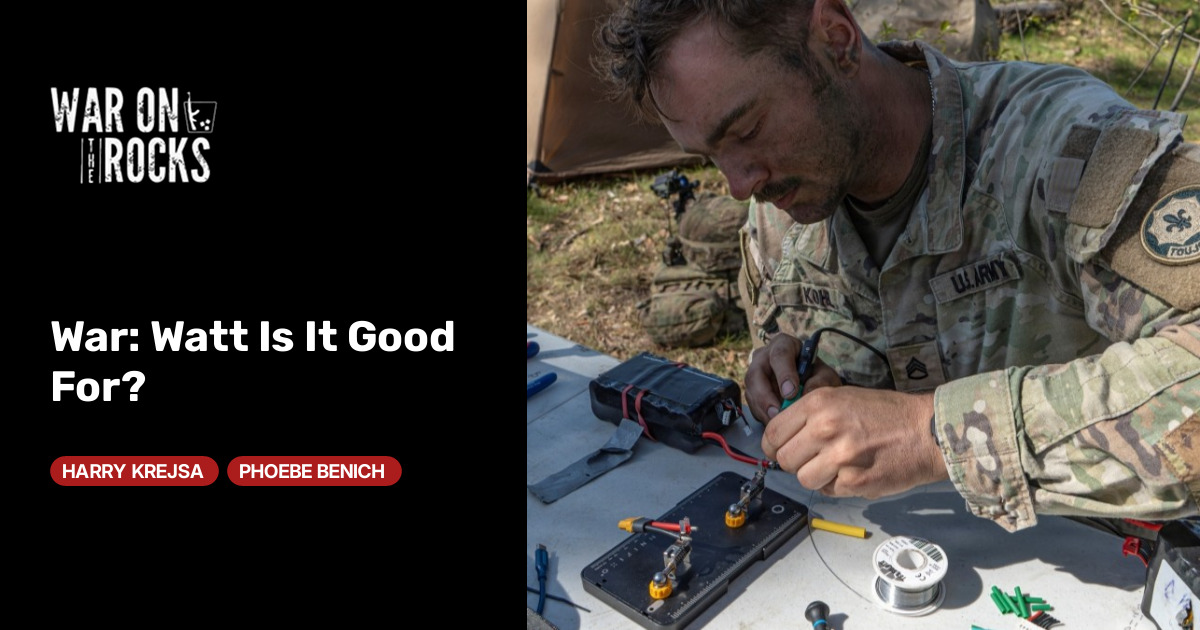
- Drones powered by batteries, motors, and onboard compute are now responsible for the overwhelming majority of casualties in Ukraine, and Russian jamming is pushing platforms toward AI-guided autonomy that demands even more onboard electricity storage.
- Chinese firms like Xiaomi and BYD dominate the shared electrotech supply chain — batteries, motors, chips — that underpins EVs, drones, and robots, because all of those products share the same industrial heritage as smartphones and laptops.
- Xi Jinping elevated "intelligentization" into Chinese military doctrine in 2020; China has since demonstrated its Atlas drone swarm system and is training against unmanned naval attack platforms in joint exercises with Russia, framed as preparation for a Taiwan scenario.
- The Pentagon has requested $54 billion for a crash drone production program and is developing its first serious battery strategy, while private capital has given multibillion-dollar valuations to defense startups like Anduril, Saronic, and Joby that build on the same consumer-electronics foundations.
- Last year's partial repeal of the Inflation Reduction Act zeroed out consumer EV incentives — gutting the demand growth battery factories were planned against — while battery manufacturing incentives narrowly survived, leaving the Pentagon without the civilian-scale industrial reserve the essay argues it needs.
- Anthropic's Mythos model, launched in April, can autonomously discover and exploit zero-day vulnerabilities, with its output directly tied to the wattage thrown at it — a class of tool the essay says will shape offensive cyber in any future war's opening salvos.
Why it matters: The $54 billion Pentagon drone request lands as last year's IRA repeal gutted the consumer EV demand US battery factories were planned against. Without rebuilding that civilian-scale reserve, Washington's crash build-out competes against Chinese firms like Xiaomi and BYD that already control the batteries, motors, and chips shared between EVs, Ukraine's lethal drones, and Beijing's Atlas swarms.
Ask SkimNews