Supreme Court Hears Boulder Climate Case vs. Exxon, Suncor — SkimNews
Get the Energy newsletter
Daily energy & climate — solar, EVs, oil, the policy fights and tech bets shaping the transition. Free.
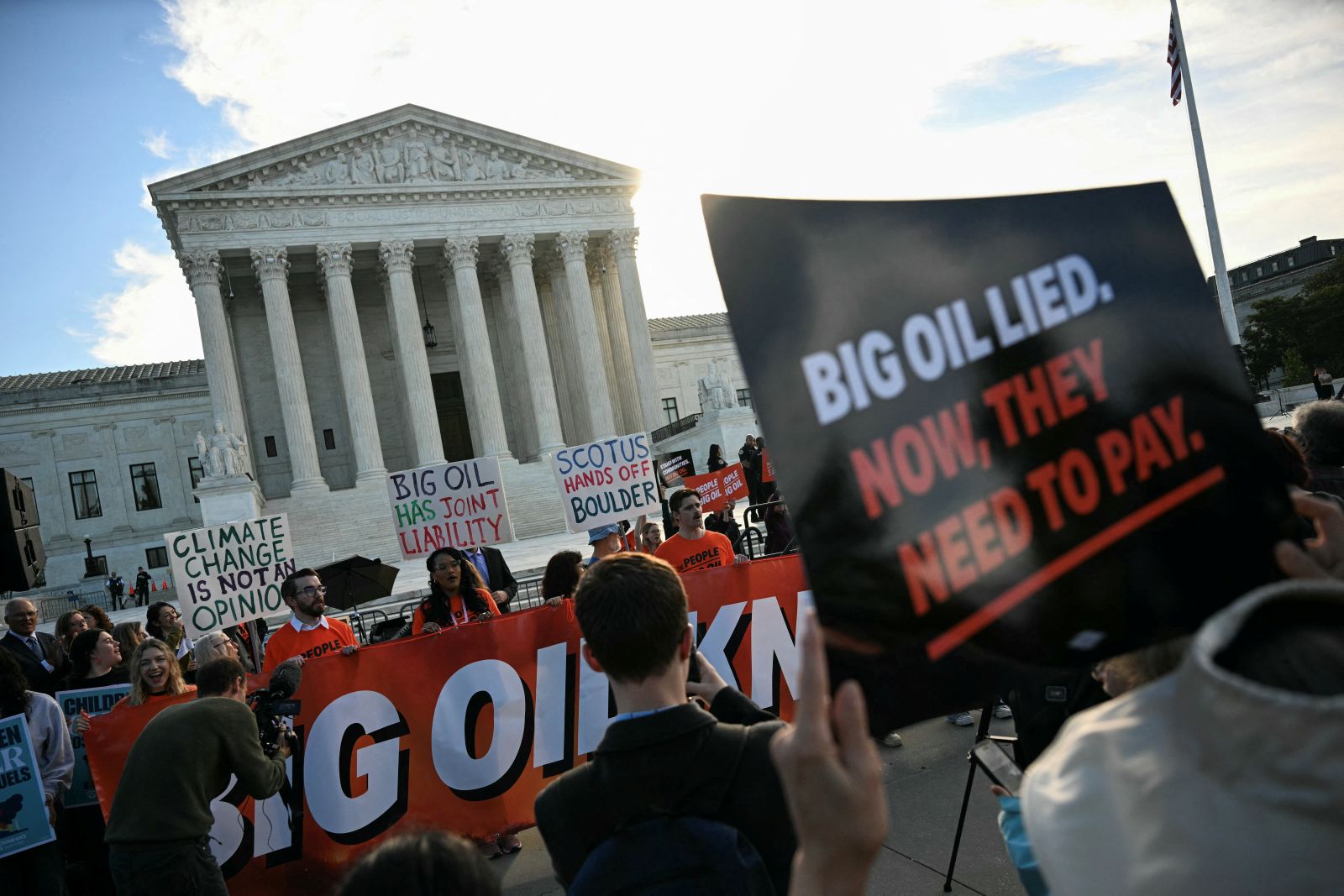
- Supreme Court opened its 2026-2027 term Monday with oral arguments in Boulder, Colorado's lawsuit against ExxonMobil and Canadian oil company Suncor over the costs of climate change, one of dozens of similar suits filed by local governments nationwide.
- Boulder's legal theory is a "deception" claim — not a demand to curb oil production or emissions, but compensation for fossil fuel companies allegedly misleading the public about the climate harms of their products.
- Justice Elena Kagan drew a parallel to 1990s state lawsuits against tobacco companies that sought healthcare cost compensation without banning cigarette sales, a framing Boulder's attorney Kevin Russell embraced.
- Justice Kavanaugh warned the case could "bankrupt" some oil companies, and Suncor has told shareholders that accumulating climate litigation could affect the company's bottom line.
- Oil companies' attorney Kannon Shanmugam cast the suit as an "unprecedented effort to use state law to regulate global conduct" and warned that allowing it to proceed would invite new suits "by the week" seeking billions in damages.
- Justice Samuel Alito recused himself without explanation — he has faced accusations that his oil and gas investments made his participation inappropriate — raising the prospect of a 4-4 split that would automatically send the case back to Colorado courts.
- The source notes that consequences for communities already dealing with a warming planet "went largely unexplored" during arguments, even as the financial exposure to oil companies dominated the discussion.
Why it matters: The Court gave no clear ruling signal, but the case is now the legal fulcrum for dozens of similar fossil fuel suits nationwide seeking billions in damages. If justices allow Boulder's deception theory to proceed in state court, local governments gain a viable compensation path; if they block it on jurisdictional grounds, they narrow the field dramatically — and the chosen rationale matters because pending climate suits rely on different legal bases.
Ask SkimNews