Keir Starmer Resigns as UK Prime Minister — SkimNews

Get the Geopolitics newsletter
Daily geopolitics — wars, elections, sanctions, the diplomatic moves that move markets. Free.
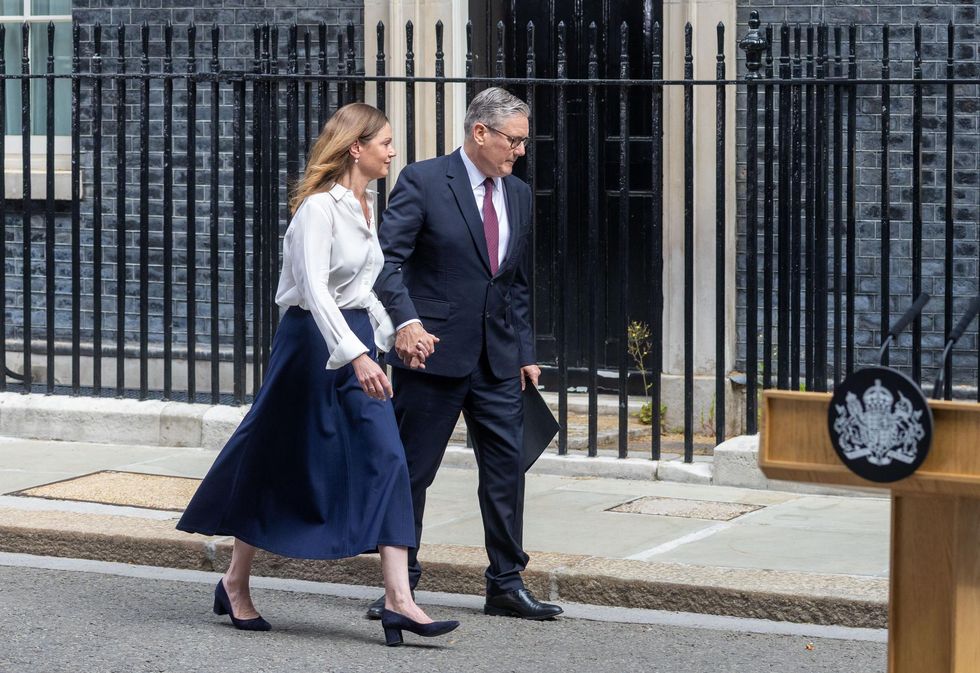
- Keir Starmer announced his resignation as UK Prime Minister on Monday and submitted it to King Charles III after his parliamentary party signaled loss of confidence.
- Andy Burnham's over-50% by-election victory in Makerfield triggered Starmer's exit; Burnham has confirmed he will stand for Labour leader, with nominations opening July 9 and a new leader named before Parliament returns in September.
- Peter Mandelson's ambassador appointment became Starmer's biggest scandal — Starmer allegedly pushed it through despite Mandelson failing security vetting, and Mandelson is now under police investigation over Jeffrey Epstein ties.
- Angela Rayner resigned as Deputy Prime Minister in September 2025 over a tax scandal, forcing a major cabinet reshuffle in Starmer's government.
- Starmer became Labour leader in 2020, led the party to a July 2024 landslide ending 14 years of Conservative rule, and in his farewell speech cited the fastest NHS waiting-list fall in 17 years and 500,000 children lifted out of poverty.
- The UK has now seen six Prime Ministers resign in 10 years, after Sunak, Truss, Johnson, May, and Cameron.
Why it matters: Burnham is the clear winner: his Makerfield wave (50%+) effectively toppled Starmer, and he now sits as frontrunner to lead Labour into the next general election. The cost is a leadership contest compressed into weeks, with a new PM inheriting both real policy wins (NHS waiting lists, 500,000 kids out of poverty) and the unresolved Mandelson vetting and Rayner tax scandals.
Ask SkimNews