Iran targets US Gulf bases, 13 deemed uninhabitable — SkimNews
Get the Geopolitics newsletter
Daily geopolitics — wars, elections, sanctions, the diplomatic moves that move markets. Free.
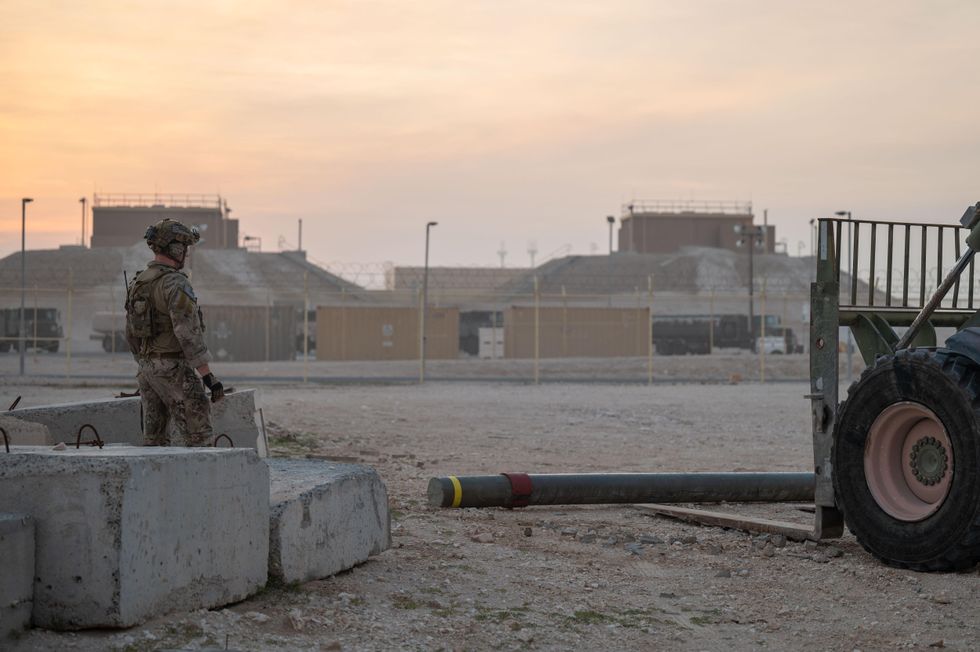
- U.S. maintains a dense network of 13 bases across the Gulf, including the Fifth Fleet in Bahrain, Al Udeid in Qatar, Al Dhafra in the UAE, and multiple sites in Kuwait and Saudi Arabia.
- Iran has used drones, cruise missiles and proxy forces to strike critical infrastructure such as Saudi oil facilities in 2019, demonstrating the ability to bypass U.S. naval and air defenses.
- Satellite imagery shows that all 13 U.S. bases in the Gulf have become uninhabitable, and their proximity to civilian infrastructure heightens the risk of spill‑over damage from attacks.
- Gulf states remain reluctant to curtail the U.S. presence because their security institutions are deeply integrated with American training, logistics, intelligence, and arms procurement, creating political dependence.
- Pakistan offers a contrasting model, maintaining security cooperation with the United States while avoiding permanent basing, which gives it diplomatic flexibility and reduces exposure to retaliation.
Why it matters: Gulf states face heightened economic and security risk as Iranian attacks bypass U.S. defenses, while the United States’ forward‑deployment model loses credibility; adopting a leaner, non‑basement partnership—exemplified by Pakistan—could lower exposure for host nations, preserve diplomatic flexibility, and reduce the chance that U.S. bases become targets that could spill over into civilian infrastructure.
Ask SkimNews