Iran Struck 20 US Bases in Operation Epic Fury — SkimNews

Get the Geopolitics newsletter
Daily geopolitics — wars, elections, sanctions, the diplomatic moves that move markets. Free.
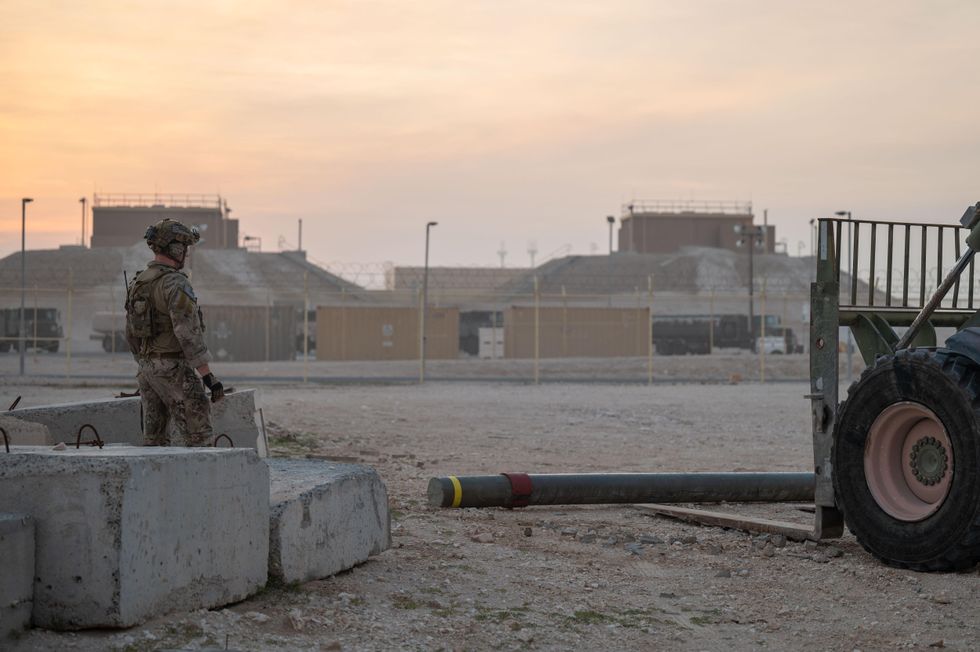
- Iran struck at least 20 U.S. military sites across eight countries during Operation Epic Fury, damaging or destroying 228 structures and pieces of equipment including hangars, barracks, aircraft, fuel depots, and air defense systems.
- Washington has already committed to rebuilding the damaged bases, strengthening their defenses, and replacing destroyed equipment — a response the analysis calls a strategic mistake.
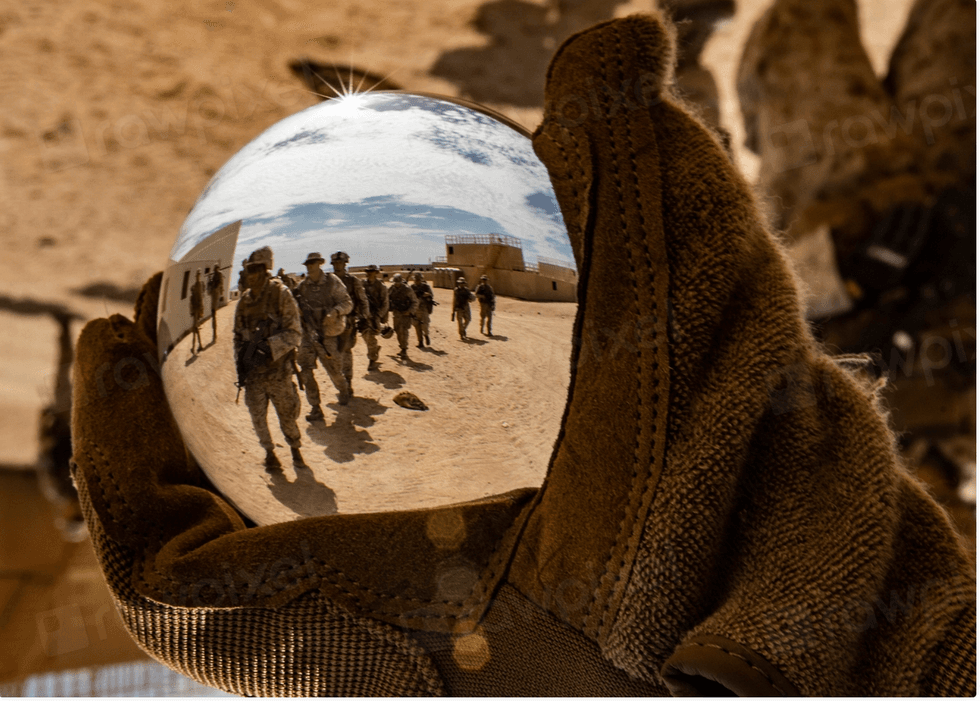
- The U.S. maintains roughly 40,000 to 45,000 troops across disclosed Middle East bases, plus an undisclosed number at forward operating locations in the region.
- Tehran effectively closed the Strait of Hormuz during the conflict, removing 20% of global oil supply, yet prewar inventories, alternative producers, strategic reserves, and regional rerouting blunted the shock.
- China, the largest importer of Middle Eastern oil, would likely lead a strong international response to any future unprovoked Iranian closure of the strait, per the analysis.
- U.S. military presence in the region has entangled Washington in Iraq, Libya, Yemen, Syria, and Iran by lowering the threshold for using force and shielding partners from policy consequences.
- Offshore balancing would eliminate direct bases, shift security responsibility to local actors, and reserve U.S. military intervention for meaningful challenges to regional interests.
Why it matters: Washington is choosing to rebuild rather than retreat, doubling down on a 40,000-45,000 troop posture the analysis argues has drawn the U.S. into Iraq, Libya, Yemen, Syria, and Iran. If the Strait of Hormuz disruption proved the energy rationale obsolete, the strategic case for this footprint collapses — making the rebuild a costly commitment to repeat the same cycle.
Ask SkimNews