Pentagon urged to harden forward bases after Iran war — SkimNews
Get the Geopolitics newsletter
Daily geopolitics — wars, elections, sanctions, the diplomatic moves that move markets. Free.
- Jennifer Kavanagh assessed US operational concepts against Iran and warned that the war exposed forward‑base vulnerability that could make them obsolete in a future China conflict.
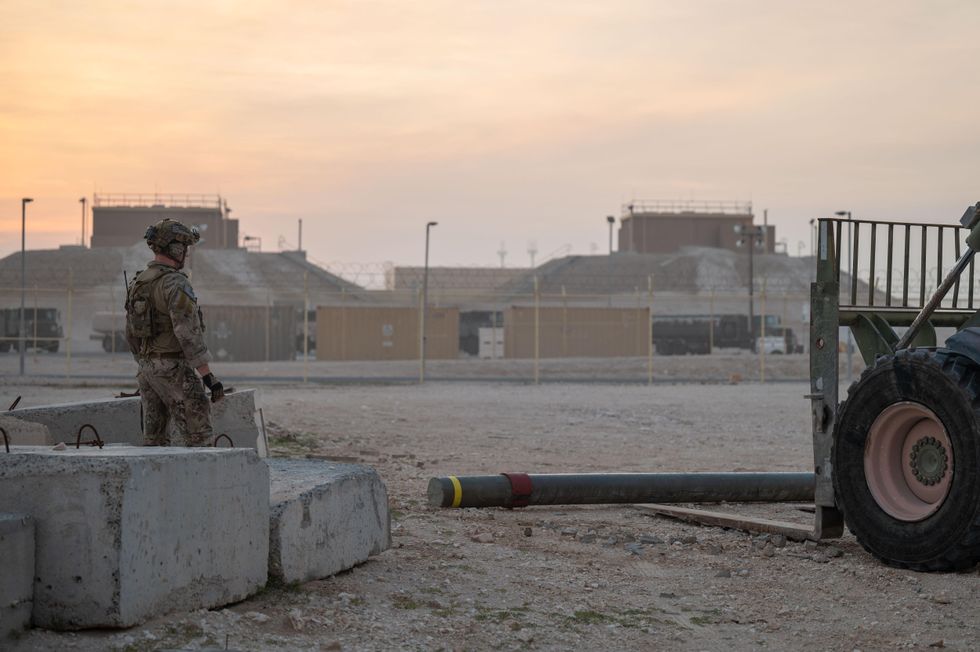
- U.S. forward bases in the Middle East took significant incoming fire, sustained serious damage, but continued to support offensive operations; only support and command staff were relocated.
- Pentagon has long under‑funded hardening of Middle‑East bases, leaving assets such as THAAD radars structurally unprotected and without active defenses, though Iranian drones and missiles were largely intercepted.
- Western Pacific bases face similar exposure to Chinese missile fire; services recognize the risk and are under pressure to harden critical assets, yet progress remains slow.
- Marine Corps and other services have adopted dispersion, expanding operational access to small sites like Peleliu, Itbayat, and Tinian to reduce reliance on a few large bases.
- Admiral Samuel Paparo emphasized that forward presence is essential for a denial strategy against Taiwan, requiring proximity for sensors, targeting, lethal fires, and logistics despite the inherent vulnerability.
Why it matters: U.S. forces gain survivability by investing in base hardening, while adversaries lose the advantage of striking soft targets; the Pentagon’s delayed funding leaves critical assets like THAAD radars exposed, and slow progress risks compromising denial operations in Taiwan. This shift could force a redesign of force posture across the Gulf and Western Pacific, increasing reliance on dispersed sites.
Ask SkimNews