Nebraska Renewable Tax Funds Skew to 10 Counties — SkimNews
Get the Energy newsletter
Daily energy & climate — solar, EVs, oil, the policy fights and tech bets shaping the transition. Free.
- O'Neill Public School District collected roughly $7.6 million over nine years from the nameplate capacity tax, helping fund a $13.2 million junior-senior high school expansion that Superintendent Amy Shane said would otherwise have fallen on local taxpayers.
- Nebraska's nameplate capacity tax revenue grew from $2.03 million across nine counties in 2015 to over $13.6 million in 2025, yet more than 88% of the 2025 total went to just 10 of the state's 93 counties.
- Nebraska lawmakers considered raising the per-megawatt rate from $3,518 to $6,560 in 2025, but the bill died as part of a larger tax package even as the legislature separately passed a bill extending the tax to qualifying battery energy storage developments.
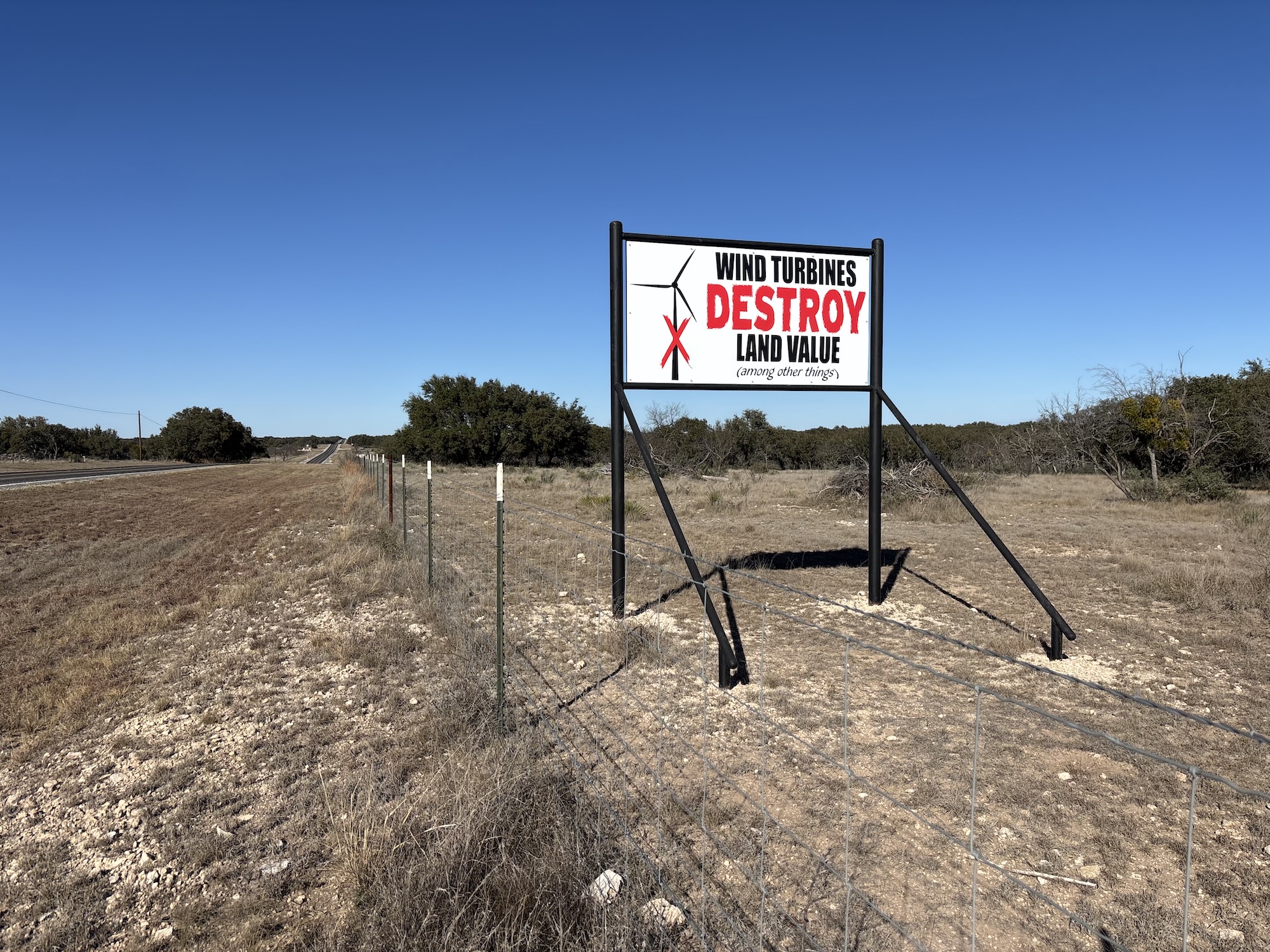
- Several Nebraska counties have adopted moratoriums or strict zoning rules that have effectively banned or sharply restricted renewable energy siting, driven by concerns over property values, noise, health, and fire risks.
- Omaha Public Power District is pursuing an "all-of-the-above" energy strategy that keeps coal on the grid while expanding natural gas and signing more power purchase agreements with renewable developers, said OPPD's Dustin Marvel.
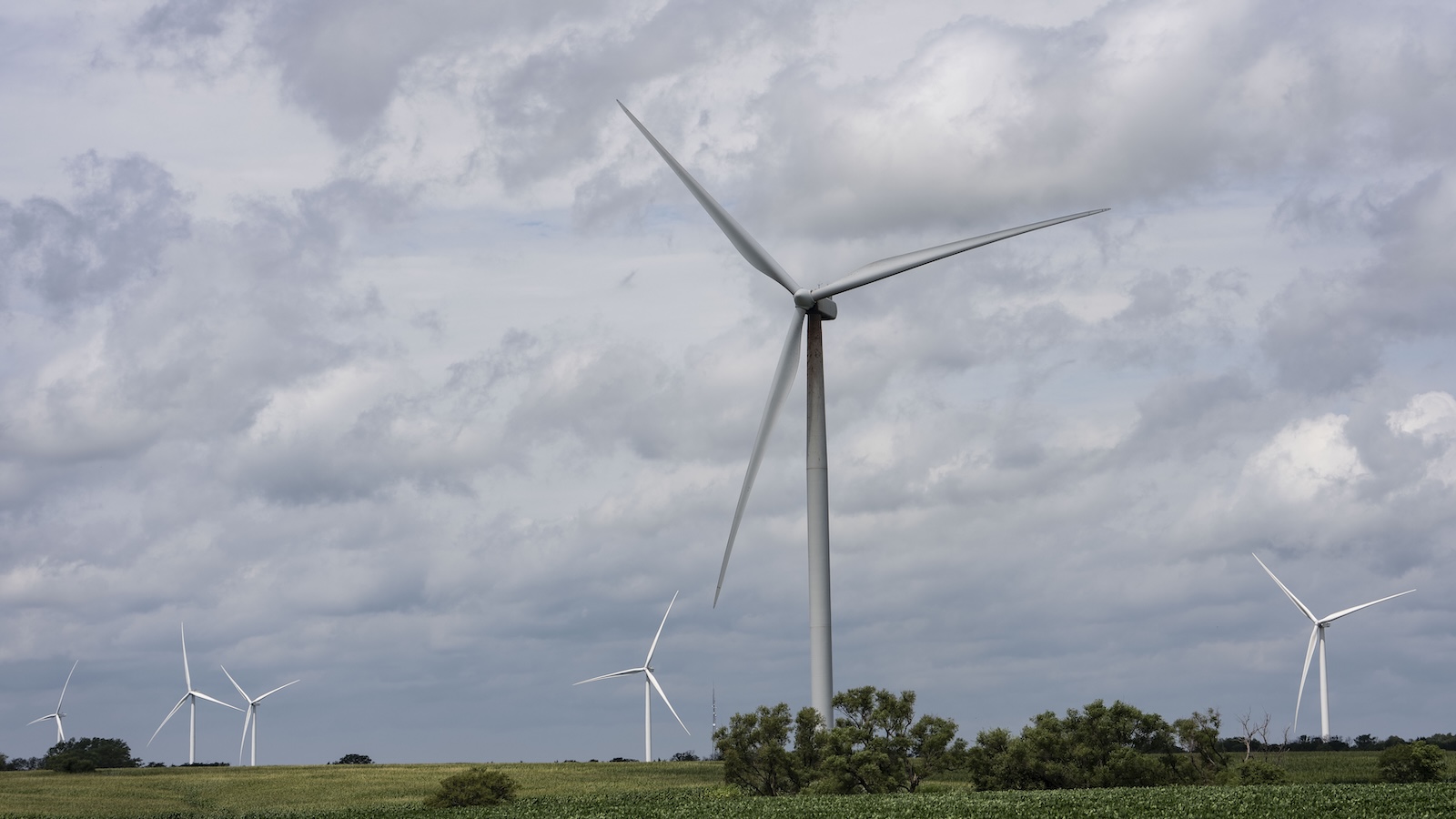
- John Hansen, president of the Nebraska Farmers Union, argued that urban sprawl and acreage housing developments pose a larger threat to Nebraska farmland than solar projects, calling each wind turbine an "off-farm, part-time job" the farmer doesn't have to leave home for.
- Jon Cannon of the Nebraska Association of County Officials said counties average about 23% of nameplate capacity tax revenue and that developers must be transparent and address community concerns early to make headway in skeptical areas.
Why it matters: With 88% of renewable tax revenue concentrated in 10 of 93 counties, the majority of Nebraska communities are excluded from the financial upside proponents use to win local support — and as moratoriums spread in other counties, the geographic mismatch between where the money flows and where opposition is rising threatens to shrink the tax base that schools like O'Neill's rely on.
Ask SkimNews