Permian Oil Boom Floods Pecos River With Produced Water — SkimNews

Get the Energy newsletter
Daily energy & climate — solar, EVs, oil, the policy fights and tech bets shaping the transition. Free.
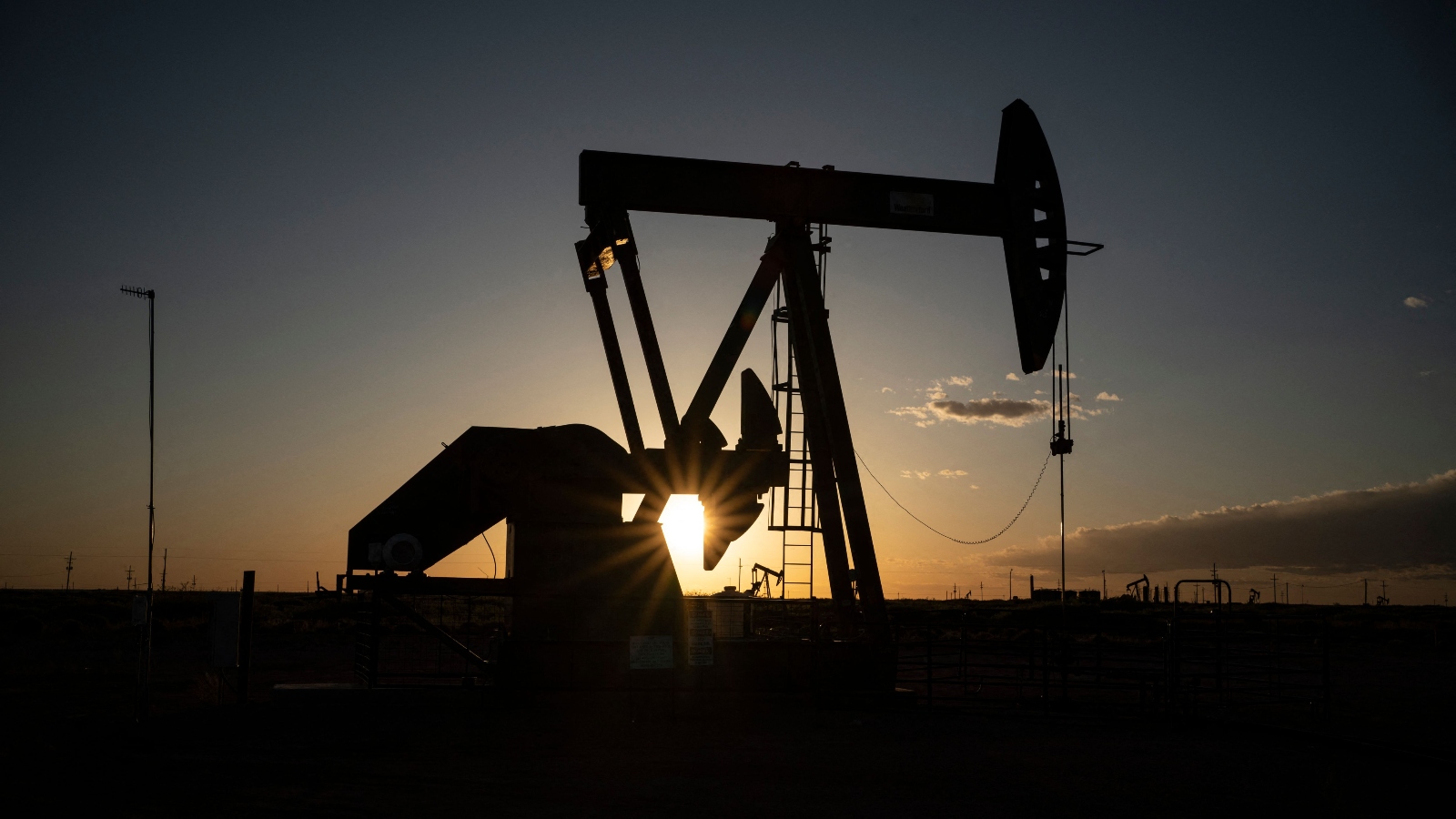
- Oilfield wastewater exceeds oil output more than 3-to-1 in New Mexico on average, with the ratio rising as wells age, and the state's disposal method of deep-well injection has triggered increased seismic activity and toxic blowouts.
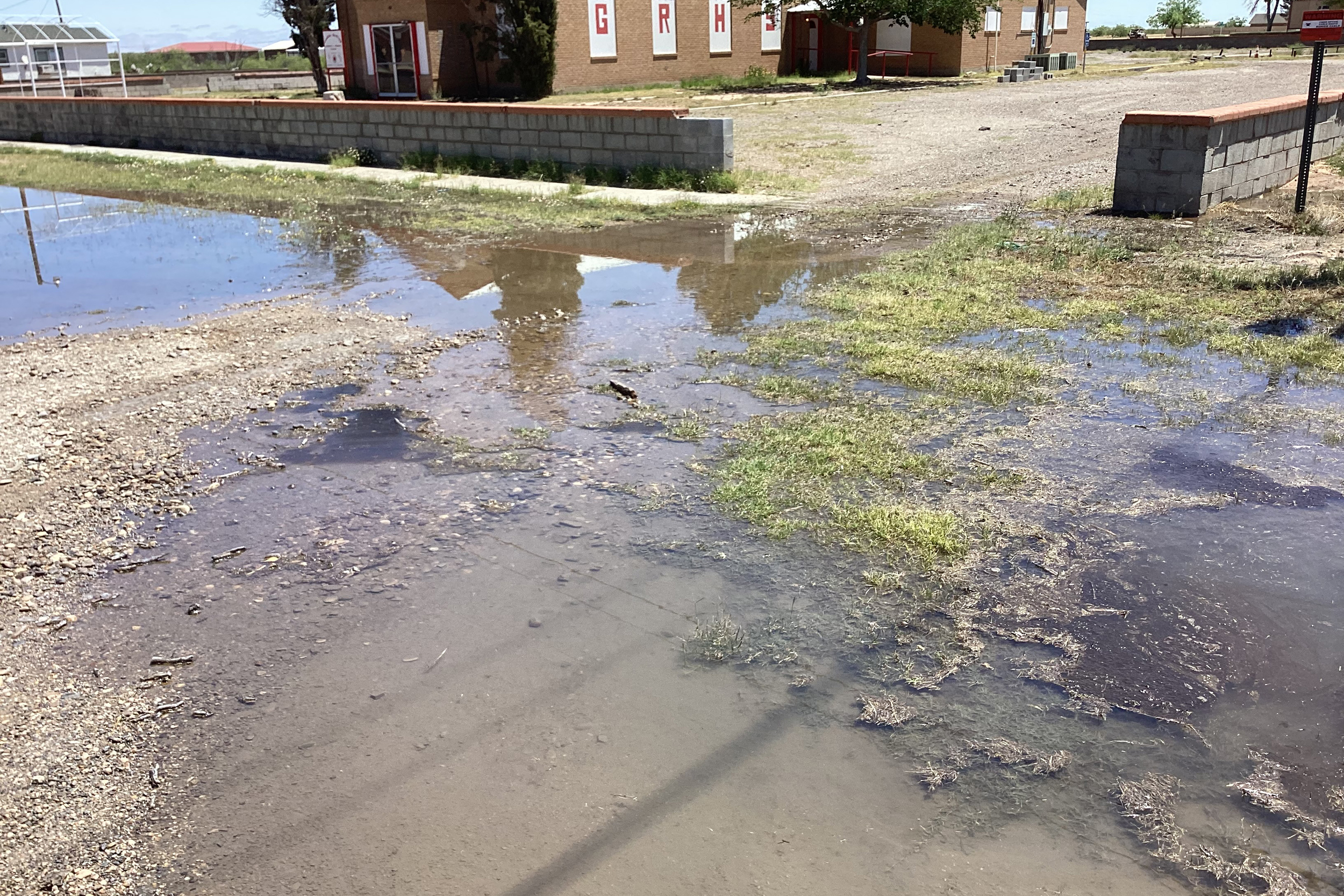
- Charlie Barrett, a thermographer with the watchdog Oilfield Witness, documented four active gas flares near a home along the Pecos despite New Mexico's 2022 ban on nearly all flaring, and found oilfield wastewater dumped at a roadside pullout near the Black River.
- American Rivers twice named the Pecos among America's most endangered rivers—in 2024 and 2021—while U.S. Geological Survey data shows steadily declining snowpack at its headwaters over nearly 40 years.
- New Mexico expects a 25% to 30% decrease in Pecos flow by 2070, and the state's 50-Year Water Action Plan proposes treating oilfield wastewater to broaden its use—a push environmental groups strongly oppose.
- Five proposals to discharge treated produced water into the Texas portion of the Pecos watershed have been tallied by the Sierra Club's Texas branch, though none have been approved.
Why it matters: The Pecos faces a compounded squeeze: rising produced-water volumes, documented illegal flaring, and a projected 25-30% flow decline by 2070. State rulemakers and industry are now eyeing that same toxic wastewater as a partial supply fix, even as environmental groups argue residual chemicals cannot be fully removed—leaving downstream communities, farmers, and endangered species like the Texas hornshell mussel to absorb whichever outcome prevails.
Ask SkimNews