Kids' lungs recover fast after London Ulez
Get the Energy newsletter
Daily energy & climate — solar, EVs, oil, the policy fights and tech bets shaping the transition. Free.
- London's Ultra Low Emission Zone (Ulez) led to faster reductions in nitrogen dioxide levels from 2019, coinciding with accelerated lung growth in children aged six to nine, per a Queen Mary University of London study.
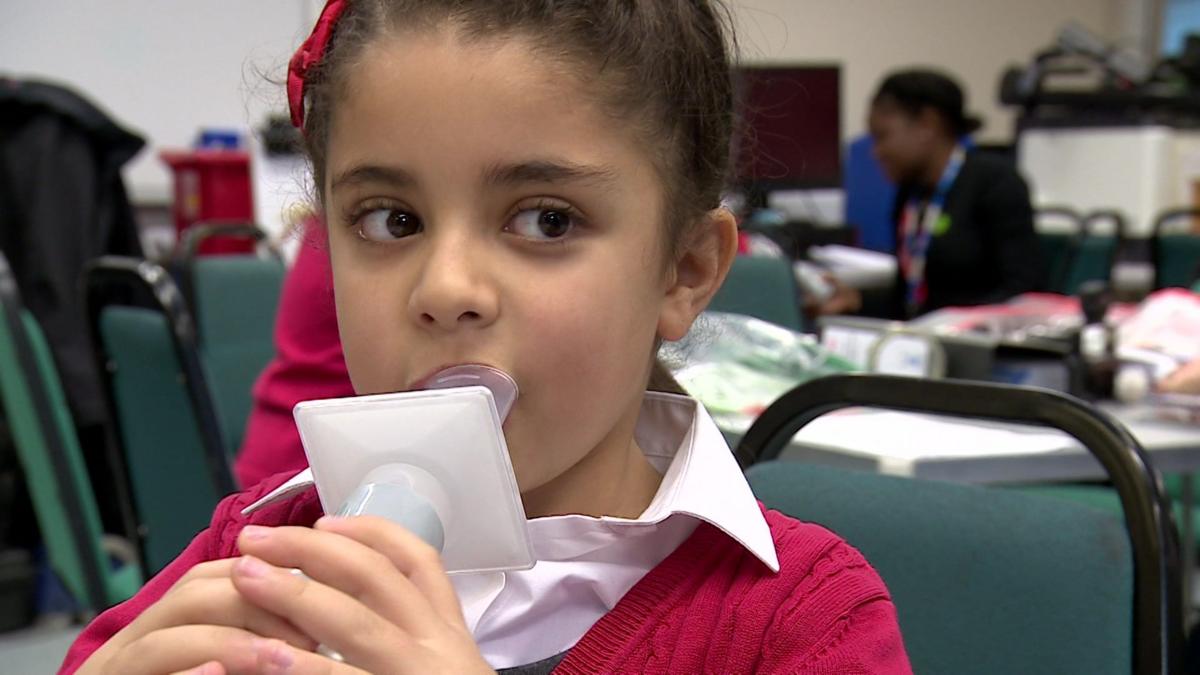
- Children in London had smaller lung capacity than peers in Luton before Ulez, but their lung growth accelerated over four years to reach near-identical levels, as measured by forced expiratory volume.
- The proportion of London children with clinically impaired lung capacity fell from 14% to 9% after Ulez implementation, while Luton saw a drop from 9% to 7% despite smaller pollution controls.
- Prof Chris Griffiths said he was 'absolutely stunned' by the speed of lung recovery, calling it evidence that clean air policies can rapidly reverse pollution-related developmental harm in children.
- Dr Helen Wood emphasized that air pollution remains above WHO guidelines in both cities, warning against complacency despite the positive findings.
- Researchers from Queen Mary University, Oxford, Cambridge, Edinburgh, Bedfordshire, and Southern California published the study in The Lancet Public Health, tracking over 3,400 children before and after Ulez.
Why it matters: Over 1 billion children in cities worldwide face polluted air; this study shows measurable reversal of lung damage within years under strong policy, giving public health advocates concrete evidence that emission zones yield rapid, tangible benefits—especially for vulnerable developing bodies.
Ask SkimNews