How Eye-Tracking VR Is Changing Sports and Brain Health — SkimNews
Get the Sports newsletter
Daily sports — scores, transfers, the storylines from the leagues you actually follow. Free.
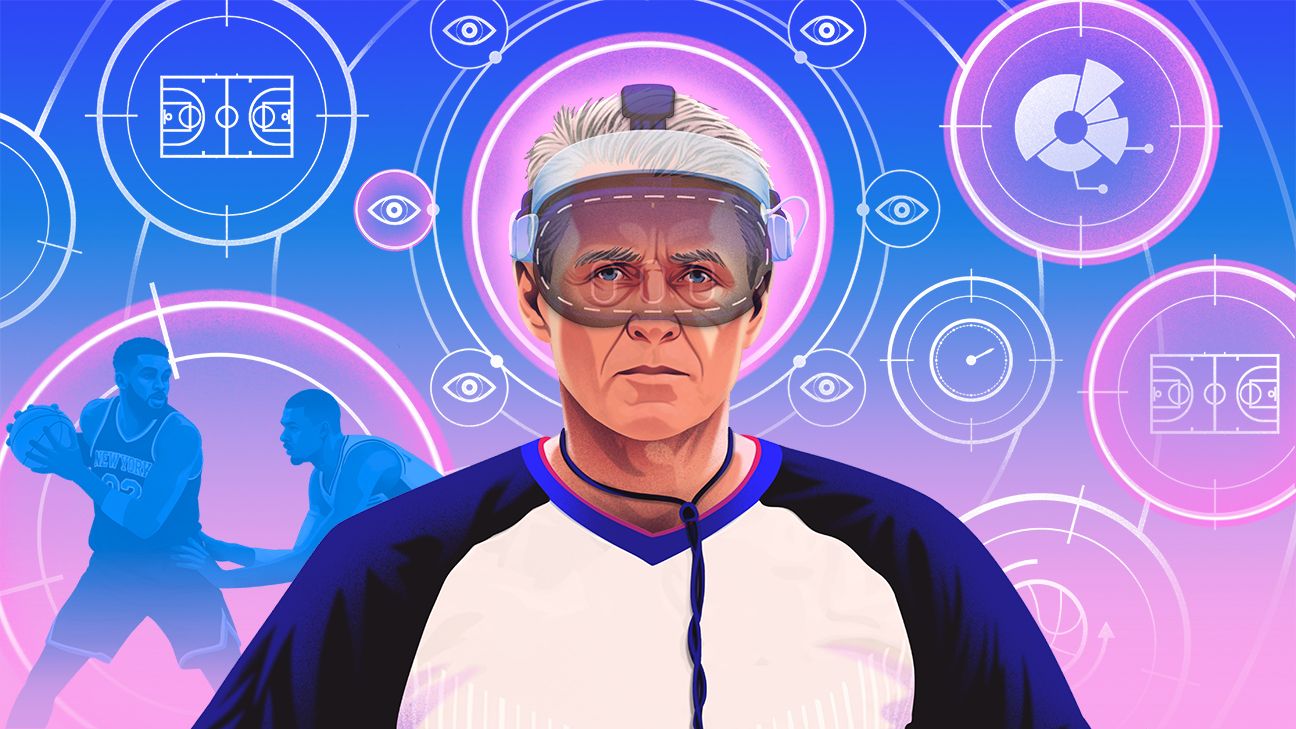
- Scott Foster uses a Meta Quest 3 VR headset to run cognitive priming drills before NBA games, tracking virtual orange balls among green ones to sharpen visual processing and focus.
- Dr. Joe LaPlaca founded Ares Elite Sports Vision, where he designs personalized eye-tracking programs for athletes and referees, likening the training to 'eye yoga' for brain and visual readiness.
- Marc Davis, a 28-year NBA referee veteran, incorporates 10-minute eye and reaction warmups into his pregame routine, emphasizing cognitive prep as essential as physical warmups.
- Tobii tracks eye movements such as fixation duration and saccades to measure decision-making and cognitive load, partnering with PING to develop putters that improve golfers’ 'quiet eye' focus by 23% on average.
- ViewMind aims to establish a brain vital sign using eye-based assessments, leveraging non-invasive eye-tracking tech to study neurological conditions through ocular behavior patterns.
- Cam Gray, a goalie coach and former pro player, uses Ares’ VR drills with hockey goalies to train rapid decision-making, peripheral awareness, and eye-target coordination under pressure.
- Ryan Ouellette, an Indy Fuel goalie, discovered an undiagnosed astigmatism through Ares’ testing, leading to corrective contacts that immediately improved his on-ice vision and performance.
Why it matters: Professional sports performance and brain medicine are converging on eye-tracking as a measurable proxy for cognition—referees and athletes gain sharper in-game focus, while medical researchers gain a scalable, non-invasive method to detect early neurological changes. The same metrics used to boost NBA officiating accuracy could help diagnose conditions like concussions or dementia years earlier.
Ask SkimNews


