Verstappen's F1 Future Hinges on June Engine Vote — SkimNews
Get the Sports newsletter
Daily sports — scores, transfers, the storylines from the leagues you actually follow. Free.
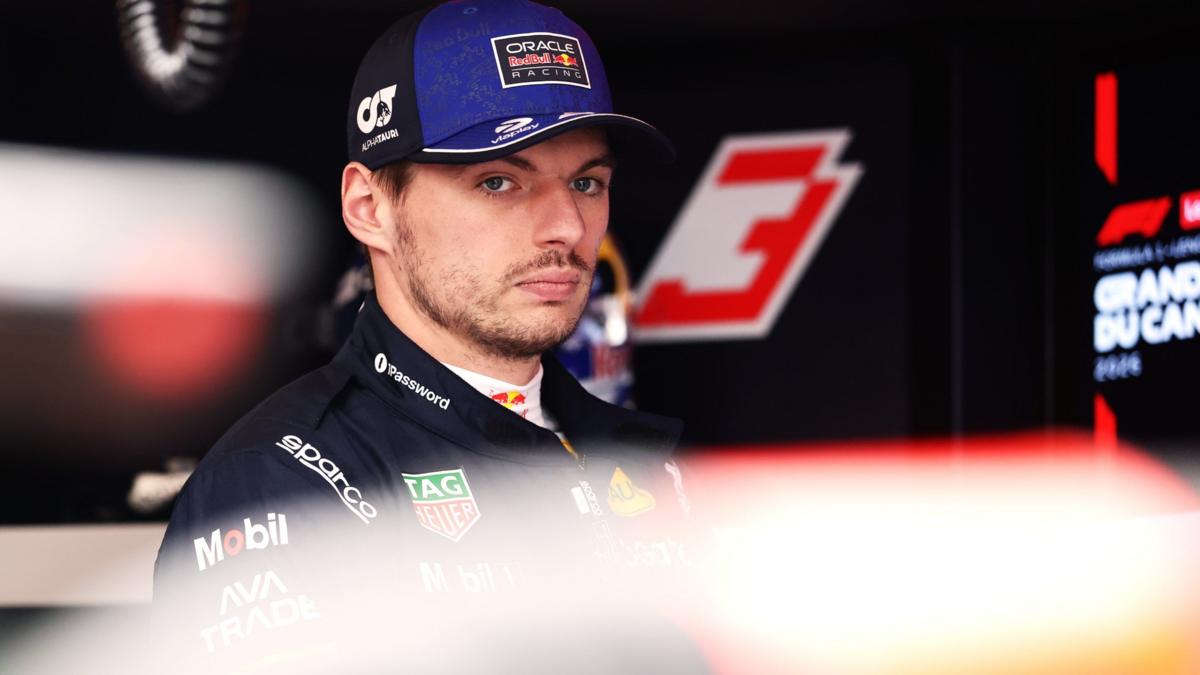
- Max Verstappen renewed his quit threat at the Canadian Grand Prix (May 2026), telling Sky Sports F1 the current energy-management driving style makes qualifying "anti-driving and anti-racing" and that flat-out racing should be the goal
- F1, the FIA and the teams agreed in principle on a 60-40 combustion/electrical split for 2027 that would eliminate lift-and-coast qualifying, but the change requires four of the six manufacturers on the Power Unit Advisory Committee to back it
- Mercedes and Red Bull are the only two manufacturers in favour of the 2027 changes, while Audi, Ferrari and Cadillac are against; Honda has not yet taken a stance, and even a Honda "yes" would leave the vote one short
- Ferrari opposes the change because it has the worst power unit among leading teams — at least two percent down on the benchmark — and stands to close the gap through the Additional Development and Upgrade Opportunities (ADUO) catch-up mechanism without a rule change
- Audi's stated objection is the additional cost of changing power-unit regulations while some teams want to carry over their current chassis into 2027
- The FIA has set an end-of-June 2026 deadline to confirm any 2027 changes so teams have at least six months to adapt; if the vote fails, the proposal would shift to 2028
- Verstappen ruled out a 2027 sabbatical with a 2028 return when asked in Canada, replying "No. There's a lot of other fun things out there" — putting his future squarely in the hands of the dissenting manufacturers
- Red Bull team principal Laurent Mekies said he is "optimistic" a majority will agree, but as of the Canadian Grand Prix the manufacturers were split 2-3 with one abstention
Why it matters: Ferrari is the swing vote: they have the worst power unit among leading teams (at least 2% below the benchmark) but gain through the ADUO catch-up mechanism without a reg change. The end-of-June 2026 deadline is hard — if three of six manufacturers hold out, the fix slips to 2028, and Verstappen has already said he won't wait.
Ask SkimNews