Trump to Beijing, Presses China on Iran, Hormuz — SkimNews
SkimNews Take
The U.S. strategy of sanctioning Chinese entities to pressure Beijing on Iran risks undermining the very "broader cooperation" it seeks to protect, creating a direct tension between its immediate and long-term goals.
Get the Geopolitics newsletter
Daily geopolitics — wars, elections, sanctions, the diplomatic moves that move markets. Free.
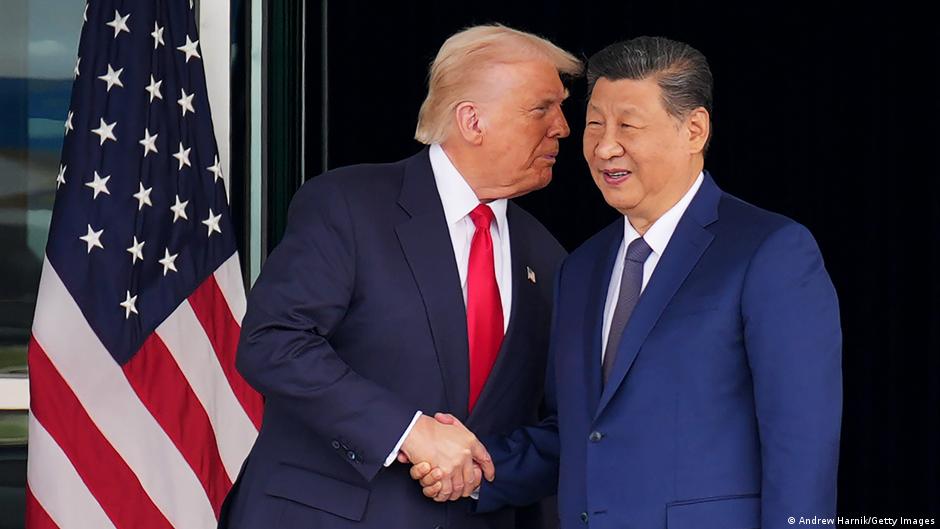
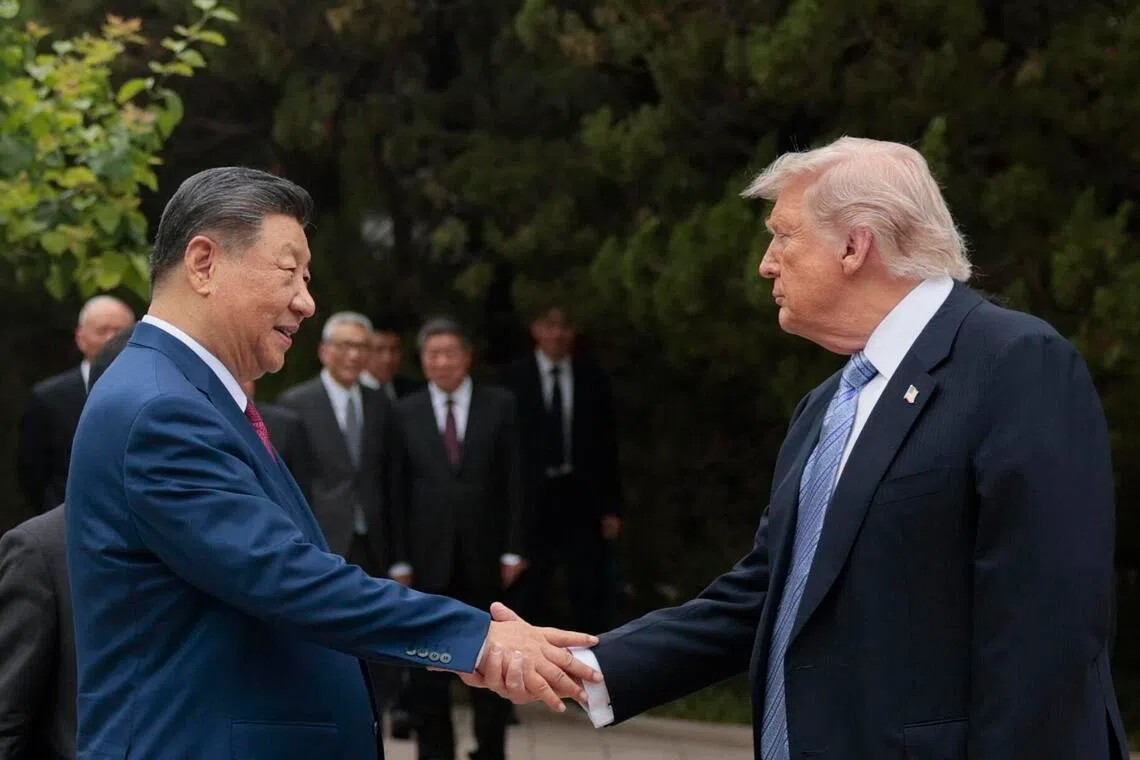
- Trump scheduled to travel to Beijing on Tuesday to meet Xi, after weeks of urging China to pressure Iran to end the war or reopen the Strait of Hormuz.
- U.S. Trade Representative Jamieson Greer said the administration wants to keep Iran differences from derailing broader US‑China negotiations at the summit.
- China publicly says it wants the war to end and has quietly signaled displeasure at Iran’s Strait of Hormuz closure and the U.S. blockade, while being risk‑averse about involvement.
- U.S. State Department sanctioned four entities, including three Chinese firms, for providing satellite imagery used by Iran to target U.S. forces.
- U.S. Treasury sanctioned Chinese oil refineries and shippers buying Iranian oil, cutting them off from the U.S. financial system.
Why it matters: By blacklisting three Chinese firms and several Iranian‑linked oil refineries, Washington cuts them off from U.S. finance, pressuring Beijing to sway Iran and potentially restoring the Strait of Hormuz, which carries ~20% of global crude.
Ask SkimNews