SEC Issues 5-Year Tokenized Securities Trading Exemption — SkimNews
Get the Finance newsletter
Daily finance — markets, central banks, M&A, the prints that move money. Free.
- The SEC issued a five-year "innovation exemption" letting tokenized securities venues (TSVs) list and trade tokenized stocks using automated market makers and liquidity pools without registering as exchanges, with platforms only needing to give notice before opening.
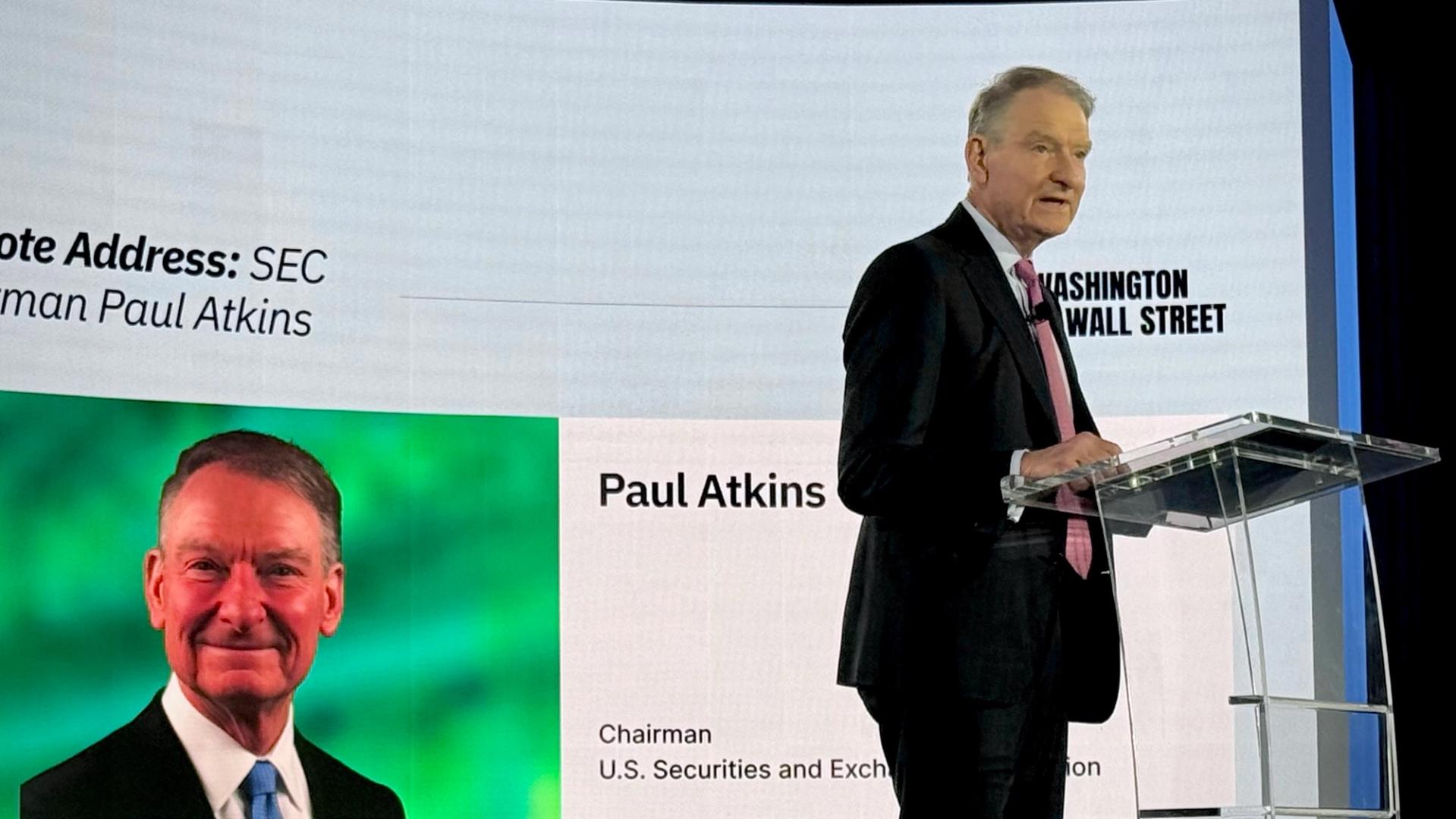
- SEC Chairman Paul Atkins framed the move as bringing America's capital markets into the digital age and acknowledged the temporary permit "must be followed by durable rulemaking" on onchain trading.
- The exemption excludes synthetic security tokens and derivatives — limiting it to tokens representing real ownership with the same dividend and voting rights as traditional securities — a carve-out that could sideline offshore products like Robinhood's.
- Securities issuers can block a TSV from tokenizing their offerings, with venues required to give the underlying company a 30-day notice window to object.
- The Digital Asset Market Clarity Act stalled in the Senate on Tuesday with only 49 of the 60 votes needed to proceed — clearing the way for Atkins to act under existing SEC authority after posting on X that the agency would "deliver certainty."
- Citi analysts estimated tokenized assets could grow into a $5.5 trillion market by 2030, a figure Atkins cited to underline why global banks and asset managers are pushing deeper into the technology.
- The SEC separately proposed its first major overhaul of transfer-agent rules in four decades on Sept. 1, explicitly accommodating blockchain-based recordkeeping of securities ownership.
Why it matters: The SEC is using its narrow exemption authority to greenlight U.S. tokenized stock trading after Congress failed to deliver a broader crypto market-structure law — and Atkins acknowledged any policy built this way could be reversed by future commissioners. Tokenized securities venues now have a five-year runway with a notice-only launch requirement, while issuers retain veto power over third-party tokenization of their own stocks.
Ask SkimNews