Norway, Finland Lead Europe Toward Ukraine Peace Talks — SkimNews
Get the Geopolitics newsletter
Daily geopolitics — wars, elections, sanctions, the diplomatic moves that move markets. Free.
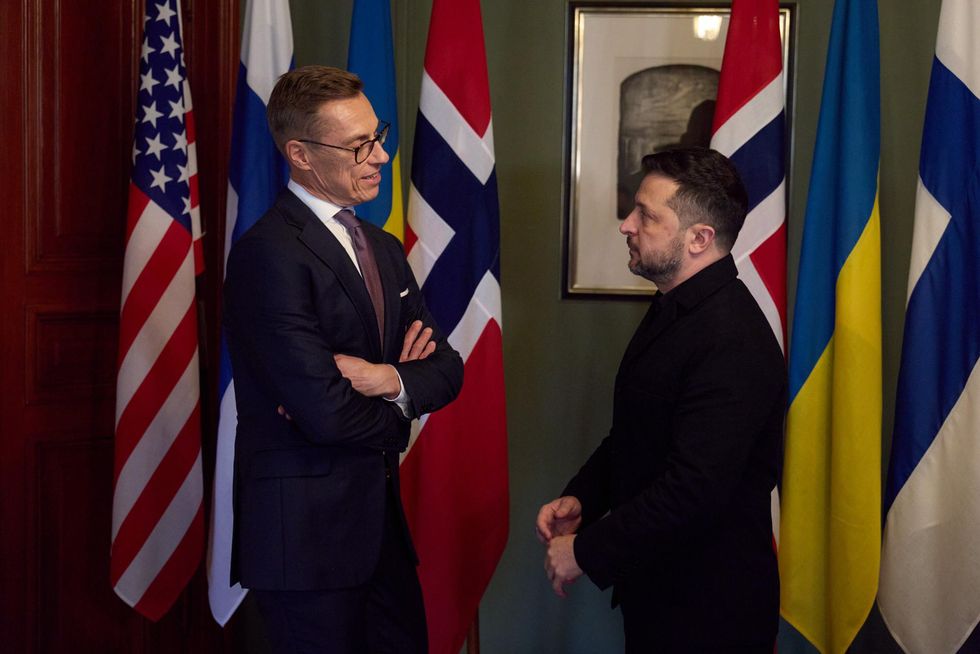
- Alexander Stubb said Tuesday's Oslo summit with President Zelenskyy and Norwegian Prime Minister Jonas Gahr Støre reflected "substantive progress" made "under the radar," while Støre stressed that "Europe has to be at the table" to secure a "lasting peace."
- Espen Barth Eide said at the Warsaw Security Forum that a peace agreement could secure a democratic, independent Ukraine integrated into the EU with 80% of its original territory, adding that Europe should lead diplomacy now that it is paying for the war.
- Kaja Kallas said Europe must pressure "the aggressor to stop the war, not the victim to surrender," and accused the Trump administration of trying to "push Ukraine into surrender" on "Putin's terms."
- Trump's administration greenlit Ukraine's intensified deep strikes on Russia in spring 2026, but those strikes failed to pressure Putin into a ceasefire; without U.S. intelligence and weapons supplies, Europe lacks the military leverage to continue the effort on its own.
- Europe has spent more on Russian energy imports than on weapons for Ukraine since the war began, while the EU has been unable to persuade Belgium to use Russia's frozen assets and many European states face sovereign debt crises as war costs mount.
- Ukraine faces chronic manpower shortages that have intensified forced mobilization and social strain, alongside a sea blockade, aerial bombardment and shortfalls in money and weapons as it appeals to Western allies.
- Volodymyr Zelensky said Ukraine, Russia and the U.S. have agreed to a three-way summit in November, and Putin's press secretary Dmitri Peskov cautiously welcomed the idea that Stubb could represent Europe in the talks.
Why it matters: The stakes are concrete: Ukraine, Russia and the U.S. have agreed to a three-way summit in November, and Peskov has already welcomed Stubb as Europe's possible negotiator. Europe's hesitation carries a measurable cost — the bloc has spent more on Russian energy imports than on weapons for Ukraine, while the EU has been unable to persuade Belgium to use Russia's frozen assets.
Ask SkimNews