After Iran Cease-Fire, Ship Traffic in Strait of Hormuz Remains Throttled

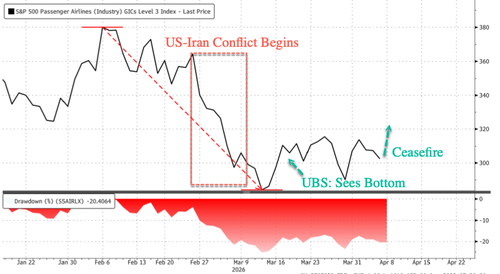
Why it matters: Oil prices plunged below $94 a barrel, on pace for the biggest drop since 2020, after the U.S. and Iran agreed to a cease-fire.
- Ship traffic in the crucial Strait of Hormuz remains throttled, with only a handful of vessels crossing since the U.S.-Iran truce began, due to wariness from shipowners and insurers.
- Iran is demanding crypto fees for ships passing through Hormuz during the ceasefire, according to the Financial Times and CoinDesk, adding a new layer of complexity to transit.
- Oil prices plunged below $94 a barrel, on pace for their biggest drop since 2020, immediately following the U.S. and Iran cease-fire agreement, though BBC Business notes prices continue to fluctuate ahead of Trump's Iran deal deadline.
- Gas prices are not expected to quickly return to prewar levels, even if the Strait of Hormuz fully reopens, according to NYT Business.
Despite a U.S.-Iran cease-fire, ship traffic in the Strait of Hormuz remains severely limited as shipowners and insurers are hesitant about safe passage, with Iran reportedly demanding crypto fees for transit. This uncertainty has led to significant oil price fluctuations, including a plunge below $94 a barrel, and suggests gas prices won't quickly return to prewar levels.