North Korea Fires Missiles After US-South Korea-Japan Drill — SkimNews

Get the Geopolitics newsletter
Daily geopolitics — wars, elections, sanctions, the diplomatic moves that move markets. Free.
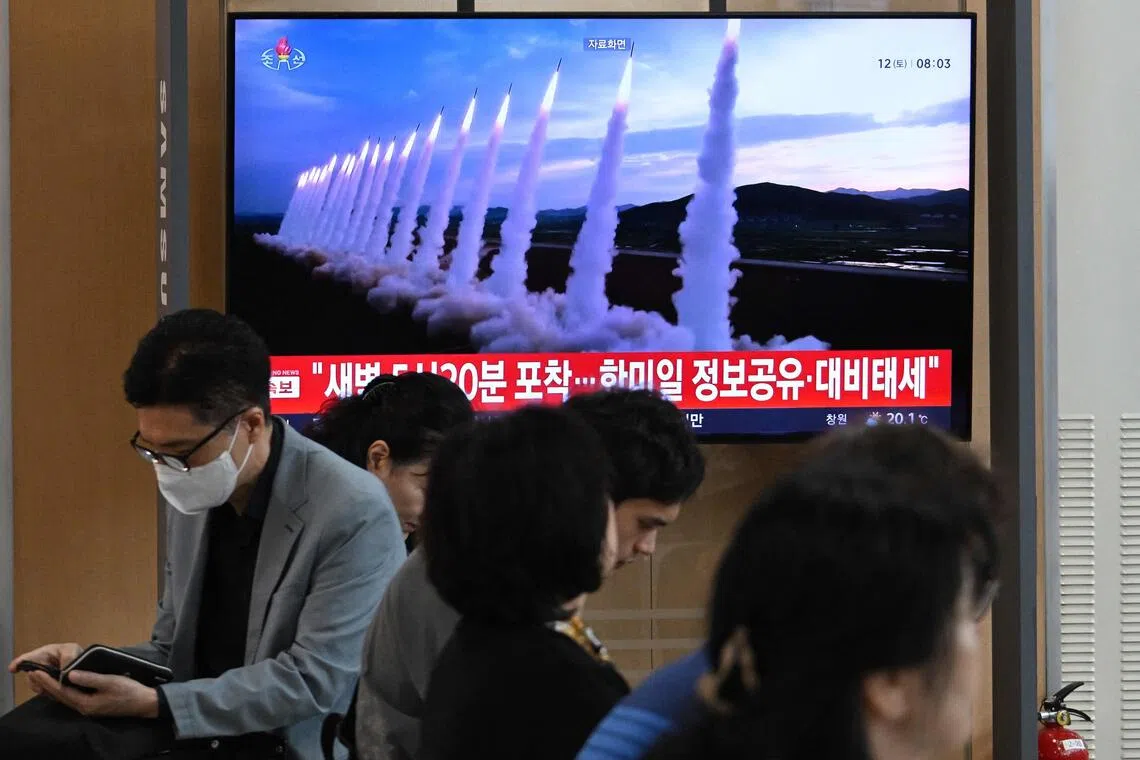
- North Korea launched several ballistic missiles toward the sea from its eastern coastal Wonsan area on Saturday, September 12, 2026, a day after the U.S., South Korea, and Japan ended their trilateral military drill.
- South Korea's military detected the launches, boosted its surveillance posture, and said it was closely exchanging information on the launches with the U.S. and Japan.
- The U.S. Pacific Command said the launch event does not pose an immediate threat to U.S. territory or its allies and reaffirmed U.S. commitment to defending the homeland and regional allies.
- South Korea's military described the five-day Freedom Edge exercise as defensive in nature, meant to enhance joint response capability against North Korean nuclear threats.
- North Korea's Defence Minister Kim Song Gi criticized the exercise hours after it began on Monday, September 7, 2026, warning that North Korea was capable of taking "strong and reflective countermeasures from the standpoint of power."
Why it matters: North Korea carried out the very "strong countermeasures" its defence minister had publicly telegraphed just five days earlier, confirming that Pyongyang's post-drill launches were a pre-stated response rather than spontaneous. For South Korea, Japan, and the U.S., the episode validates their framing of the Freedom Edge exercise as a defensive necessity while underscoring the tight cause-and-effect cycle between allied drills and North Korean provocations.
Ask SkimNews