Canada inflation hits 3.2% on Iran-driven gas prices

Get the Finance newsletter
Daily finance — markets, central banks, M&A, the prints that move money. Free.
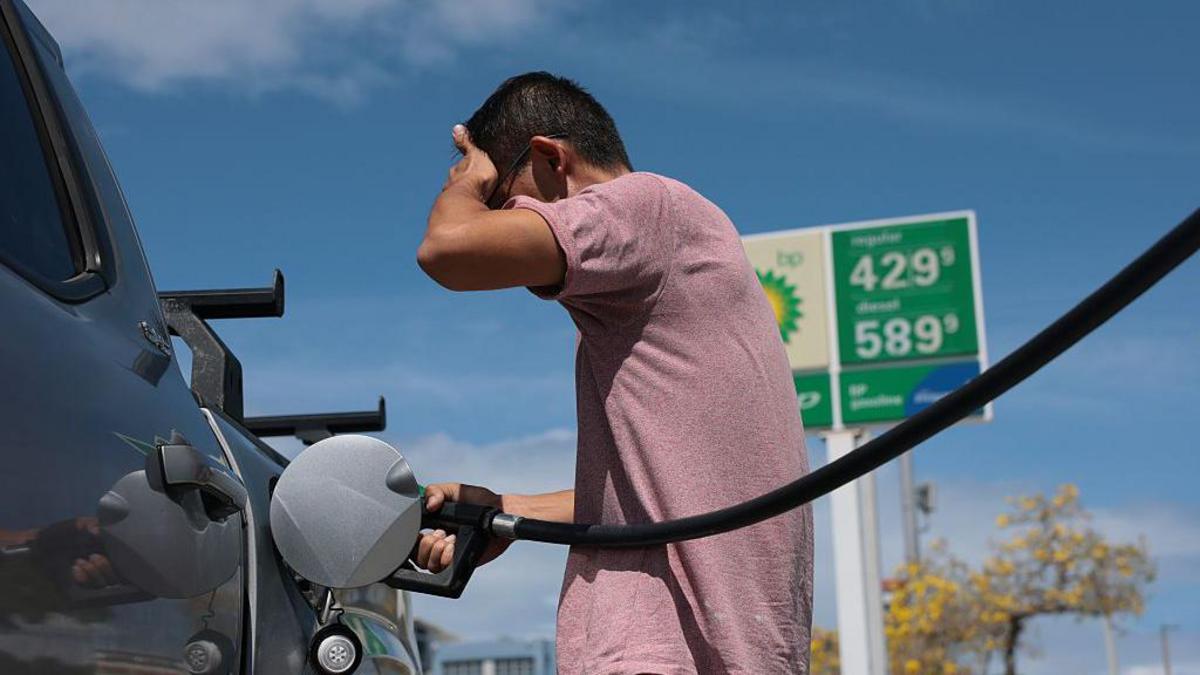
- Statistics Canada reported annual inflation jumped to 3.2% in May, up from 2.8% in April and the highest headline rate since December 2023, with gas prices up 33.2% year-over-year — the steepest level since June 2022.
- Air transportation costs rose 7.4% annually in May after declining in April, as jet fuel surcharges from the Iran war only now entering inflation calculations when flights are actually taken.
- Grocery inflation accelerated to 4.3% annually in May, outpacing the headline rate for a 16th straight month, with fresh vegetables up 5.5% (largest May increase since 2008) and tomato prices surging 45.2% on Mexican supply constraints and U.S. tariffs.
- Computer equipment and software prices rose 3.9% in May, with Statistics Canada citing supply crunches from AI data center demand on key inputs.
- Shelter inflation provided a partial offset, edging down to 1.7% year-over-year, while passenger vehicle and household equipment prices also grew more slowly.
- BMO's Doug Porter noted June is tracking a 10% gas price decline as U.S.-Iran peace talks progress, which "should clip the headline result next month" — a view shared by Capital Economics' Bradley Saunders, who called the fuel and food price effects temporary.
- Financial markets priced a 93% probability the Bank of Canada holds rates at its July 15 decision, with economists including CIBC's Andrew Grantham expecting no change through the rest of 2026.
Why it matters: The Bank of Canada heads into its July 15 rate decision with the highest headline inflation in over two years, but economists from BMO, CIBC, and Capital Economics agree the spike is largely a transitory energy shock from the Iran conflict — and with gas prices already falling 10% in June, the central bank has 93% market-priced cover to stay on the sidelines rather than restart hiking.