US Has Lost Institutional Capacity to Negotiate With Russia — SkimNews

Get the Geopolitics newsletter
Daily geopolitics — wars, elections, sanctions, the diplomatic moves that move markets. Free.
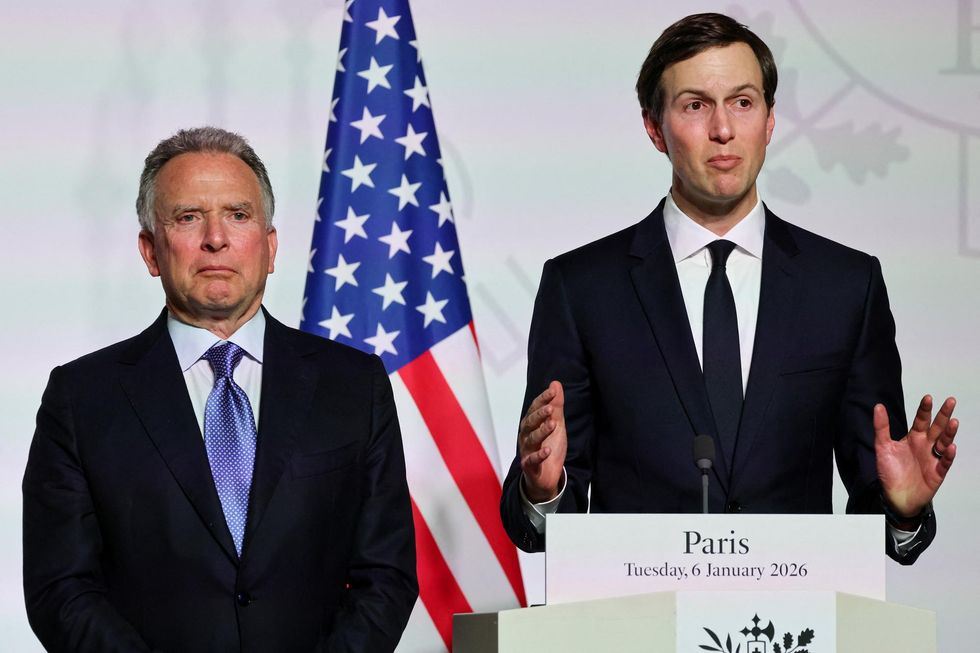
- Steve Witkoff and Jared Kushner traveled to Moscow and Kyiv to meet Putin and Zelensky after more than half a year of stalled U.S.-brokered talks, but the meetings produced no breakthrough on core issues.
- The article argues that U.S. diplomacy toward Russia has been "too episodic" for over a decade, especially since 2014, with Washington dismantling the commissions, working groups, and sustained channels once used to manage engagement with Moscow.
- Ambassador Rose Gottemoeller, who negotiated the New START treaty, described Russian counterparts as "crack negotiators" — well-trained, technically capable, and often with language advantages — while U.S. teams sometimes arrive with less bandwidth and experience.
- Once the Ukraine war ends, the U.S. and Russia will still need to negotiate on nuclear risk and strategic stability, outer space, the Arctic, pandemics, and disaster response — issues the article argues cannot rely on ad-hoc shuttle diplomacy alone.
- The article cites historical structured-dialogue models — the 1958 Lacy-Zarubin agreement, the Shultz-Shevardnadze "four-part" agenda covering arms control and human rights, the Gore-Chernomyrdin commission, and the Obama-Medvedev commission — as evidence both sides kept returning to institutional formats, even at Cold War lows.
- The article recommends four immediate steps even without a political thaw: debrief veteran negotiators through oral histories, run simulations with Russian institutional knowledge, rebuild the U.S. map of Russian officials, and maintain functional crisis-communications, nuclear-risk-reduction, and military-deconfliction channels.
Why it matters: The window between today's failed shuttle diplomacy and a future Ukraine settlement will determine whether the U.S. can staff structured negotiations on nuclear risk, the Arctic, and arms control — domains where Moscow remains a peer competitor. Veterans who sat across from Russian counterparts during Cold War-era structured dialogues are retiring, and the article argues Washington cannot afford to wait for a political thaw to rebuild that institutional muscle.
Ask SkimNews