Russia shared satellite imagery with Iran to strike US bases — SkimNews
Get the Geopolitics newsletter
Daily geopolitics — wars, elections, sanctions, the diplomatic moves that move markets. Free.
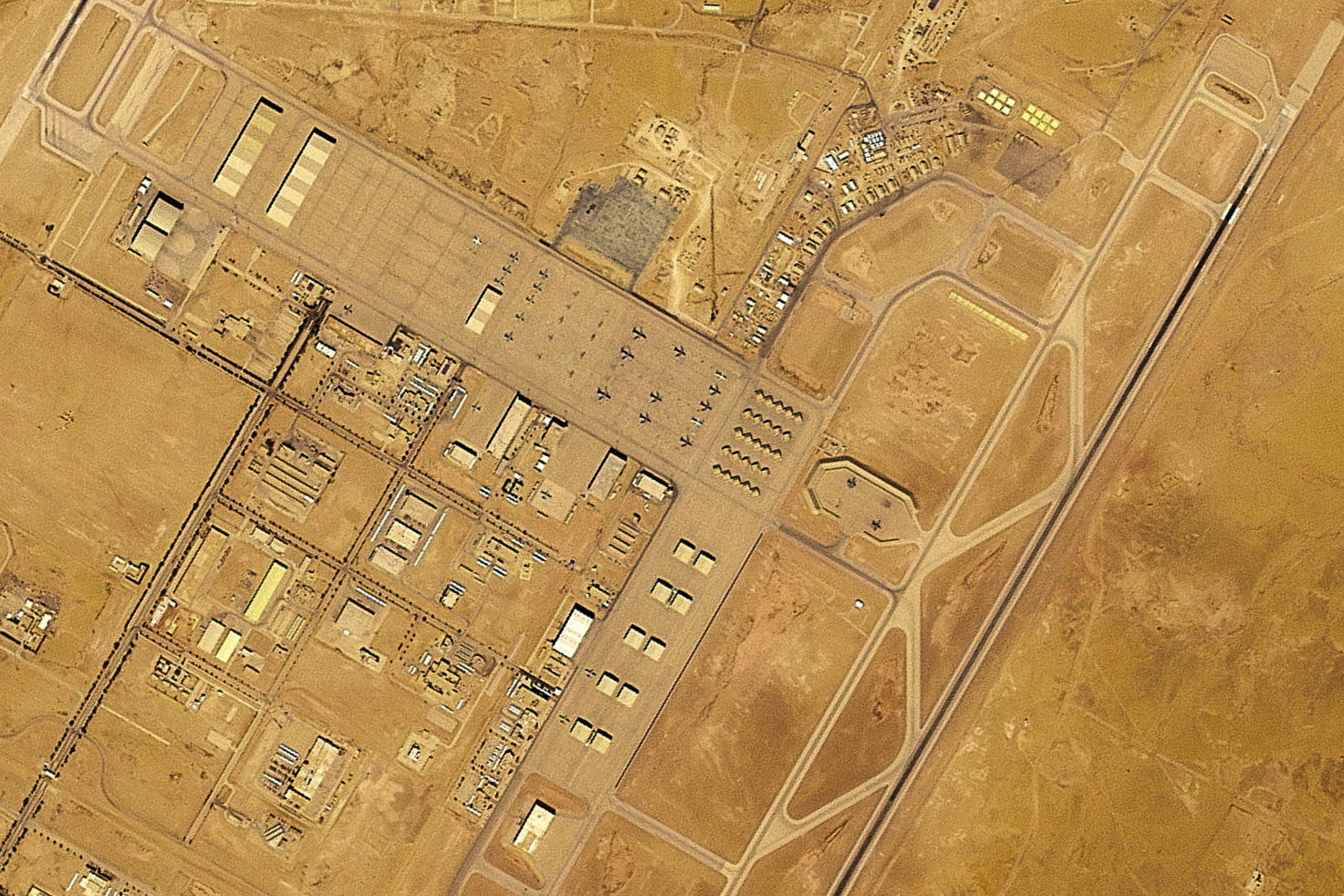
- Russia conducted at least 24 satellite imagery surveys of 46 "objects" across 11 Middle Eastern countries between March 21 and March 31, according to a Ukrainian intelligence assessment reviewed by Reuters.
- Iran struck surveyed military bases and headquarters with ballistic missiles and drones within days of the satellite passes, in what the assessment called "a clear pattern" of intelligence-to-strike sequencing.
- Saudi Arabia was the most heavily surveyed country, with nine passes including five over King Khalid Military City near Hafar Al-Batin — apparently to locate elements of the U.S.-made THAAD air defense system.
- Prince Sultan Air Base was imaged by a Russian satellite days before Iran struck it on March 27, destroying a U.S. E-3 Sentry AWACS aircraft; a Russian satellite passed over the same site on March 28 to assess the strike's impact.
- Kayhan Space, a U.S. space-tracking firm, said its orbital data analysis suggested Russian satellite activity over the Gulf region in late March "may have been more extensive" than the Ukrainian assessment detailed.
- Iranian and Russian hacker groups — "Handala Hack" (Iran) alongside "Z-Pentest Alliance," "NoName057(16)" and "DDoSia Project" (Russia) — coordinated via Telegram, jointly targeting Israeli energy companies and critical infrastructure.
- The Treaty on Comprehensive Strategic Partnership, signed by Putin and Pezeshkian in January 2024, provides in Article Four for intelligence services to "exchange information and experience" — the legal framework the assessment says underpins the satellite sharing.
- Marco Rubio was pressed on the issue by European leaders at a G7 meeting but did not respond to the accusations, two diplomats said, though he has publicly dismissed Russian aid to Iran as insignificant.
Why it matters: The assessment documents a systematic intelligence-to-strike pipeline — 24 satellite passes in 11 days across 11 countries, with Iranian attacks following within days — revealing the operational depth of Russian-Iranian military cooperation that the 2024 Strategic Partnership Treaty formalized. A Western military source and a regional security source independently confirmed the satellite activity and imagery sharing. The U.S. response, articulated by the White House and Rubio, has been to deny that the support affects operational success.
Ask SkimNews


