Vietnam, Philippines Join World Bank Upper-Middle-Income Tier — SkimNews
Get the Finance newsletter
Daily finance — markets, central banks, M&A, the prints that move money. Free.
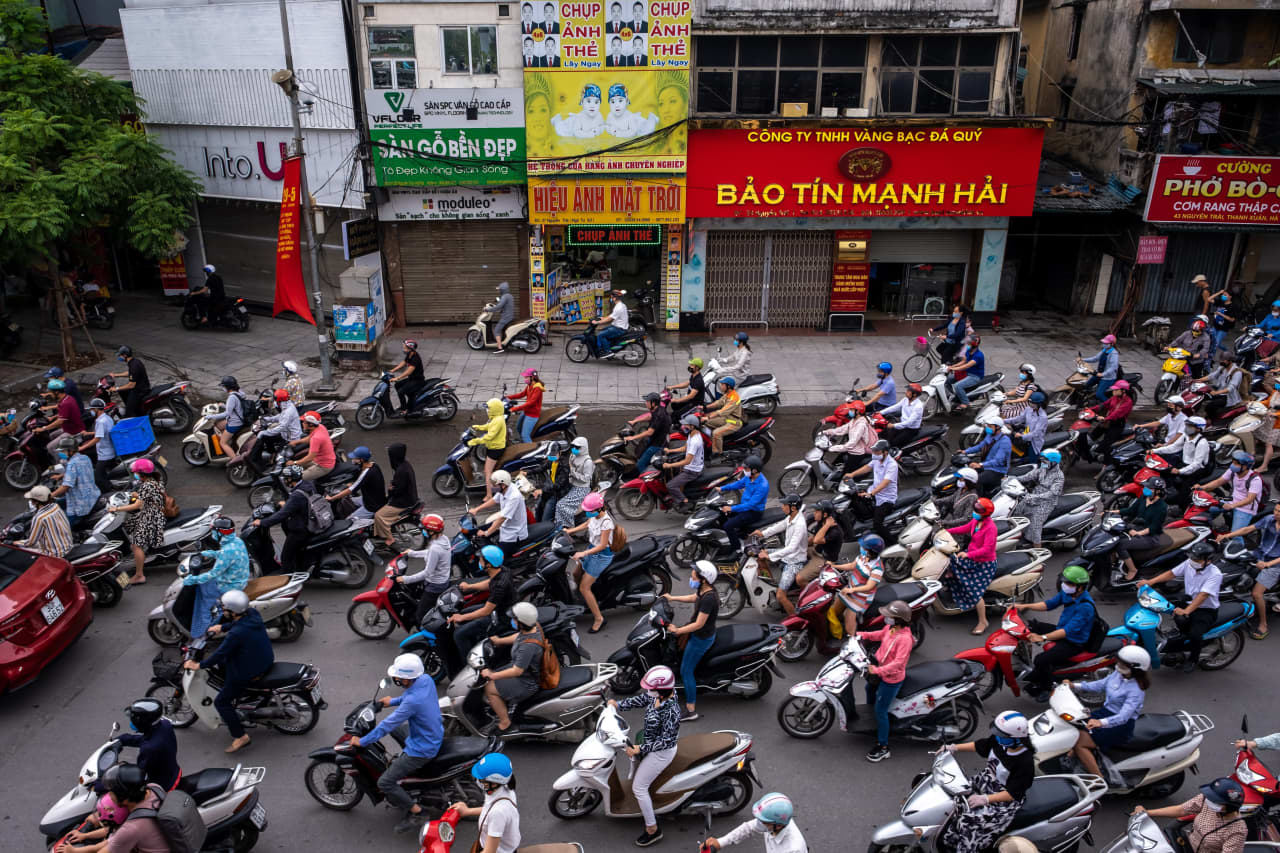
- Vietnam and the Philippines were upgraded to the World Bank's upper-middle-income status on July 1, ending Vietnam's 16-year run and the Philippines' decades-long classification as lower-middle-income.
- All five major Southeast Asian economies — Vietnam, the Philippines, Singapore, Malaysia, and Thailand — are now classified as upper-middle-income or higher.
- Vietnam's GNI per capita reached US$4,970 in 2025 and the Philippines' hit US$4,850, both clearing the World Bank's US$4,636 threshold for the category.
- The World Bank credited Vietnam's export-led growth model and the Philippines' broad-based expansion 'across all major industries, not a single sector boom, but an economywide shift.'
- Vietnam is targeting double-digit annual growth in 2026, fueled by business-friendly reforms and a major infrastructure investment drive.
- The Philippines simultaneously cut its growth targets for 2026 through 2030, citing Middle East tensions and an intense El Niño weather event.
- The upgrade may reduce access to concessional development funding, including below-market-rate World Bank loans the Philippines uses for infrastructure, disaster recovery, and social programs.
Why it matters: The Philippines relies on below-market-rate World Bank loans for infrastructure and disaster recovery, and the new classification means that cheaper financing pool will shrink — even as Manila just lowered its 2026–2030 growth targets over Middle East tensions and El Niño. Vietnam, by contrast, enters the upgraded tier with its growth ambitions accelerating toward double digits.
Ask SkimNews