Could the Big Ten turn to NFL-style scheduling model? Ohio State AD Ross Bjork hints at change — SkimNews
Get the Sports newsletter
Daily sports — scores, transfers, the storylines from the leagues you actually follow. Free.
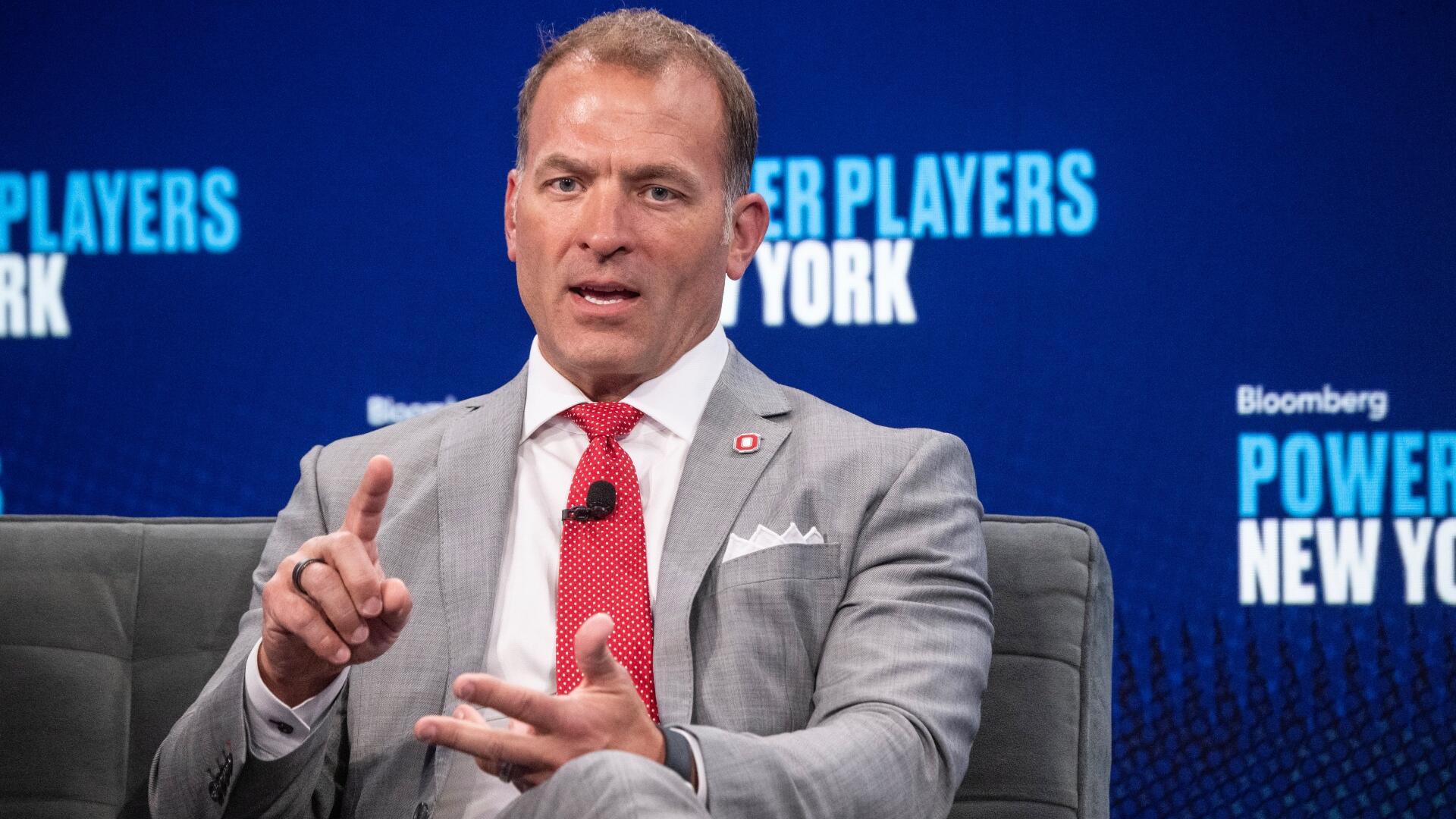
- Ross Bjork said the Big Ten is holding "active conversations" about changing how it schedules, pointing to the "a lot more parity" that NIL and the transfer portal have created across the league.
- Big Ten opponents would no longer be set in stone until after the prior campaign: changes could begin with the 2028 season, with schedules fixed only after the 2027 results are known.
- Ohio State–Michigan and other key rivalries would stay on the calendar every year, while weaker teams draw more favorable slates and stronger teams absorb tougher matchups under the results-based formula.
- Indiana and UCLA no longer fit the rotation built on historical football records that the Big Ten used when it expanded to include West Coast teams, Bjork said of the five-year-old model.
- NFL's formula depends on multi-year contracts for roster stability, but current NIL and transfer portal rules allow limitless player movement every offseason, creating more year-to-year volatility for a college model.
- Big Ten has already adopted what amounts to a salary cap in college athletics, and a results-based schedule would be its next step toward mimicking the NFL.
Why it matters: With changes beginning as early as 2028, Big Ten teams would learn their opponents only after the 2027 season, so Indiana and UCLA would no longer lock full slates years in advance. Weaker programs gain friendlier schedules, stronger teams absorb tougher matchups, and Ohio State–Michigan stays protected every year.
Ask SkimNews