Japan defence paper urges AI, drones to counter China

Get the Geopolitics newsletter
Daily geopolitics — wars, elections, sanctions, the diplomatic moves that move markets. Free.
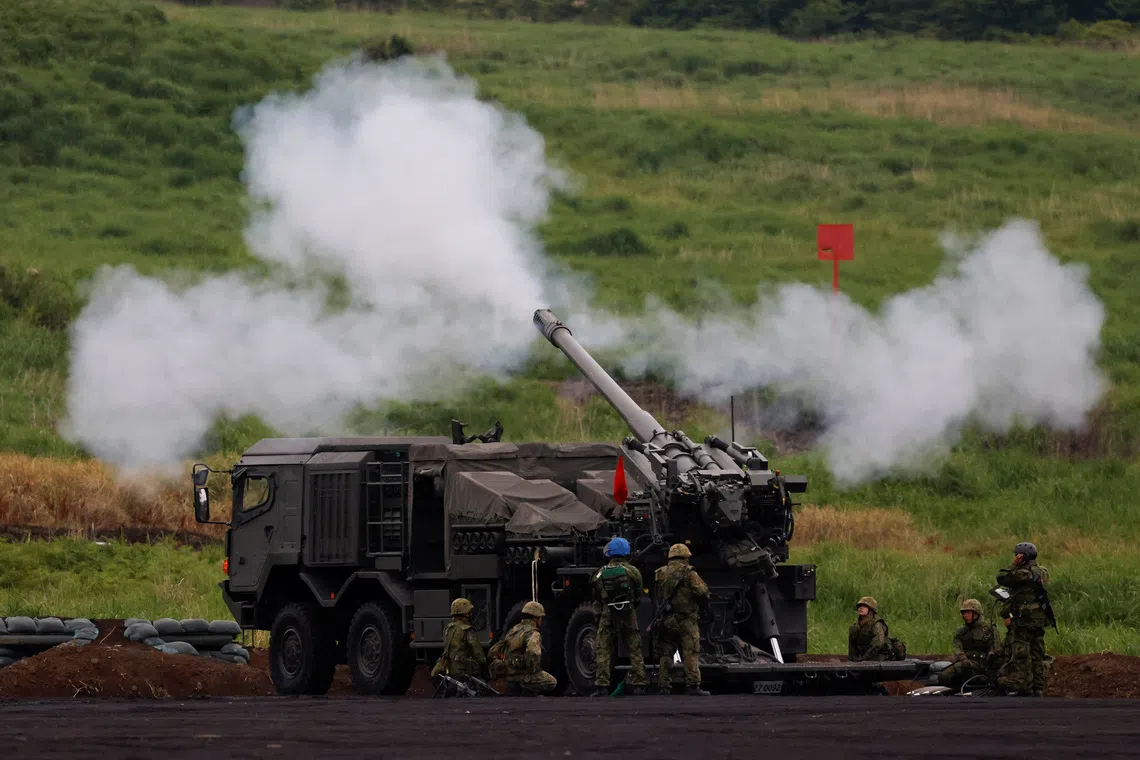
- Japan's 598-page defence white paper, adopted by the Cabinet on Tuesday, urges faster adoption of AI, combat drones, and long-range missiles, citing lessons from warfare in Ukraine and the Middle East.
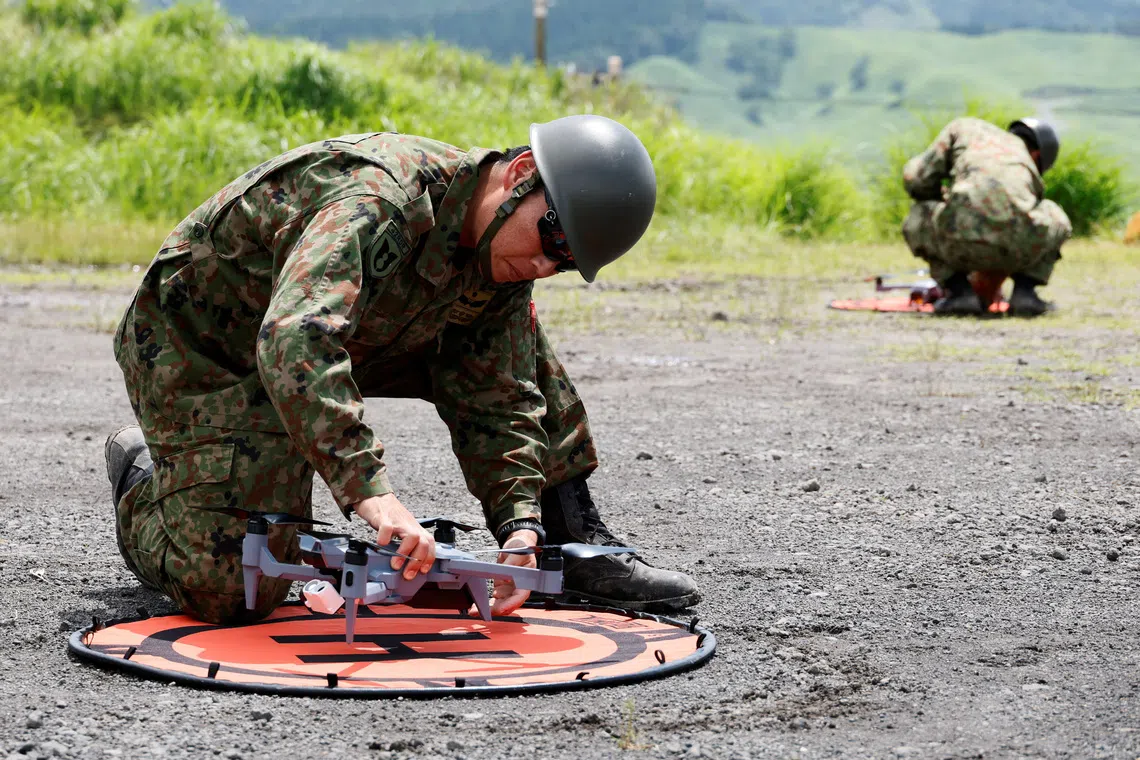
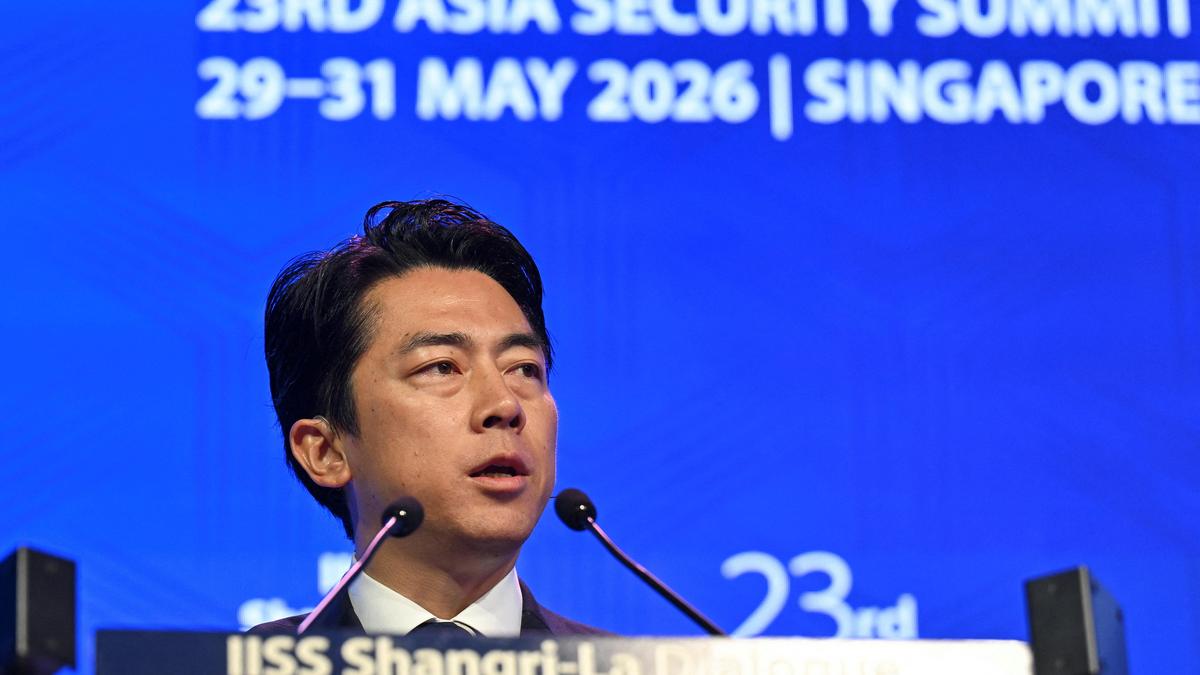
- Defence Minister Shinjiro Koizumi said "Speed is key" as the Acquisition, Technology and Logistics Agency selected four drone makers from 38 applicants, with naval testing due in early August before a final selection.
- The paper identified China as Japan's biggest strategic challenge, noting two Chinese aircraft carriers were spotted near Iwo Jima for the first time last June and that Chinese aircraft locked radar onto Japanese planes during carrier drills near southwestern Japan in December — a move Japan considers a possible preparation for firing missiles.
- China's Ministry of National Defence rejected the paper, with spokesperson Chen Xi calling it "rife with false narratives" and accusing Japan of using it as "an excuse to ease restrictions on its military buildup."
- The white paper flagged China-Russia joint bomber flights and warship operations around Japan as "a grave national security concern" and North Korea's hypersonic arsenal and deepening military ties with Russia as "an increasingly serious and pressing threat."
- Japan recently scrapped its ban on lethal weapons exports and struck a deal for joint development and transfer of 11 upgraded Mogami-class frigates to Australia, with similar talks underway with New Zealand and a deal to sell retired destroyers to the Philippines.
- Toshiba announced plans to jointly develop combat drones with startup Pro Drone, though the paper noted Japan's commercial drone market remains dominated by Chinese imports, complicating efforts to build fully homegrown drones.
Why it matters: Japan is moving beyond post-WWII pacifist restraint by scrapping the lethal weapons export ban and pursuing major arms deals with Australia, New Zealand, and the Philippines while compressing drone development timelines — 38 applicants narrowed to four, with navy testing in weeks — to counter China's expanding carrier activity near Iwo Jima and joint operations with Russia. A shrinking population makes unmanned weapons a demographic necessity, not just a technological choice.