Apple stock sinks as global memory crisis hurts profits, giving Ternus his first big test — SkimNews

Get the Finance newsletter
Daily finance — markets, central banks, M&A, the prints that move money. Free.
- Apple beat earnings and revenue expectations, including in its core iPhone unit, and projected current-period sales above estimates, but shares slid 3% Tuesday after the margin outlook.
- Kevan Parekh forecast a 45%-46% December-quarter gross margin, below the 46.3% analyst estimate, citing higher memory costs and the Siri AI ramp; the midpoint would be Apple’s lowest since fiscal Q4 2023 and a third straight quarterly decline.
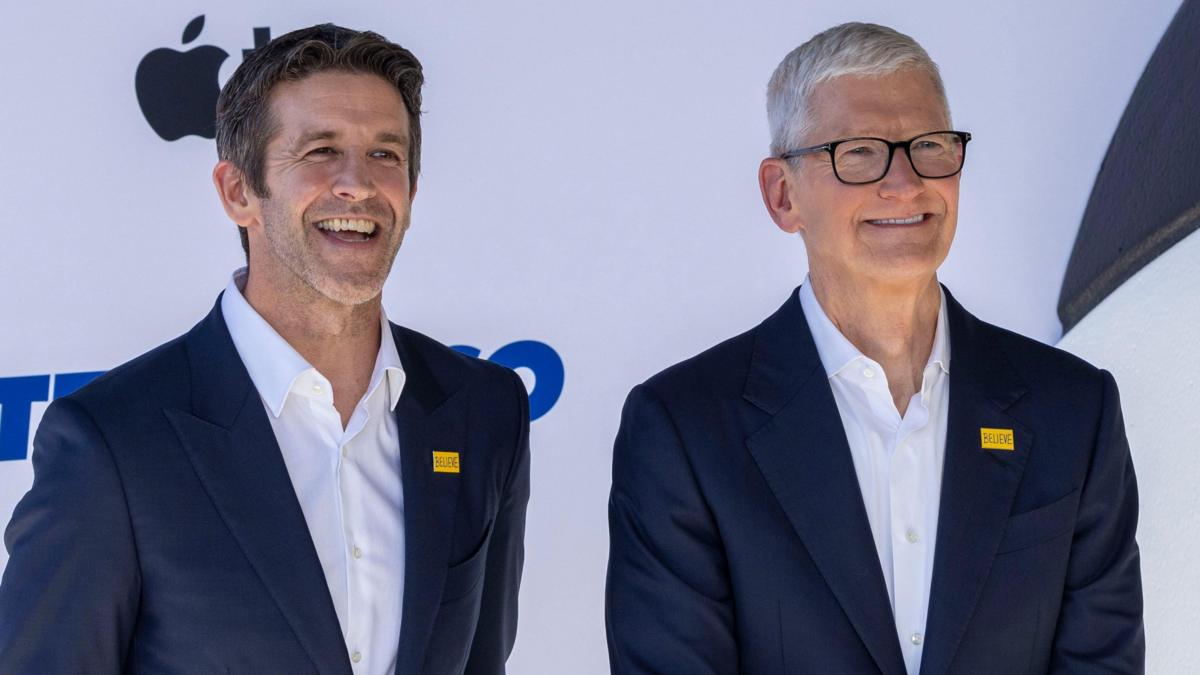
- John Ternus said memory pricing was ‘unprecedented,’ that Apple was paying more than earlier this year, and that memory-purchase pricing would continue increasing beyond December.
- Sabih Khan, one of the top lieutenants fielding component questions, was the first Apple COO on an earnings call since 2010; he said supply-chain flexibility is below normal, holiday iPhone and Mac constraints are primarily memory-driven, and purchase obligations rose $33 billion from June to September.
- Tim Cook called the memory situation a ‘hundred-year flood’ in June; Apple then raised prices on Macs, iPads and accessories and increased iPhone prices by $100 in September, which Ternus said it did reluctantly.
- Intel had its worst market day since the 1970s on a weak PC forecast, as Nvidia and hyperscalers bought available RAM at premium prices, leaving smartphone and tablet makers with less supply.
- IDC data cited by Ternus showed Apple gained global market share in the quarter and full fiscal year, while Apple sold more Macs in a fiscal year than ever before.
Why it matters: Apple enters the shortage with a cushion that some Windows PC and Android rivals lack: its services business has lifted gross margins well above the 38%-39% levels common under Cook, and analysts predict share gains as competitors face constrained supply. The immediate cost is equally concrete: a 45%-46% holiday margin outlook and purchase obligations that rose $33 billion.
Ask SkimNews