Trump grid order to delay, cancel battery storage: BNEF — SkimNews
Get the Energy newsletter
Daily energy & climate — solar, EVs, oil, the policy fights and tech bets shaping the transition. Free.
- Trump's executive order restricts foreign-made batteries, transformers, inverters and digital products from connecting to the U.S. power grid after its Aug. 26 effective date, and gives Energy Secretary Chris Wright discretion to impose conditions on equipment already procured or installed.
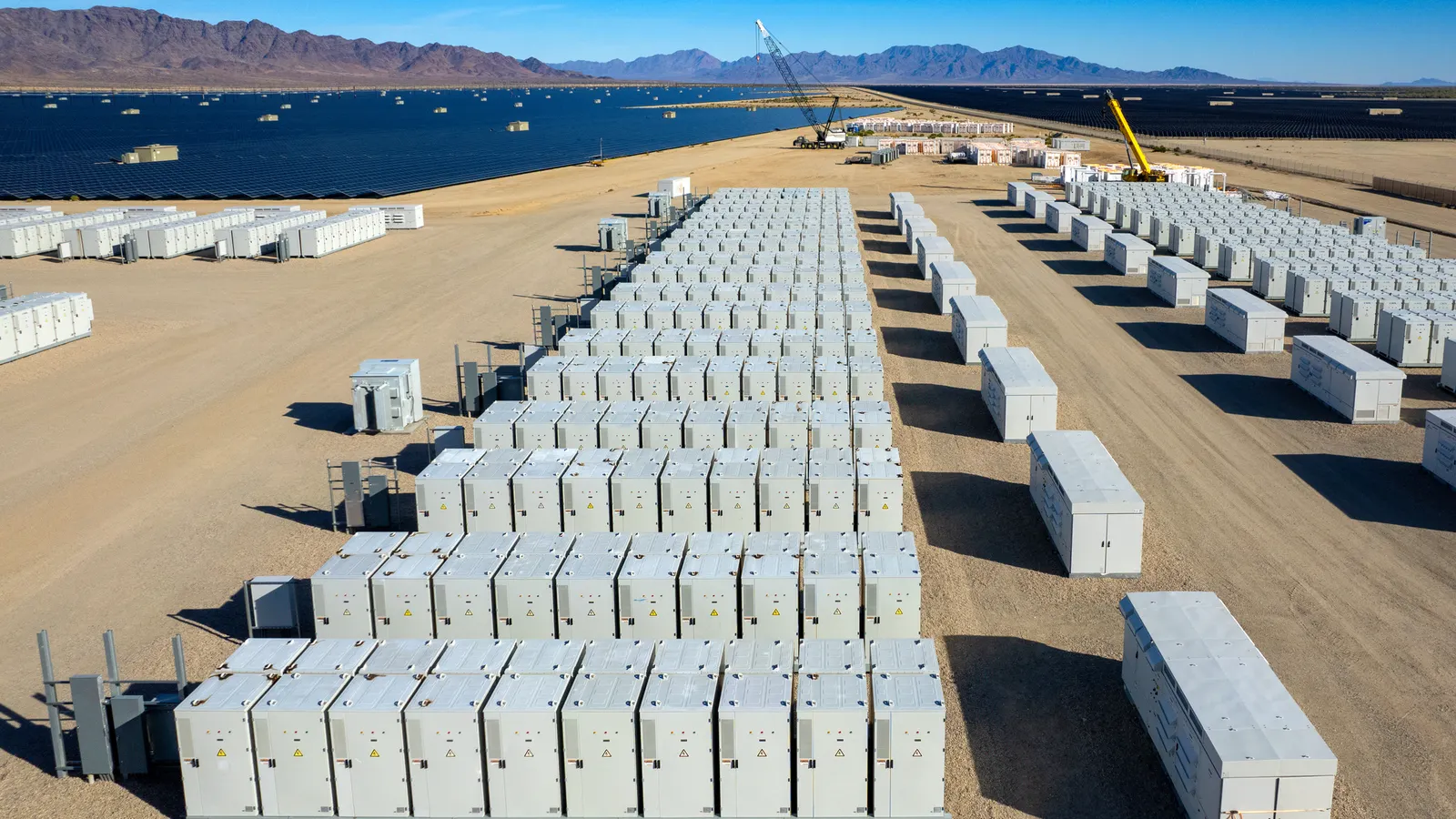
- BloombergNEF analysts said developers will likely delay many grid-scale battery projects while awaiting administration guidance, seeking alternative suppliers, or redesigning projects — and some projects made uneconomical by the loss of lower-cost Chinese imports will be cancelled altogether.
- China accounts for 80% of global lithium-ion battery supply chain production capacity per the International Energy Agency, and Chinese firms supplied roughly 40% of U.S. inverter volumes in 2025 from production hubs in India and Southeast Asia, per BNEF.
- The Aug. 26 order compounds the Foreign Entity of Concern rules finalized by the U.S. Treasury in February, which already limited reliance on Chinese-tied firms for federal tax credits under the One Big Beautiful Bill Act.
- BNEF analyst Zoe Zakrzewska said the new executive order "has the potential to be far more punishing" than the FEOC rules and "could likely be the nail in the coffin for Chinese battery and inverter manufacturers selling in the US market," because the order can shut those firms out entirely.
- National Electric Manufacturers Association head of regulatory affairs Bridget Bartol told Utility Dive there is "a need for a lot more clarity," particularly around software products, and expects extensive industry-administration dialog.
- Four battery plants have come online in the U.S. so far this year with more expected by year-end, which Zakrzewska said could partially offset the long-term impact as domestic and non-covered-country manufacturing capacity expands.
Why it matters: Battery storage developers face a binary choice: stall projects until Washington clarifies how the order applies, or absorb higher costs from non-Chinese supply chains — and BNEF expects outright cancellations for projects that pencil out only with cheaper imports. China controls 80% of global battery supply, so any lasting cutoff reshapes who wins U.S. energy storage contracts while four newly online U.S. plants try to scale up domestic alternatives.
Ask SkimNews