Do wind and solar farms tank home values? A 20-year study has an answer — SkimNews
Get the Energy newsletter
Daily energy & climate — solar, EVs, oil, the policy fights and tech bets shaping the transition. Free.
- Ball State University researchers analyzed Indiana home sales from 2004 through 2024, comparing prices before and after wind and solar projects came online and finding no statistically significant negative effect on sale prices near either technology.
- Wind analysis examined homes within five miles of turbines across three Indiana regions — Northwest, North Central, and East Central — with one East Central model suggesting 11.5% lower prices within one mile, a finding researchers could not distinguish from normal market variation.
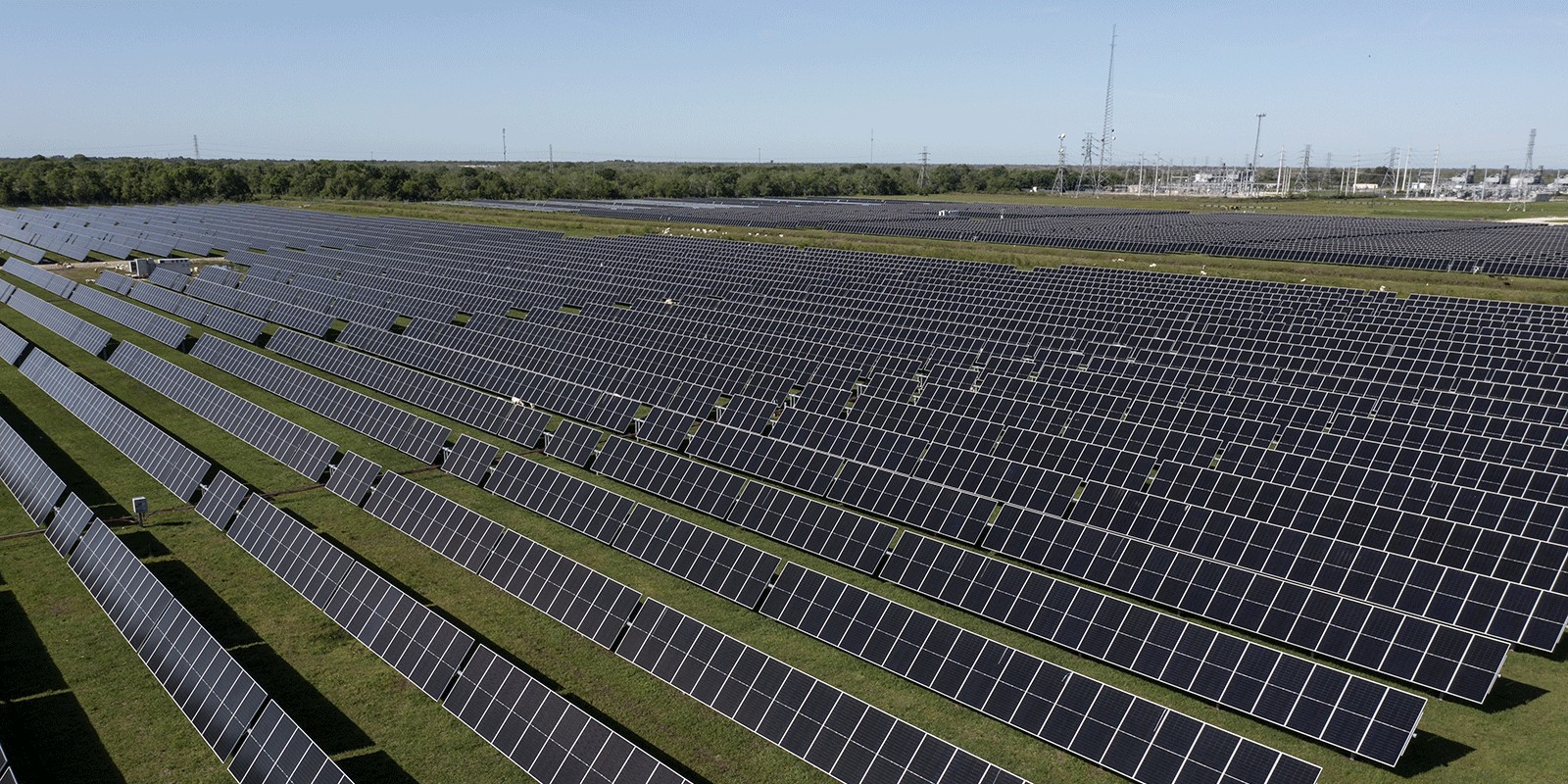
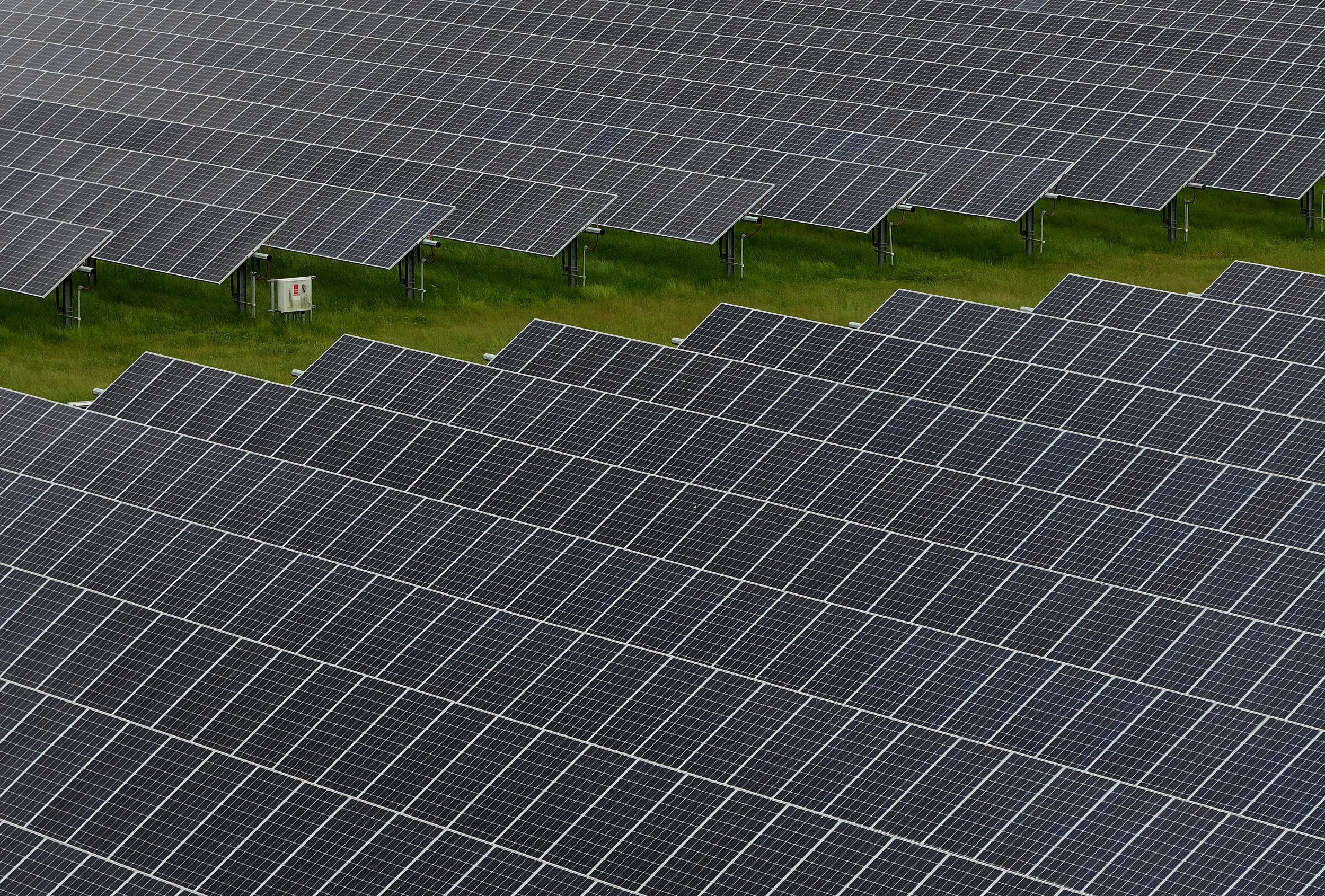
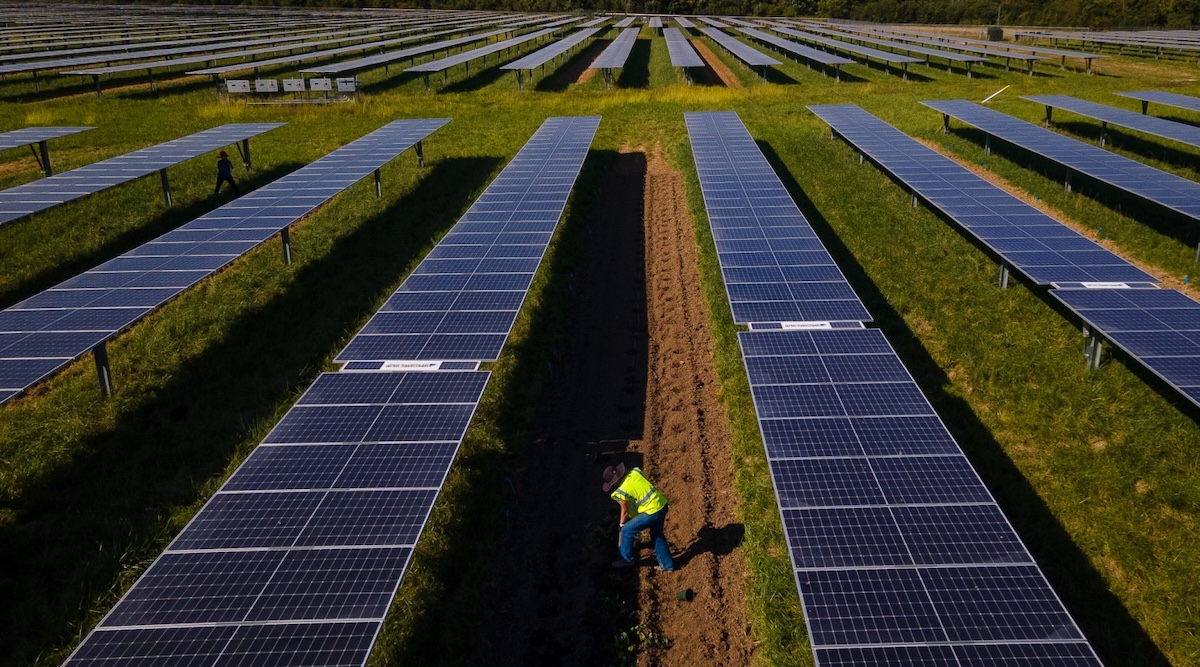
- Solar analysis compared homes within four miles of utility-scale projects; one set of models estimated 0.9% to 1.4% lower prices within half a mile, but those results again failed statistical significance tests, while homes near larger solar farms showed an initial 6.2% discount that did not hold up under further testing.
- Investor-owned utility solar projects bucked the negative direction entirely: homes within half a mile saw a 7.9% increase in sale prices after the projects came online, possibly reflecting better design, maintenance, or added local tax benefits, though researchers did not establish a cause.
- Project characteristics including size, rural versus urban location, proximity to brownfields, and the type of power supplier showed no consistent negative effect on Indiana home prices across the researchers' various models.
- Local context matters: as of September 2025, 40 of Indiana's 92 counties had bans or impediments affecting new wind development and 24 had restrictions on solar, according to research cited in the Ball State brief — siting rules and setbacks may help explain why no widespread value drop appeared.
- Dagney Faulk, director of research at Ball State's Center for Business and Economic Research, and Paul Niekamp, assistant professor of economics at Ball State, said the findings give Indiana-specific data for communities weighing renewable energy projects but do not rule out effects on any individual property.
Why it matters: The study directly undercuts a property-value argument that has driven local opposition to renewable energy in Indiana, where 40 of 92 counties already have wind restrictions and 24 have solar restrictions. Communities weighing siting decisions now have two decades of in-state sales data showing no widespread measurable decline — though individual homes can still be affected, and permitting rules and setbacks likely shaped the results.
Ask SkimNews