Trump-Xi summit wraps with Taiwan push, limited trade deals — SkimNews

Get the Geopolitics newsletter
Daily geopolitics — wars, elections, sanctions, the diplomatic moves that move markets. Free.
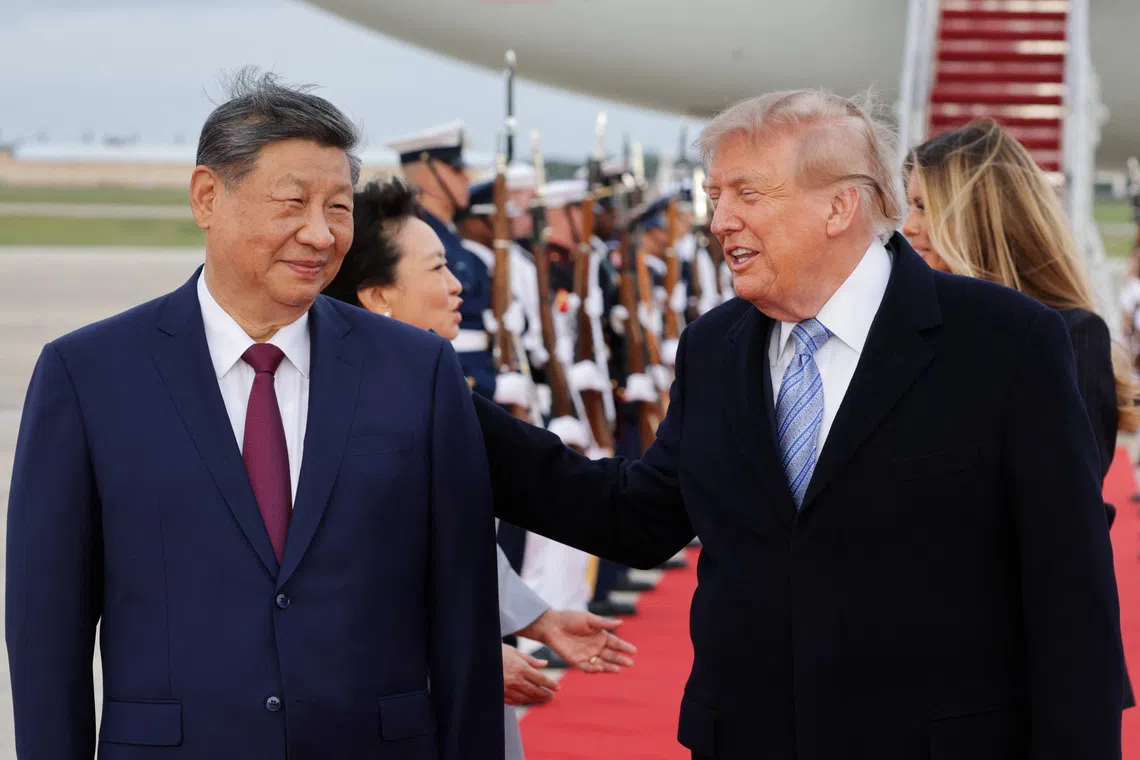
- The Trump-Xi summit concluded at the National Archives on September 25, 2026, where both leaders reviewed the Declaration of Independence, Constitution, and Bill of Rights; analysts noted Xi may be keen to see records relating to the U.S.'s 1979 switch of diplomatic recognition from Taiwan to communist China.
- U.S. Trade Representative Jamieson Greer told CNBC that limited bilateral agreements — including exemptions for U.S. agricultural products and medical device exports to China and imports of consumer and non-sensitive goods — would be released on Monday, calling it a "managed trade situation."
- Xi Jinping publicly pressed Trump on Taiwan, saying he hoped the U.S. would "handle the Taiwan question with prudence" and "adhere to the correct position of opposing 'Taiwan independence'"; Craig Singleton of the Foundation for Defense of Democracies warned that Beijing may treat Washington's existing restraint on arms sales as a new baseline rather than a temporary pause.
- The Trump administration approved an $11 billion arms sale package to Taiwan in December and is holding a separate $14 billion package in abeyance, which Trump described after his May summit as a "very good negotiating chip."
- Senate Democrats criticized the summit, saying Trump failed to secure meaningful concessions on trade, security, artificial intelligence, or human rights, and called for the immediate delivery of approved military aid and arms sales to Taiwan.
- Trump told reporters he and Xi discussed Iran and predicted "I think we're going to do great," while Beijing has denied U.S. allegations of helping Iran's leaders in the conflict Trump launched in February.
Why it matters: Xi secured a public U.S. hearing of his Taiwan 'adherence' language while U.S. farmers await Monday's trade details and $14 billion in pending Taiwan arms sales remains on hold. Senate Democrats charge the summit produced no meaningful concessions on trade, security, AI, or human rights — leaving Washington's Asian allies to read whether arms-sales restraint is now baseline policy.
Ask SkimNews