Tesla's Rare-Earth-Free Motor: Real Win or Hype? — SkimNews
Get the Energy newsletter
Daily energy & climate — solar, EVs, oil, the policy fights and tech bets shaping the transition. Free.
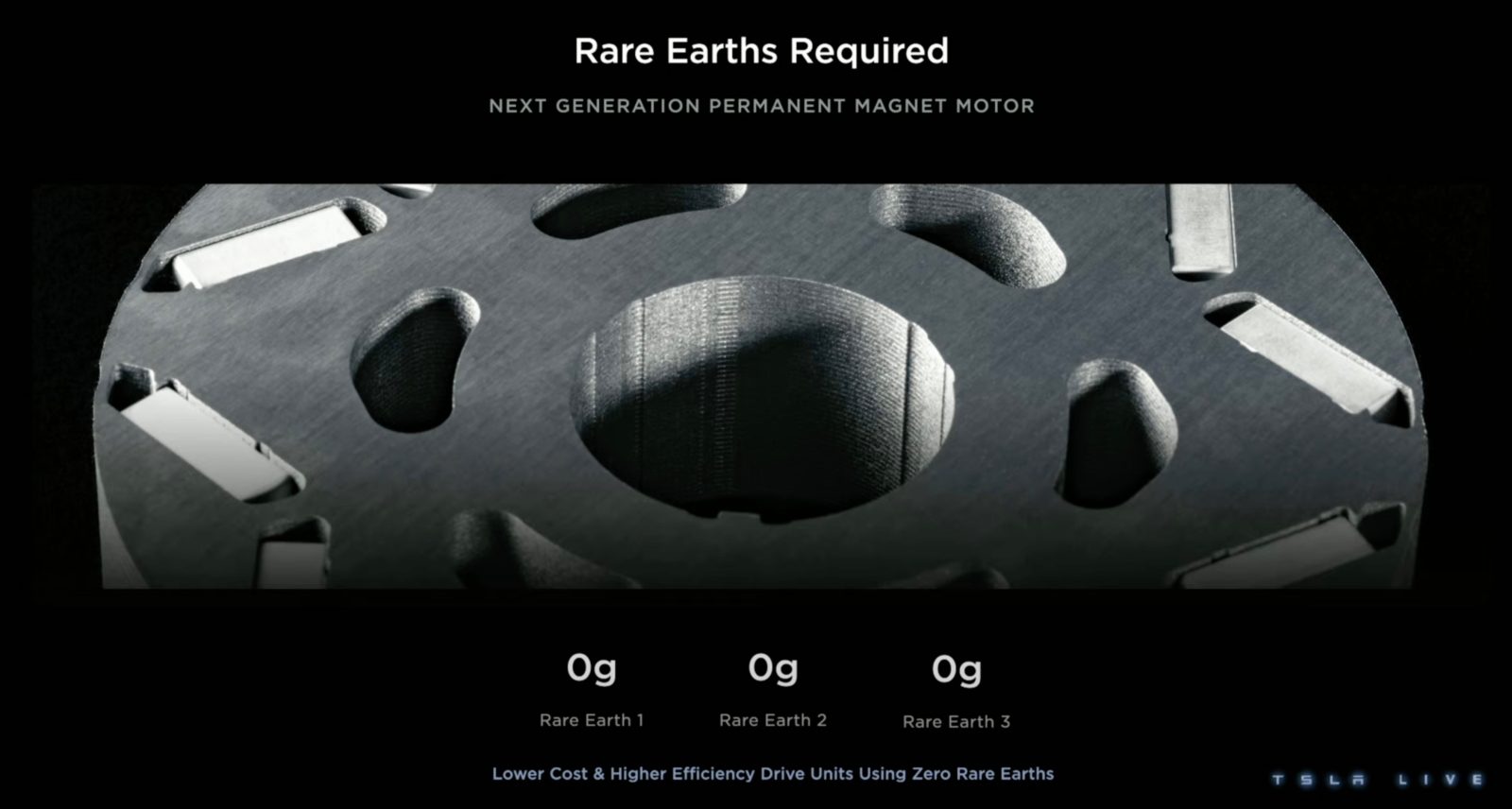
- Tesla unveiled a rare-earth-free permanent magnet motor for the Cybercab, claiming it is 18% smaller, 25% lighter, and more efficient than prior top-performing drive units
- Elon Musk confirmed via Twitter (not attending the event in person) that the new Cybercab motor uses no rare earth metals
- Tesla originally used AC induction motors—named after inventor Nikola Tesla—before switching to permanent magnet motors with the Model 3, and announced in 2023 a push to eliminate rare earths from those magnets, likely using iron ferrite or aluminum-nickel-cobalt
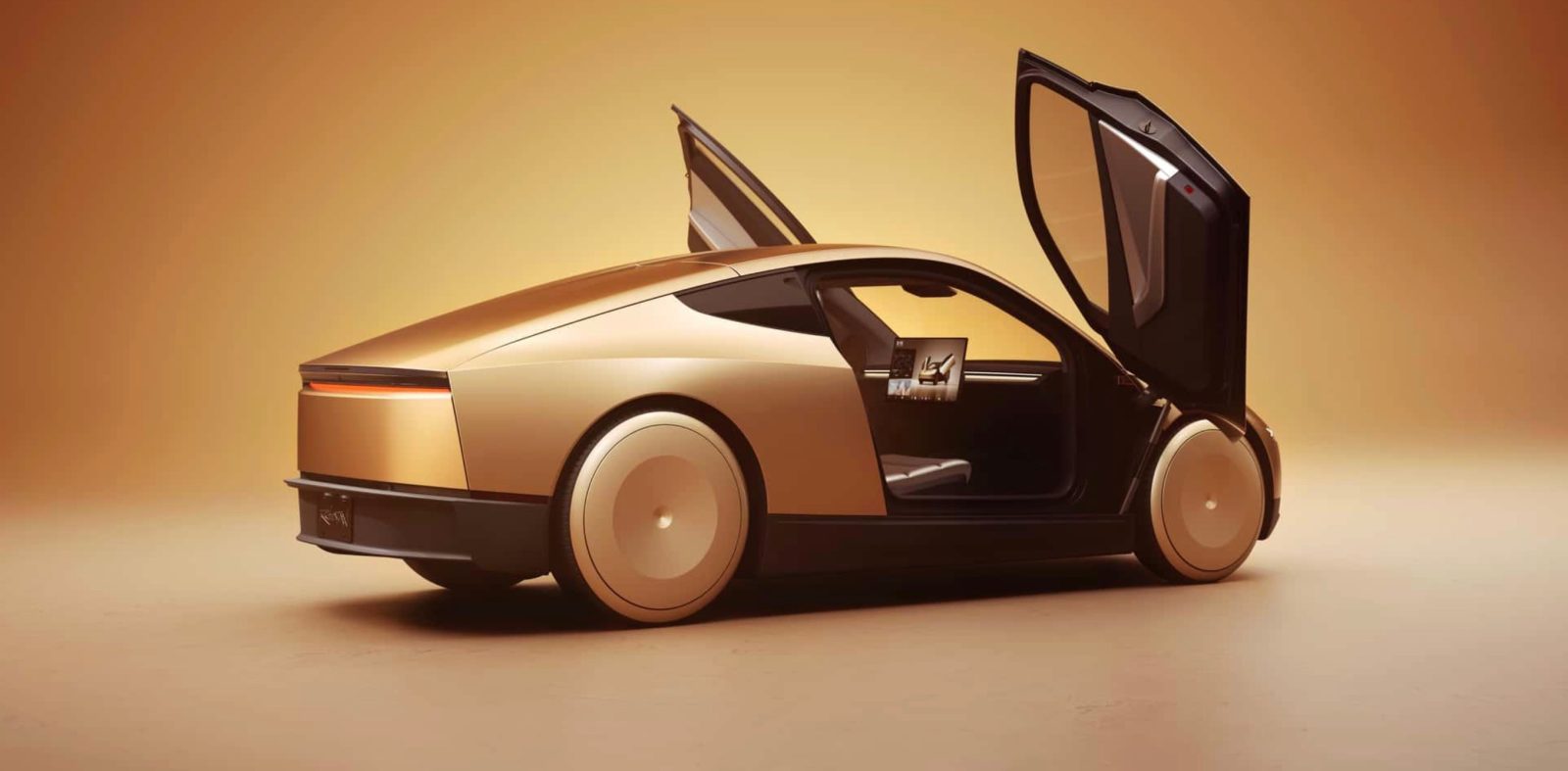
- The Cybercab is certified at 165 Wh/mi, described in the source as the most efficient electric car on the road, aided by small size, aerodynamic design, light weight, and the new motor
- China controls most of the world's rare earth processing and recently imposed export controls, which the source identifies as the real driver behind the industry's pivot away from rare earths
- An EV motor uses only about 1kg of rare earth elements, and since EV motors already convert more than 90% of input energy into torque, the source characterizes the efficiency gain from the redesign as relatively minor
- Tesla currently has roughly 45 Cybercabs registered for use in Texas, underscoring that the new motor remains a pilot-scale demonstration rather than a fleet-scale deployment
Why it matters: Tesla's rare-earth-free motor delivers measurable packaging and efficiency gains, but the deeper shift is supply-chain-driven: China's tightening grip on rare earth processing gives automakers an urgent reason to redesign motors. With only ~45 Cybercabs registered in Texas, this is still a pilot-scale bet, not yet a fleet-scale material break from China's rare earth dominance.
Ask SkimNews