China Probes Nvidia RTX PRO 5500 Orders From Tech Giants — SkimNews

Get the Tech newsletter
Daily tech — startups, AI labs, chips, the launches that shape the next decade. Free.
- China's MIIT has asked ByteDance, Alibaba and Tencent to disclose their plans to purchase Nvidia's RTX PRO 5500 processors, according to The Information, with ByteDance alone considering buying roughly one million units.
- Nvidia plans to begin shipping the RTX PRO 5500 to China in late December at approximately 500,000 units per quarter, according to the report.
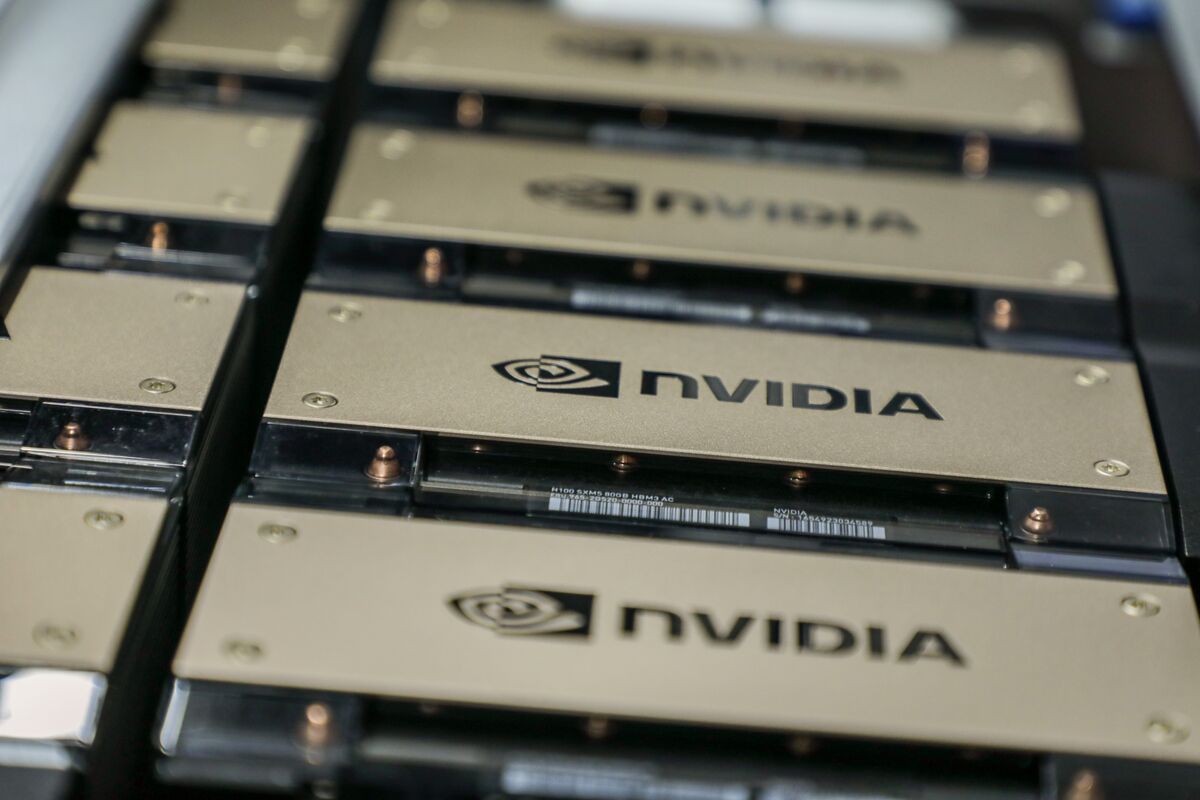
- The RTX PRO 5500, launched September 14, carries 84GB of GDDR7 memory with error-correcting code and 21,760 cores matching the consumer GeForce RTX 5090 — powerful enough for inference on open-source models such as Meta's Llama 3.3 and Alibaba's Qwen2.5-72B but not for training cutting-edge models.
- Nvidia CEO Jensen Huang was among 134 guests at the White House state dinner Trump hosted for Xi Jinping on September 23-25, following a July announcement of a fully compliant RTX PRO GPU for China.
- Beijing blocked Nvidia's older H200 chip at customs in January and by August had allowed only about 10,000 units each to ByteDance and Tencent — far short of the 75,000 each was licensed to buy — while steering firms toward Huawei's Ascend chips.
- Huawei rotating chairman Eric Xu told the Huawei Connect conference in Shanghai on September 17-19 that the company's AI computing production cannot yet meet domestic demand and that Huawei will not expand overseas at scale in the short term.
- A CWW.net.cn columnist argued the RTX PRO 5500 sits just below the US export control red line while remaining powerful enough for real applications, allowing Nvidia to extend the CUDA software ecosystem that Chinese chipmakers have been trying to lure developers away from.
Why it matters: A potential ByteDance purchase of about one million RTX PRO 5500 chips would extend Nvidia's CUDA software lock-in across China's AI developer base while Beijing steers firms toward Huawei's Ascend platform, which Huawei itself says cannot yet meet domestic demand — making the Nvidia chip a transitional bridge that delays Chinese switching to domestic alternatives.
Ask SkimNews