F1 heat hazard declared for fourth time this season — SkimNews

Get the Sports newsletter
Daily sports — scores, transfers, the storylines from the leagues you actually follow. Free.
- Formula 1 declared the Singapore Grand Prix a heat-hazard race for the fourth time this season and the second weekend in a row, following the Bahrain Grand Prix in Malaysia
- The heat-hazard rule, first introduced in 2025, activates when temperatures are forecast to exceed 31°C and permits teams to fit driver cooling vests; drivers who opt out must carry 5kg of ballast
- Max Verstappen said he will not use the cooling vest: "it's not sauna," he said, adding that the cables "limit your movement" and that the system "doesn't work anyway for one and a half hours"
- Charles Leclerc said the vest only functions effectively for "15-20 laps" before temperatures revert to vest-less levels, and acknowledged drivers "leave something on the table" from mid-race onward due to dehydration
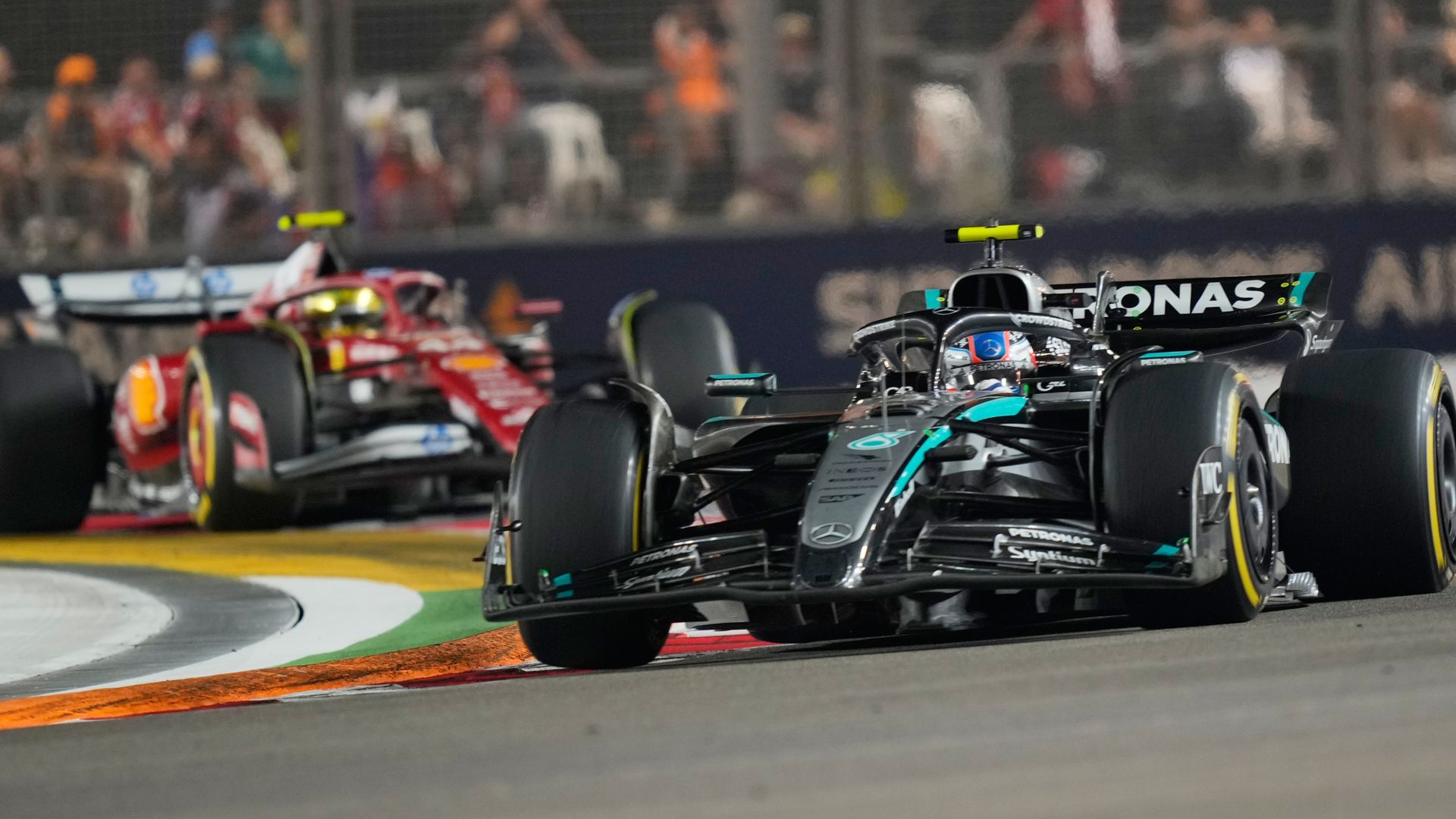
- Mercedes opted out of running the system; deputy team principal Bradley Lord called the FIA's $50,000 (£38,000) cost-cap allowance "small" and said the team preferred to invest those resources in car performance
- Singapore races at ambient temperatures of 31-33°C even after dark and is the longest race on the F1 calendar, with cockpit temperatures sometimes exceeding 40°C; the FIA also offered an extra $75,000 (£57,000) allowance for a comfortable cooling top
- In 2024, George Russell and Lewis Hamilton were treated for heat exhaustion after the Singapore Grand Prix, underscoring why the FIA formalized the designation in 2025
Why it matters: The FIA's $50,000 cost-cap sweetener was supposed to incentivize a full-race cooling solution, yet Mercedes labeled it "small" and Verstappen publicly dismissed the vest as non-functional for Singapore's race distance — meaning the governing body's flagship driver-safety rule for extreme heat is, by the teams' own admission, not yet technologically solved.
Ask SkimNews