Russians Use AI to Fake Dead Soldiers Coming Home — SkimNews
Get the Geopolitics newsletter
Daily geopolitics — wars, elections, sanctions, the diplomatic moves that move markets. Free.
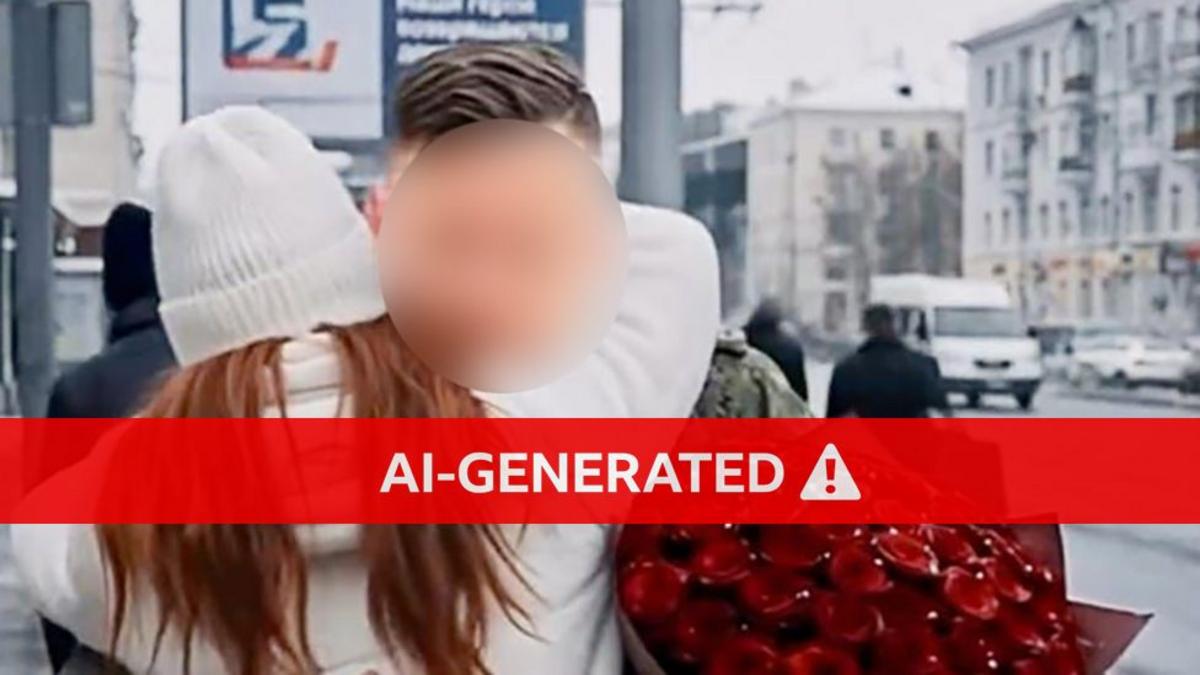
- Katya Jin, a blogger with 10 million TikTok followers, posted a viral 15-second AI clip depicting her and her missing husband reuniting on a Moscow street, then sold similar 'resurrection' videos to dozens of families before removing her content after the BBC inquired.
- Anna Korableva from Kamensk-Uralsky launched a 'Farewell video' project in May 2025, telling the BBC she 'cried almost every day' in the early months; most of her requests come from relatives of soldiers killed in Ukraine since the 2022 invasion.
- Ulyana Lebed, another AI creator married to a serviceman, told the BBC she earns 150,000–200,000 roubles (£1,500–£2,000) per month from the videos — roughly double the average Russian wage — while clips sell publicly for 200–10,000 roubles (£2–£100).
- The BBC and Mediazona have verified the deaths of at least 225,000 Russian soldiers in the war, a toll the Russian government does not officially disclose, and the source notes authorities 'generally try not to draw attention to' battlefield casualties.
- Katarzyna Nowaczyk-Basińska of Cambridge's Leverhulme Centre for the Future of Intelligence called the practice 'extremely complex and ethically difficult to assess,' warning the long-term psychological impact on grieving relatives is unknown.
- Ukrainian commenters responding online have expressed outrage at the clips, with one writing: 'You should be ashamed to show your heroes who went to earn blood money by killing our children.'
Why it matters: The videos almost universally frame dead Russian soldiers as heroes defending their country while omitting Ukrainian deaths entirely, effectively functioning as unofficial patriotic propaganda for a war whose casualty toll the Kremlin refuses to publish. At the same time, the practice is commercialized grief: some buyers told the BBC the AI clips did not ease their pain, while top creators earn roughly double the average Russian monthly wage. The ethical stakes are sharpened by the source's own caveat that humanity is 'in the midst of a technological and cultural experiment' with no data on long-term effects.
Ask SkimNews