Iran Vows Retaliation Against Nations Backing US Sanctions — SkimNews
Get the Geopolitics newsletter
Daily geopolitics — wars, elections, sanctions, the diplomatic moves that move markets. Free.
- Iran's security chief Mohsen Rezaei threatened "earthquake-like" retaliation against countries joining the US sanctions campaign, warning that if Gulf neighbors cooperate, "not a drop of oil will leave the Persian Gulf and the strait of Hormuz"; shipping through the strait remained severely disrupted over the weekend
- The UAE — Iran's single biggest Middle East trading partner in the Middle East — announced it was ending all trade with Iran ahead of the US announcement; Tehran believes the move was coordinated with Washington
- Iran's central bank governor Abdolnaser Hemmati admitted the country's crude exports had "virtually stopped" due to the US naval blockade; the rial fell 4.5% to 1.992 million per dollar on the unregulated market since Trump announced a "crushing economic operation"
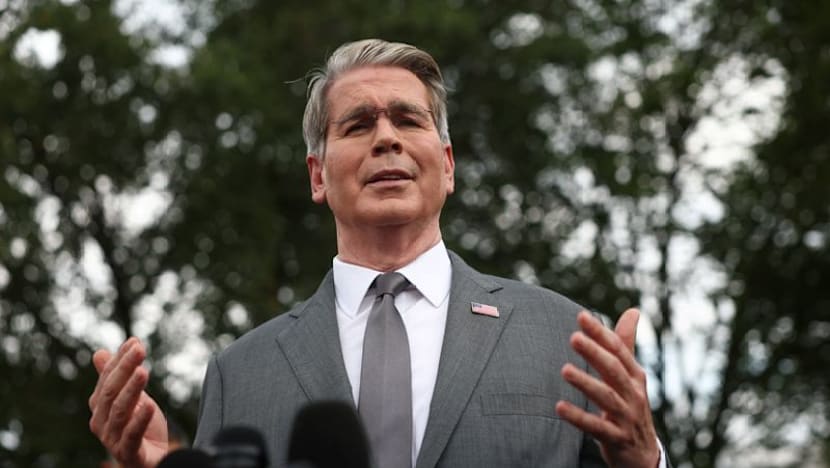
- Treasury Secretary Scott Bessent declared "Either the countries are with us or against us" and "we will destroy the economy of this regime," writing in the FT that "total financial isolation can obviate the need for American force" while announcing secondary sanctions on any entity trading with Iran
- China's foreign ministry spokesperson Lin Jian said Beijing opposes unilateral sanctions lacking basis in international law, echoing May's directive to Chinese firms to ignore US warnings on Iranian oil imports via a statute designed to render US sanctions ineffective in Chinese jurisdictions
- Iran's foreign minister Abbas Araghchi dismissed the expected sanctions as a sign of US desperation and a return to "the same old plans," while University of Tehran professor Hassan Ahmadian called the announcement "a public admission of a major step backward" after military failure
- Pakistan's army chief Field Marshal Syed Asim Munir flew to Tehran on Monday to revive stalled talks on a June memorandum of understanding on Hormuz shipping, unimplemented due to a dispute over whether it granted Iran interim control over the strait
Why it matters: Iran's crude exports have already effectively halted due to a US naval blockade, making Bessent's 'greatest financial offensive' announcement an escalation of existing pressure rather than a genuinely new economic weapon. Iran has survived US maximum pressure for over 20 years, and Tehran is now signaling it would prefer military escalation over further economic strangulation — with the ultimate test resting on whether China and Russia comply or defy.
Ask SkimNews