Japan's missile tests expose kill chain, stockpile gaps — SkimNews

Get the Geopolitics newsletter
Daily geopolitics — wars, elections, sanctions, the diplomatic moves that move markets. Free.
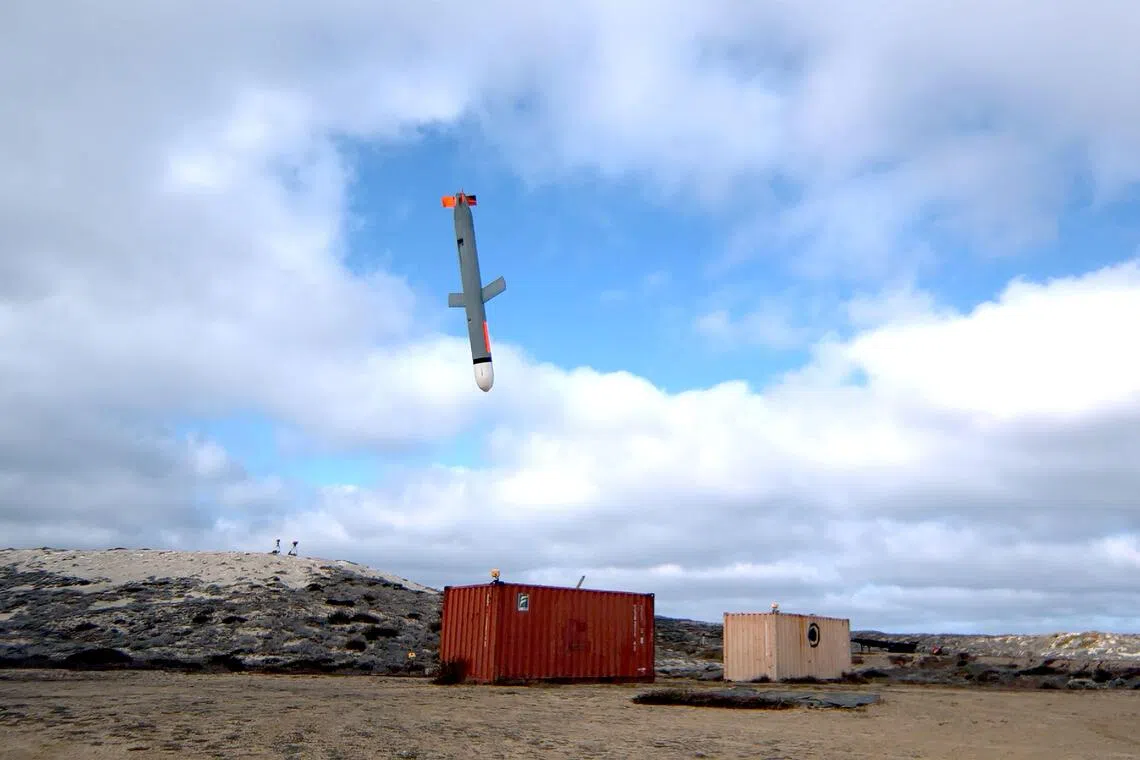
- Japan's Maritime Self-Defense Force launched a Tomahawk land-attack cruise missile from the Kongo-class destroyer JS Chokai in late July with US Navy support, making Japan the third foreign country to fire the weapon from a surface warship.
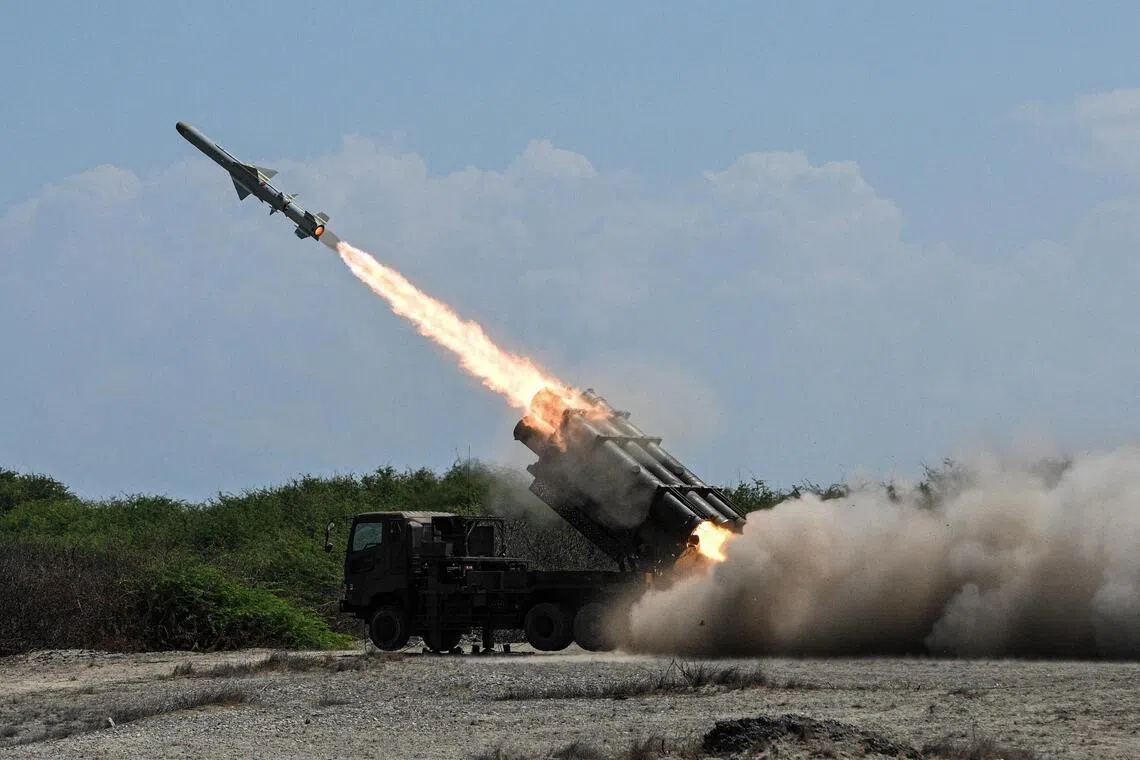
- The Japan Air Self-Defense Force began flight testing an F-2 carrying the air-launched Upgraded Type-12 at Gifu Air Base as part of a broader push to field low-observable, networked systems with ranges of up to 1,600 kilometers.
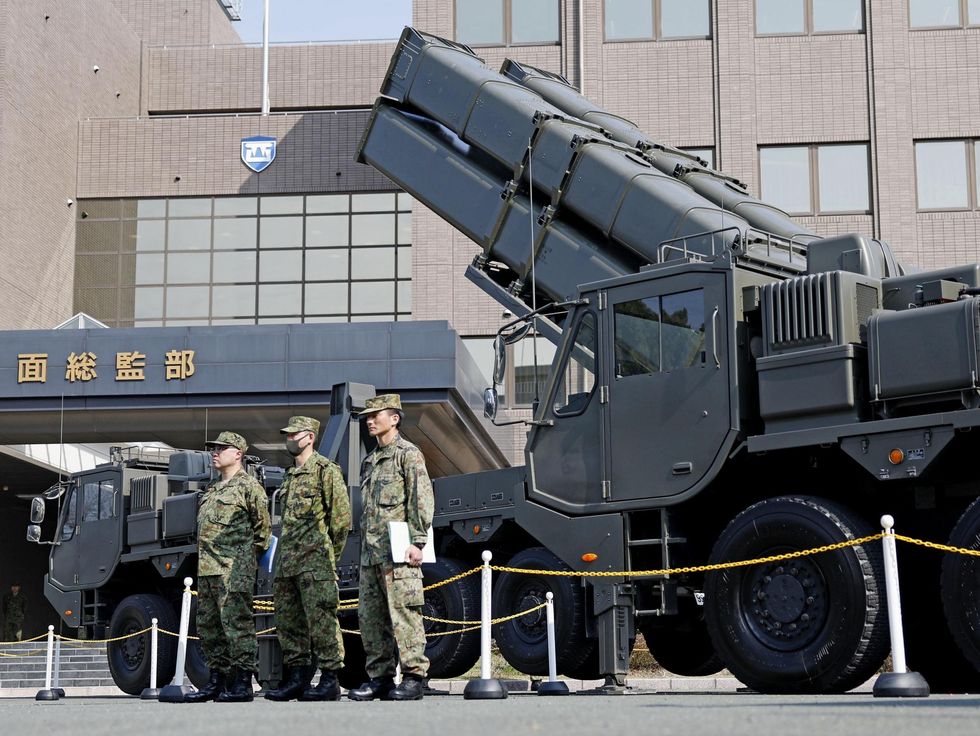
- Japan is procuring 400 Tomahawks as an interim capability while targeting indigenous standoff missiles for fiscal year 2027; an IISS report places the upgraded Type-12's range at at least 900 kilometers, compared with the existing ground-launched Type-12's 200 km and the ASM-2's 180 km.
- A December 2025 International Crisis Group report found Japan still lacks an independent kill chain and depends on US capabilities to find, track, strike and assess damage — a dependence analysts warn leaves the new missiles vulnerable to alliance friction in a Taiwan contingency.
- A June 2026 Hudson Institute analysis cited Tomahawk lead times of up to 47 months and said Japan's munitions industry lacks scale and relies on fragile supply chains, while Tokyo has prioritized F-35s, upgraded F-15s and Aegis vessels over sufficient missile and interceptor stocks.
- Defense Minister Shinjiro Koizumi's declaration that Japan is "thinking about nuclear weapons" and Prime Minister Sanae Takaichi's claim that Taiwan threatens Japanese sovereignty are likely to push China to adjust its nuclear doctrine, raising the risk of Japan-China strategic instability.
- A December 2025 Japanese Studies analysis by Charlotte Boring and Wrenn Yennie Lindgren found the domestic debate has shifted from whether Japan should hold long-range missiles to whether their use would remain defensive or become pre-emptive, with Komeito and opposition parties disputing where the constitutional threshold lies.
Why it matters: Japan's first ship-launched Tomahawk and upgraded Type-12 tests give it counterstrike reach of up to 1,600 km, but a CSIS report says the weapons remain operationally disconnected because command structures still lack clarity on delegated authority, intelligence sharing and real-time targeting with US Indo-Pacific Command. Combined with Koizumi's nuclear "thinking" and Takaichi's Taiwan remarks, the move raises the chance China recalibrates its own nuclear posture against Tokyo.
Ask SkimNews