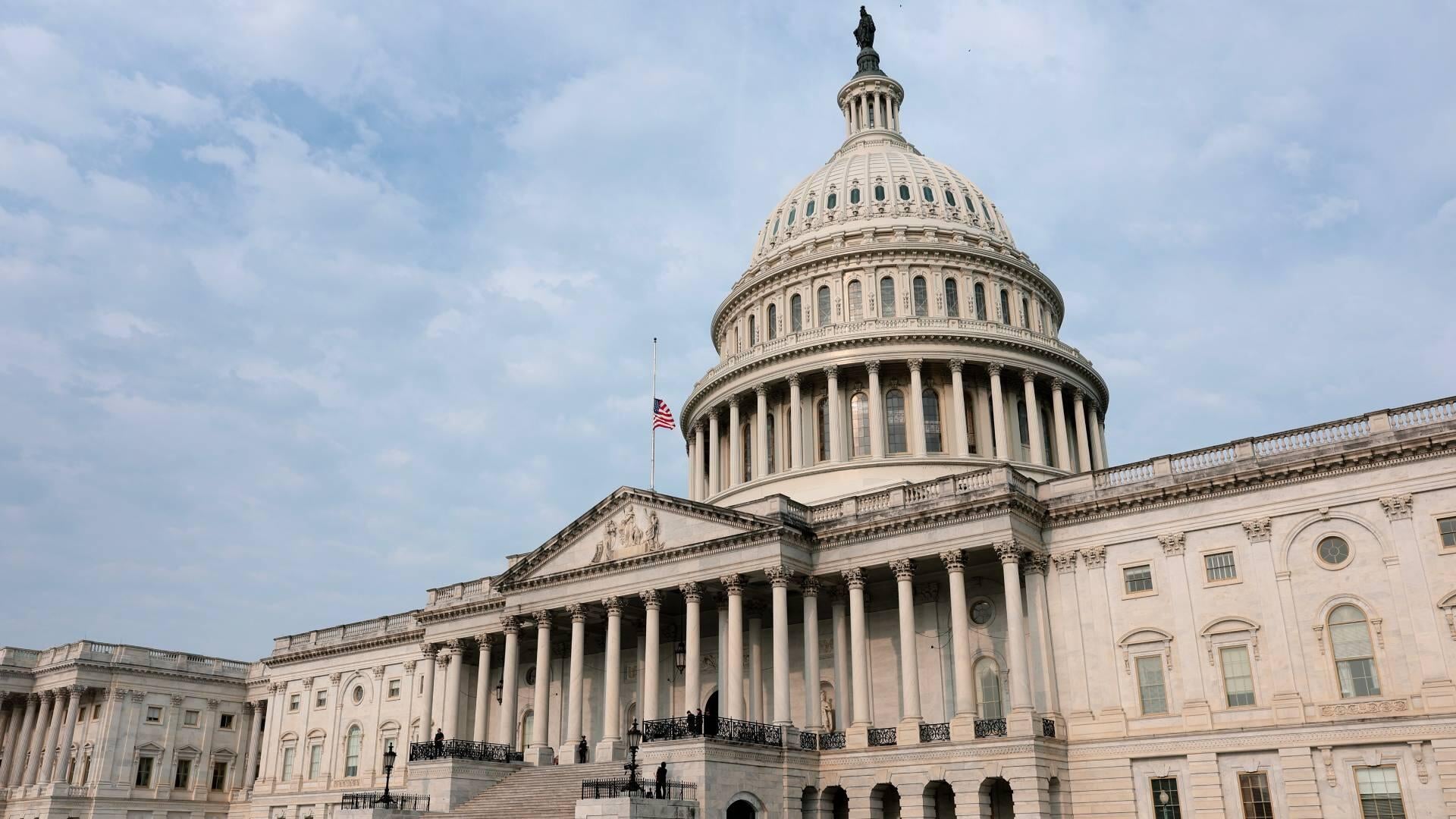
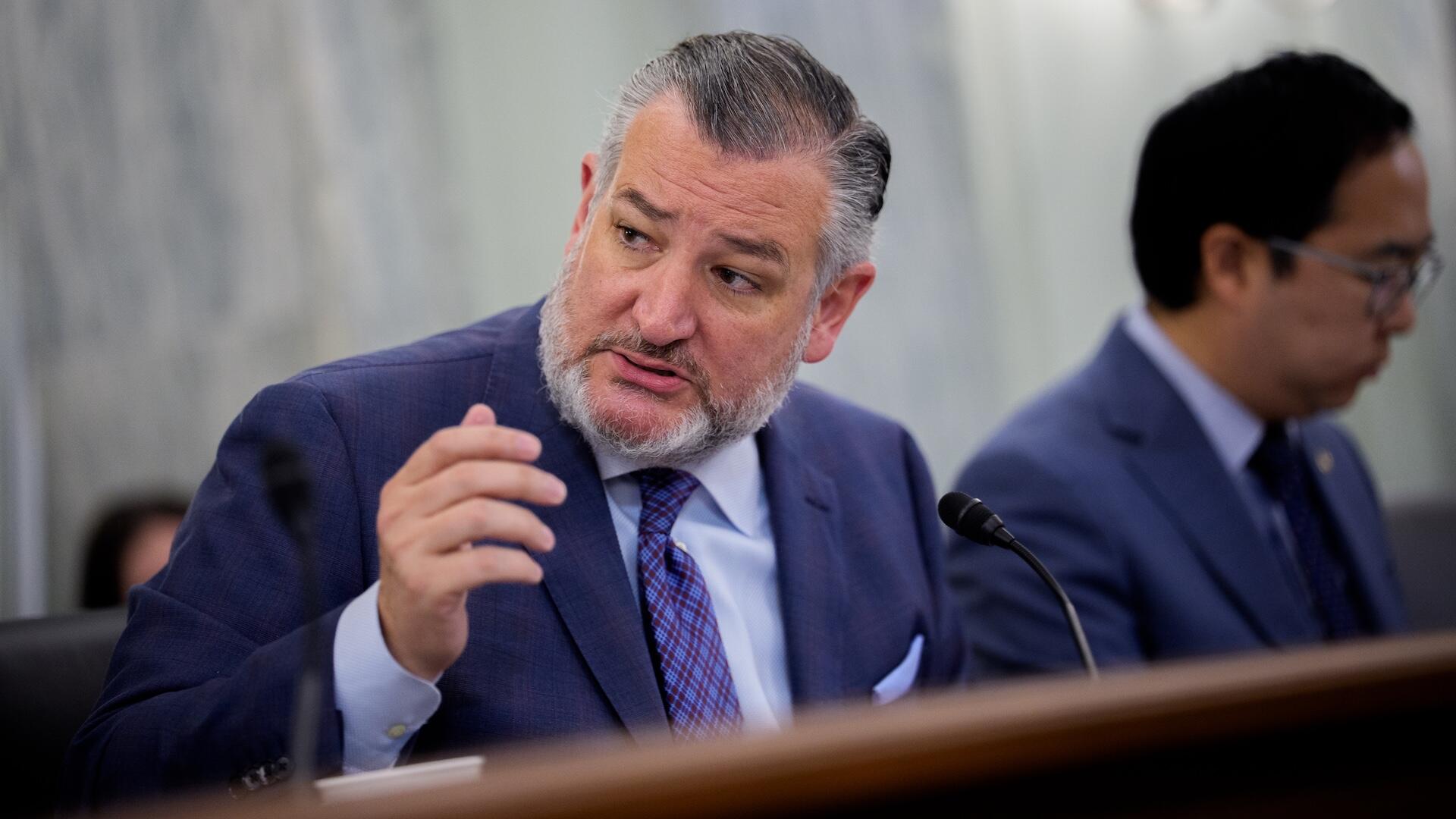
Cruz targets Senate vote on college sports bill this week
Get the Sports newsletter
Daily sports — scores, transfers, the storylines from the leagues you actually follow. Free.
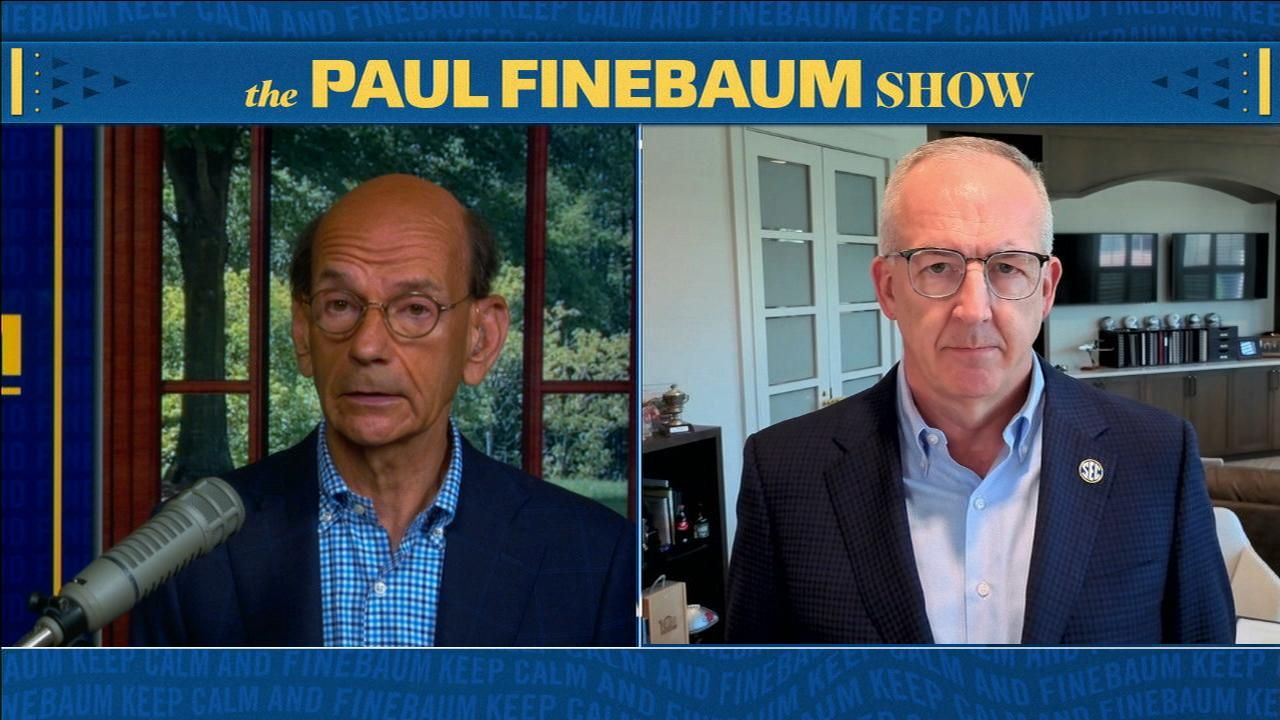
- Ted Cruz predicted the Protect College Sports Act will pass the Senate this week, citing a Friday breakthrough when the Big Ten and SEC endorsed the bill after weeks of stalled negotiations over associated entities and the revenue-share cap.
- The bill's text had not been finalized as of late Monday, per co-author Sen. Maria Cantwell (D-Wash.), and cloture could drag on for several days even if Senate Majority Leader John Thune filed it Monday evening, a Republican Commerce Committee aide said.
- The Senate's final pre-recess week is congested with a spending bill, budget resolution, and three to four competing items; the chamber is tentatively scheduled to recess Aug. 7, a date that could extend into the weekend.
- Cruz envisions Trump signing the bill on ESPN's "College GameDay" this fall; Trump told reporters Monday that "the NIL, or whatever it is, is very close to getting solved."
- The final deal raises the revenue-share cap to $48.8 million — $21.3 million from the House settlement, a $22.5 million retention pool, and $5 million for non-revenue sports — and provides a limited antitrust exemption for the NCAA to enforce payment caps and eligibility/transfer rules.
- Co-author Sen. Eric Schmitt said the bill could clear 80-plus Senate votes thanks to the Big Ten/SEC endorsement, though 60 votes are still required to overcome a filibuster and the House has yet to act.
- Cruz credited weekend negotiations involving Big Ten and SEC commissioners, university presidents, White House adviser Randy Levine, and Cody Campbell, who leads the President's commission on college sports, with forcing the breakthrough.
Why it matters: If the bill misses the Aug. 7 recess window, the path to enactment narrows sharply because lawmakers will pivot to the federal budget and mid-term campaigning — leaving the NCAA and its 360-plus member schools without the antitrust clarity and $48.8 million revenue-share framework that a Big Ten/SEC-backed coalition says is the only viable fix to the NIL crisis.