Managed, bidirectional EV charging advances with utility, automaker support — SkimNews
Get the Energy newsletter
Daily energy & climate — solar, EVs, oil, the policy fights and tech bets shaping the transition. Free.
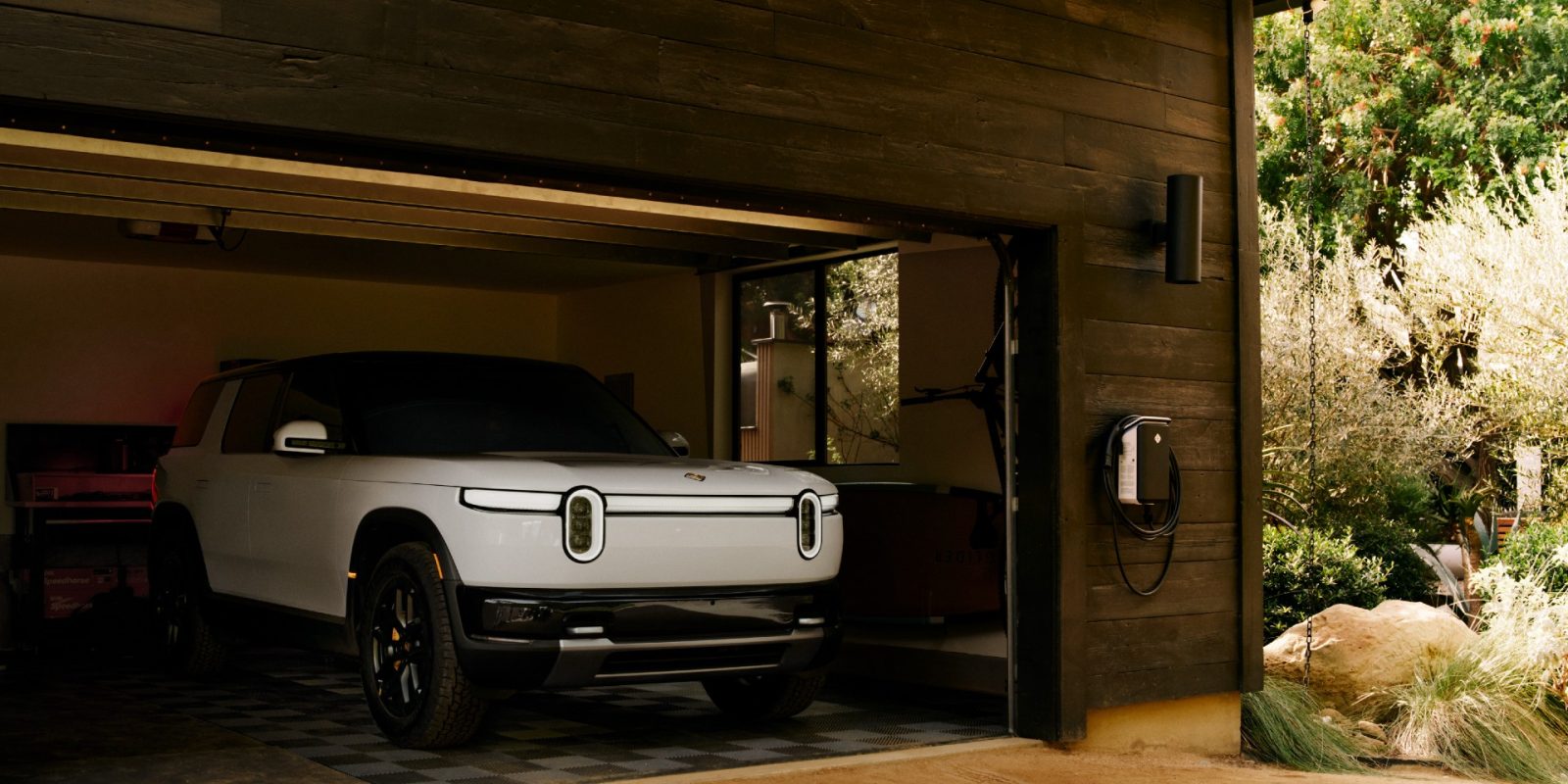
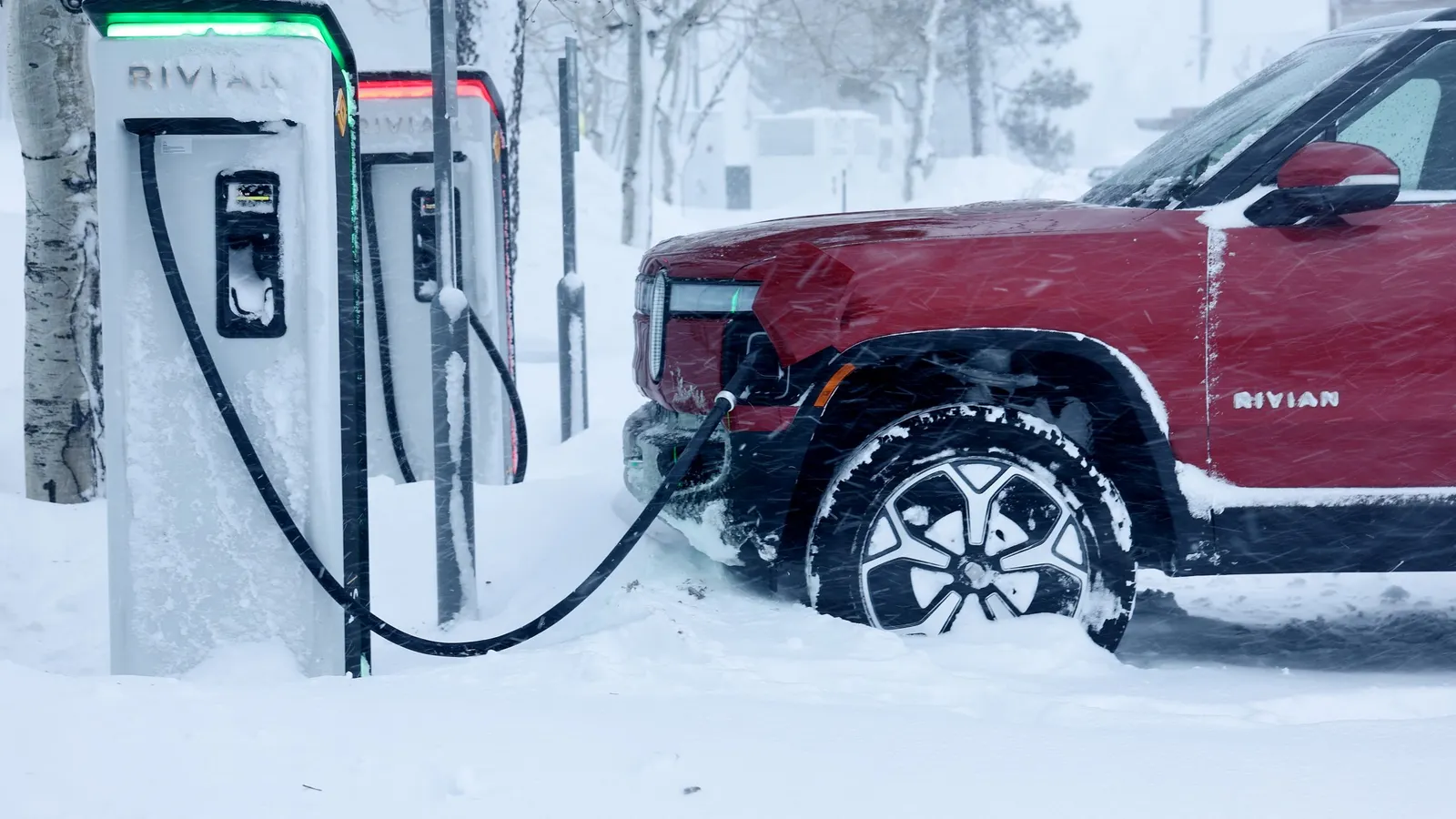
- Rivian joined ChargeScape, becoming at least the seventh automaker on the vehicle-grid integration platform launched in 2023 and backed by BMW, Ford, Honda, and Nissan, with Rivian drivers now eligible to opt into bidirectional charging programs their utilities offer.
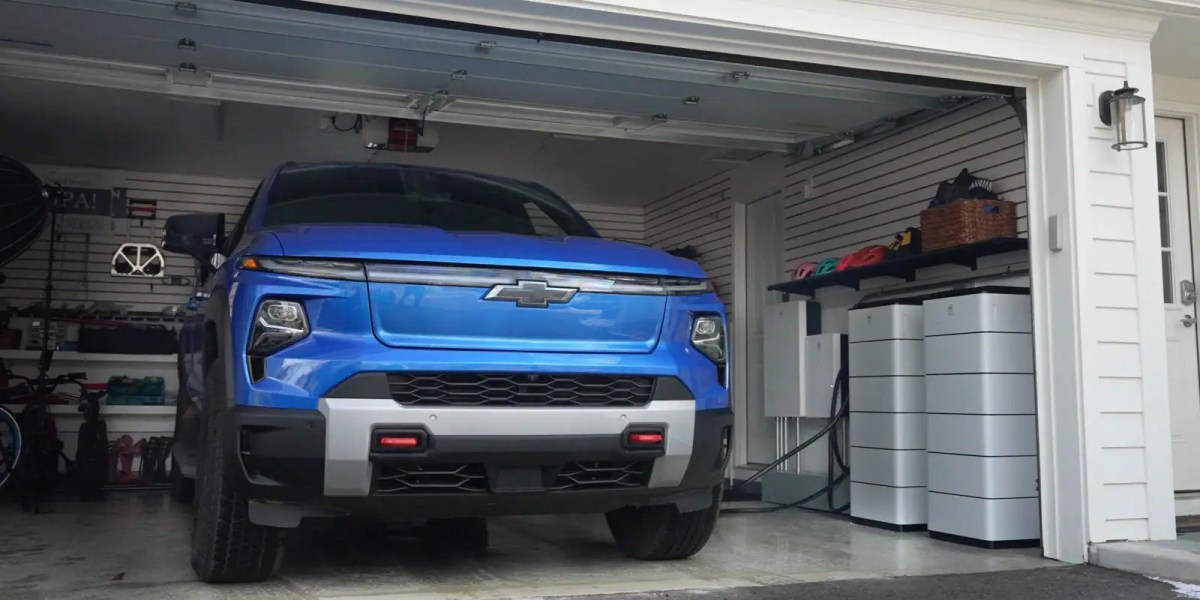
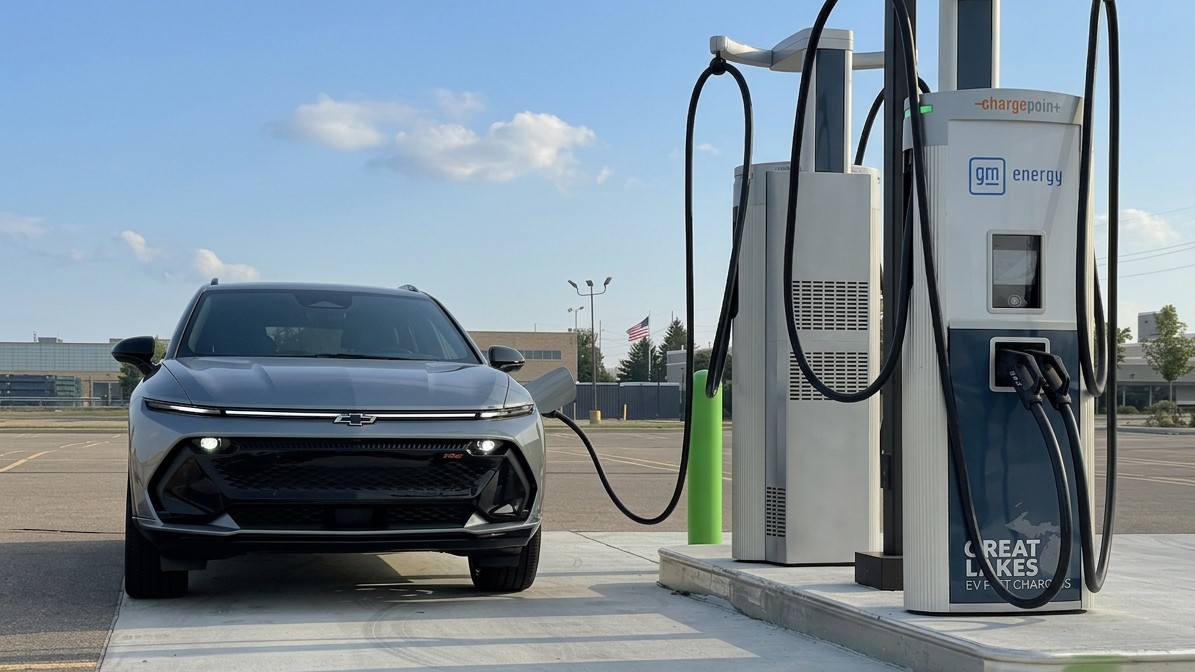
- General Motors announced a firmware update giving existing GM Energy vehicle-to-home systems full vehicle-to-grid capability with no hardware modification required, plus a V2G partnership with DTE Energy and additional plans with Pacific Gas & Electric.
- GM laid out a "2030 vision" for 130,000 of its vehicles on Northern California roads, with about 40% participating in "grid-balancing protocols," framing EVs as a scalable distributed energy resource for PG&E's territory.
- ChargeScape supports about 70% of light-duty EVs on U.S. roads and is running a small pilot with Puget Sound Energy in Washington state testing Ford and Kia vehicles as demand response assets during peak demand periods.
- GM Energy VP Wade Sheffer called on utility leaders, regulators, and automakers to streamline bidirectional charging bottlenecks — engineering reviews, utility interconnection processes, and time-of-use tariffs — so a customer can buy a bidirectional charger, plug it in, and immediately participate in the local energy marketplace.
- With 7 million+ EVs on U.S. roads and significant fleet growth expected, utilities in high-penetration states like Washington increasingly weigh the risk of unmanaged charging on distribution-grid assets against EVs' potential as a flexible load resource for all ratepayers.
Why it matters: ChargeScape now covers 70% of U.S. light-duty EVs, and GM's no-hardware firmware flip means existing EVs can become grid assets overnight — collapsing the hardware and software friction that kept most EV owners out of utility programs. Utilities like DTE and PG&E gain a scalable distributed energy resource, and ChargeScape CEO Vellone says participating Rivian drivers in Washington can already save a few hundred dollars annually just by plugging in.
Ask SkimNews