GM thinks EVs can help offset AI’s energy suck with vehicle-to-grid tech — SkimNews

Get the Energy newsletter
Daily energy & climate — solar, EVs, oil, the policy fights and tech bets shaping the transition. Free.
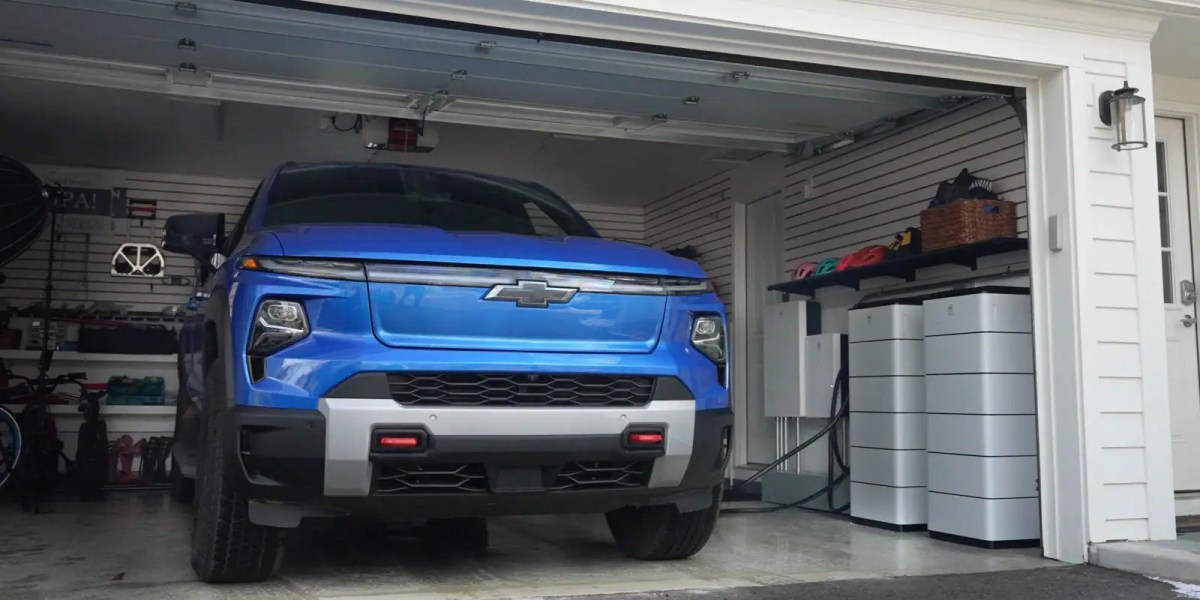
- General Motors will release a firmware update that enables vehicle‑to‑grid (V2G) capability for its current vehicle‑to‑home customers, allowing EVs to send energy back to the grid.
- General Motors reports more than 250,000 bidirectional‑capable Chevy, Cadillac, and GMC EVs on U.S. roads, with combined battery capacity enough to power 120,000 homes for a week.
- General Motors is partnering with PG&E in Northern California to develop a fleet of 52,000 EVs for grid‑balancing protocols, slated to be operational by 2030.
- General Motors is working with DTE Energy in Michigan to stress‑test bidirectional charging using 30 employee homes as real‑world test cases.
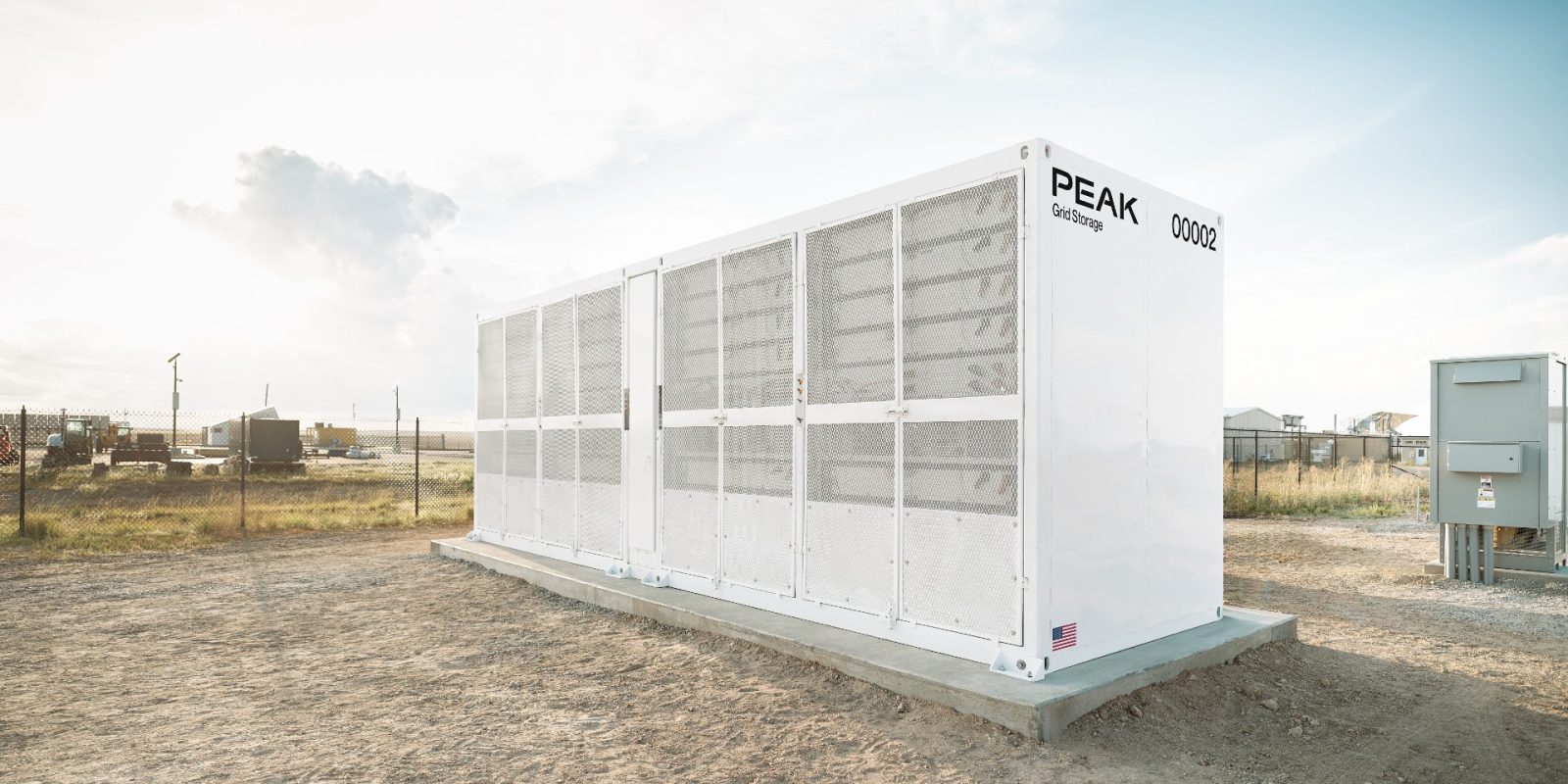
- General Motors is collaborating with Peak Energy to develop sodium‑ion batteries for commercial‑scale energy storage, citing lower cost, safety, and cold‑weather performance advantages.
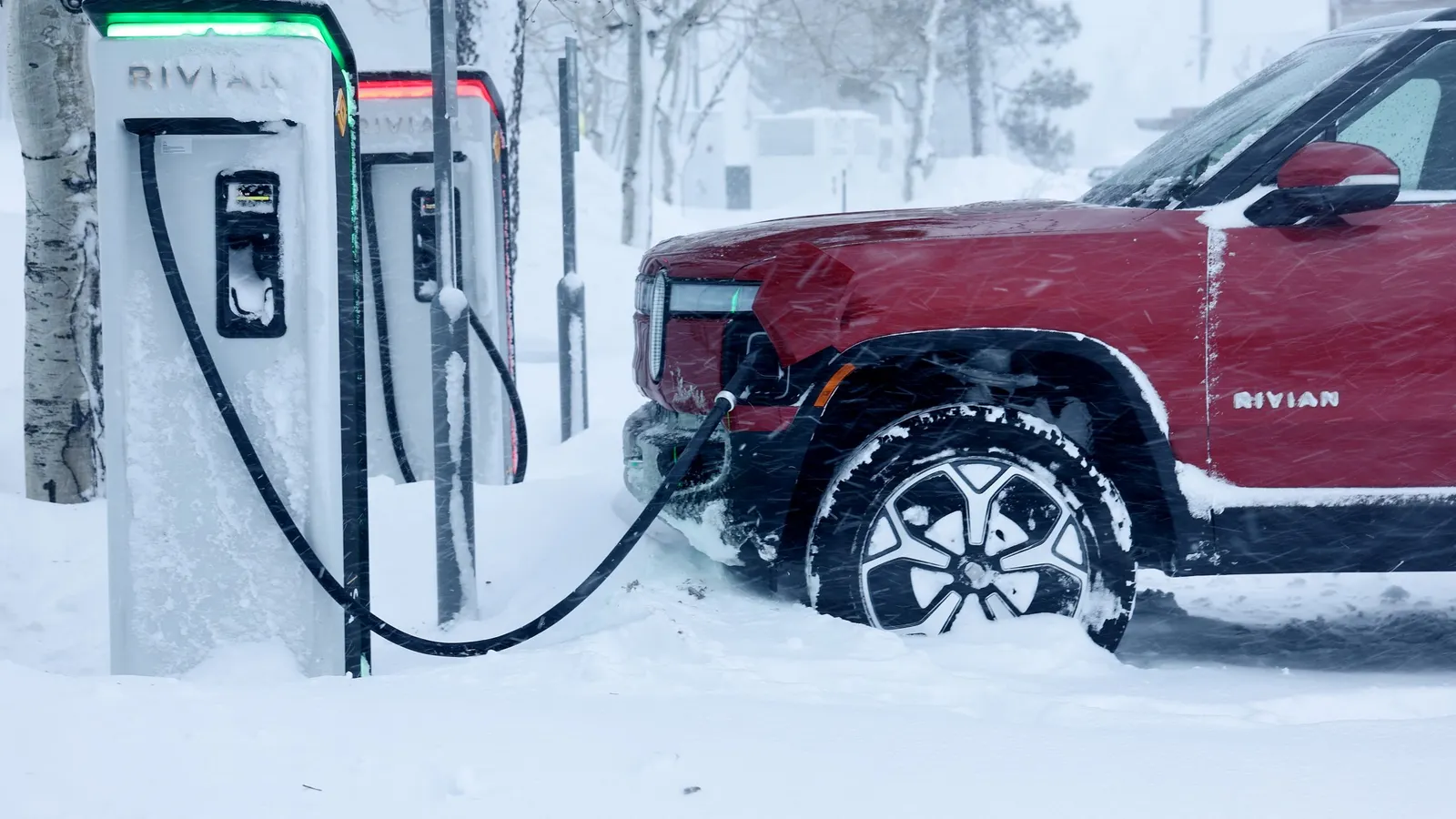
- General Motors introduced Energy Pass, a mobile‑app feature that lets EV owners locate, start, and pay for charging across multiple third‑party networks, including Tesla, Electrify America, and IONNA.
- Wade Sheffer issued an open letter urging regulators to formalize V2G infrastructure and simplify enrollment for customers.
Why it matters: Utilities gain a flexible, distributed storage resource that can shave peak demand from AI data centers, while EV owners could earn revenue from V2G participation; GM positions itself in the multibillion‑dollar grid‑storage market as lithium‑ion costs rise. This also pressures regulators to formalize V2G standards, potentially accelerating broader adoption.
Ask SkimNews