GM is betting on battery cells that don’t use lithium — SkimNews
Get the Energy newsletter
Daily energy & climate — solar, EVs, oil, the policy fights and tech bets shaping the transition. Free.
- GM partnered with Peak Energy to develop next-generation sodium-ion battery cells for grid-scale energy storage (not EVs), with GM Ventures making a strategic investment and GM retaining exclusive manufacturing rights while developing the cells in its Michigan battery labs.
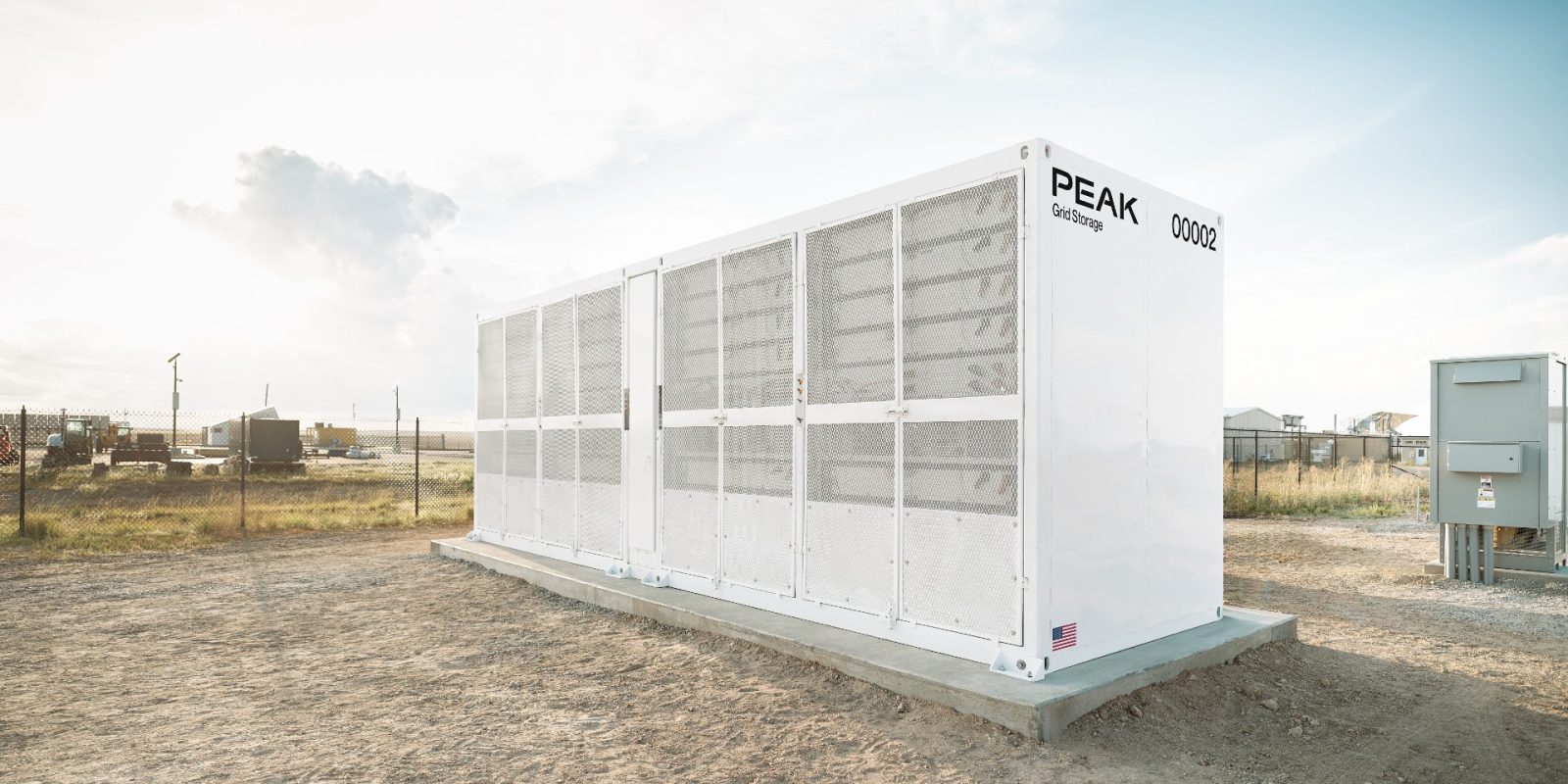
- Peak Energy claims its passively cooled sodium-ion platform cuts energy storage costs by 20% versus conventional lithium-iron phosphate systems, delivers more than 99% uptime, and could reduce annual US battery-storage energy waste by up to 2 terawatt-hours.
- Sodium-ion batteries use more abundant, lower-cost materials than lithium-based batteries, but their energy density is too low for EVs, restricting them to stationary storage applications.
- Kurt Kelty, GM's VP of battery and sustainability, argued "the application should determine the battery" and called sodium-ion the right solution for grid-scale stationary storage.
- The grid-scale energy storage market is expanding rapidly as utilities add battery storage to support renewables, rising electricity demand, and the buildout of data centers and AI infrastructure.
Why it matters: Peak Energy's passively cooled sodium-ion design claims a 20% cost edge over the LFP systems that dominate stationary storage, and pairing it with GM's US manufacturing muscle targets a market growing fast on data center and AI buildout. If the cost math holds, utilities racing to add storage capacity get a domestically produced alternative that eliminates active cooling infrastructure entirely.
Ask SkimNews