GM Challenges Tesla's Energy Storage Lead With — SkimNews

Get the Energy newsletter
Daily energy & climate — solar, EVs, oil, the policy fights and tech bets shaping the transition. Free.
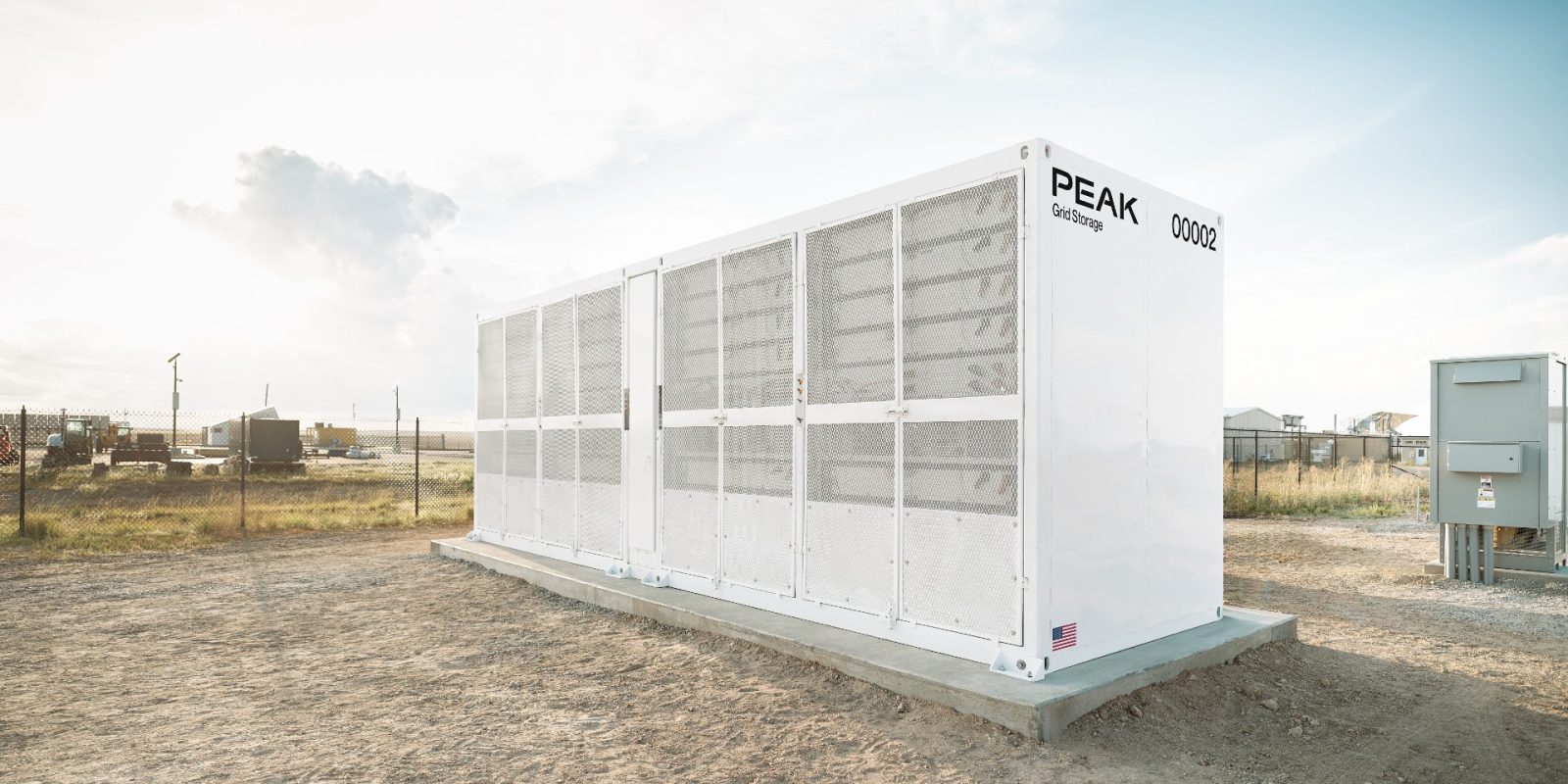
- GM rolled out a new sodium-ion battery chemistry for the stationary energy storage market on Tuesday, with its first product not expected until later this decade.
- Tesla dominated the 57 GWh installed globally last year with an 82% share, and its energy storage segment runs at roughly 30% gross profit — about double its EV margins and triple typical automaker margins.
- The Solar Energy Industries Association expects U.S. energy storage installations to exceed 110 GWh annually by 2030, roughly double current levels, driven by data center expansion (demand projected to nearly triple) and electrification of transportation, manufacturing, and HVAC.
- GM is deliberately not repurposing its lithium-ion gigafactory output for stationary storage the way Tesla and Ford have, so it won't be caught short if EV demand rebounds.
- GM is also developing lithium-manganese-rich (LMR) chemistry set to debut in 2028, which the company says could cut new EV costs by about 10% and bring EVs near price parity with fossil fuel vehicles.
- GM chose sodium-ion partly because China has yet to corner the materials supply chain, unlike cobalt and other chemistries where Chinese firms process nearly all global supply.
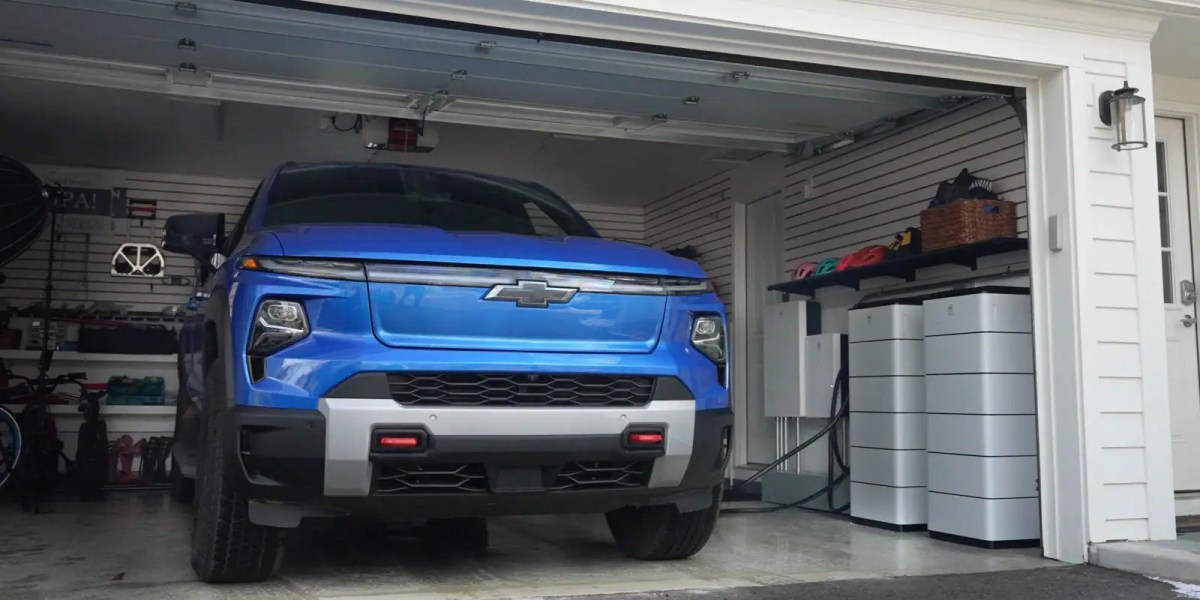
- Startups are circling too: Base Power raised a $1 billion Series C in October to expand beyond Texas, and Lunar Energy raised $232 million for residential batteries.
Why it matters: GM is trading speed for optionality — passing on the easy money Tesla and Ford are making repackaging lithium-ion cells, betting instead that a new chemistry, protected lithium-ion capacity, and a non-Chinese supply chain will pay off over the long run. The risk is concrete: if the AI/data-center-driven storage wave peaks before GM's sodium-ion product ships later this decade, the automaker misses the window while Tesla — already at 82% market share — locks in customers and 30% gross margins.
Ask SkimNews