Modi-Putin Summit Tests India's 'America Plus' Strategy — SkimNews
Get the Geopolitics newsletter
Daily geopolitics — wars, elections, sanctions, the diplomatic moves that move markets. Free.
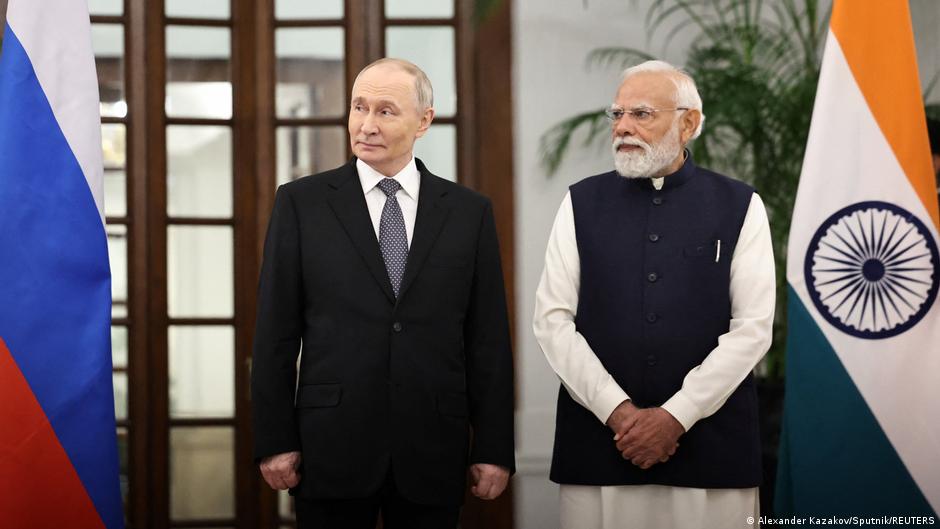
- Modi and Putin are set to meet Monday in Bishkek, Kyrgyzstan on the sidelines of the SCO summit, with energy trade, payment mechanisms, defense cooperation, and their assessments of the Ukraine and Iran conflicts on the agenda.
- Russian oil has become one of India's biggest crude suppliers since 2022, replacing a previously small share through discounted purchases and becoming the most contentious element of India's relationship with the US.
- India's defense reliance on Russia is declining, with New Delhi reluctant to commit to Moscow's fifth-generation fighter program and seeking hardware that fits into indigenous production plans, per JNU associate professor Aravind Yelery.
- Russia's growing dependence on China has eroded Moscow's ability to counterweight Beijing, and strategic affairs expert C Raja Mohan says Russia 'is no longer in a position to help India balance China.'
- India is pursuing what Mohan calls an 'America plus' strategy, expanding defense and technology cooperation with Washington while maintaining ties with Russia and diversifying energy sources to include both Russia and the US.
- Putin wants assurance from Modi that India will not abandon Russia during what JNU professor Rajan Kumar described as 'the worst possible crisis after the 1990s,' with the bigger test coming at the BRICS summit in Delhi in September.
Why it matters: India's energy security calculus has shifted sharply: US-Israeli war on Iran and Strait of Hormuz disruption pushed up Gulf crude prices, accelerating India's pivot toward discounted Russian oil and triggering fresh US pressure on New Delhi to reduce those purchases. Meanwhile, New Delhi is rewriting the terms of defense procurement — from buying finished Russian systems to demanding co-production — while hedging strategically toward Washington via an 'America plus' framework that keeps Moscow close but no longer central.
Ask SkimNews


