AMD Ryzen AI Halo: $3,999 Mini PC Challenges Nvidia DGX Spark
Get the Tech newsletter
Daily tech — startups, AI labs, chips, the launches that shape the next decade. Free.
- AMD released the Ryzen AI Halo Developer Desktop at $3,999.99 (sold via Micro Center), powered by a Ryzen AI Max+ 395 with 16 Zen 5 cores and 40 RDNA 3.5 graphics compute units, rated for 126 trillion AI operations per second.
- AMD brands these systems as "Agent Computers" and ships the Halo with Windows 11 Pro, with a Linux option at the identical $3,999.99 price point — directly taking on Nvidia's DGX Spark.
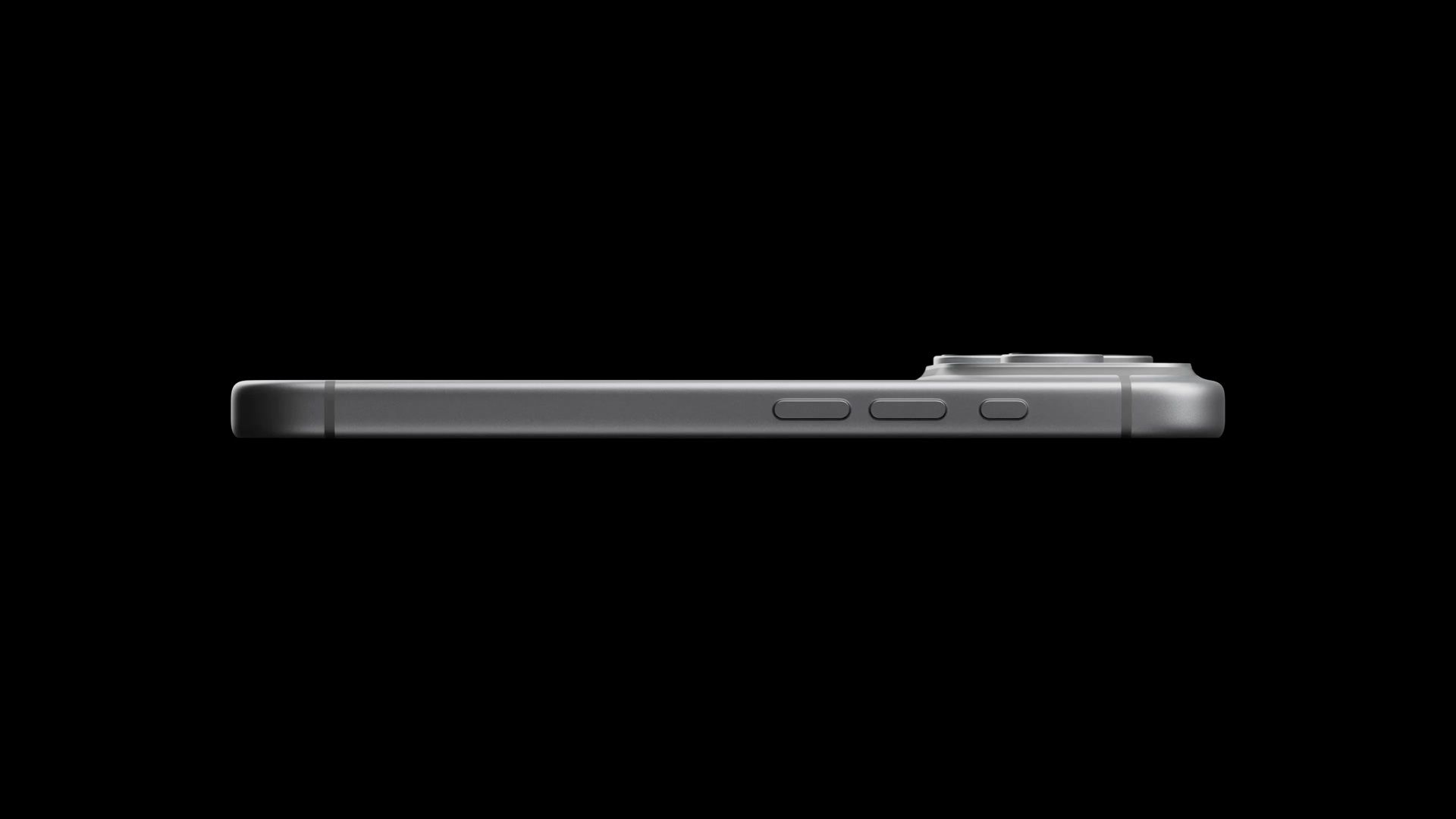
- The Ryzen AI Halo measures 5.9 inches square by 1.8 inches thick and weighs 2.7 pounds, featuring a pearlescent cobalt chassis and an LED status bar that shifts color (white on, blue standby, red for DRAM failure, slow-blinking blue for fan issues).
- AMD's airflow design requires horizontal placement on a hard surface — side or vertical mounting would block intake vents, making mounting orientation a hard constraint rather than a suggestion.
- Rear I/O on the Halo consists of a 10Gbps Ethernet jack, HDMI 2.1, and four USB-C ports (one power, one DisplayPort, two USB4) with zero USB Type-A, meaning users need a USB-C peripheral just to reach the OS and turn on Bluetooth.
- Unlike Nvidia's DGX Spark, which uses a proprietary NVLink ConnectX-7 SmartNIC cable to pair systems, AMD documents clustering multiple Halo boxes via a standard 10Gbps RJ-45 Ethernet switch to pool unified memory and processing power for larger models.
Why it matters: AMD enters Nvidia's local-AI desktop lane at $3,999.99 with a Windows-native box, undercutting the DGX Spark's proprietary NVLink clustering with commodity 10Gbps Ethernet — giving AI developers a second hardware ecosystem and giving Nvidia its first credible rival in the "personal supercomputer" category AMD dubs "Agent Computers."